

A garage door that refuses to close can quickly turn into a serious concern. Beyond the inconvenience, it affects home security, disrupts daily routines and can even pose safety risks. In a city like Anaheim, where garages are used frequently for both storage and access, a malfunctioning garage door opener, including commercial openers used in larger or multi-use properties, becomes a problem that needs immediate attention.
Many homeowners experience this issue at some point, especially with well-used systems like Chamberlain garage door openers. The good news is that most of the causes behind a door that stops closing are not random. They are often linked to specific components, environmental conditions, or gradual wear and tear.
Understanding these causes is essential. It allows homeowners to identify early warning signs, perform basic checks and determine when professional help is necessary. This guide explores the most common reasons your garage door stops closing, along with practical insights and prevention strategies tailored to Anaheim conditions.
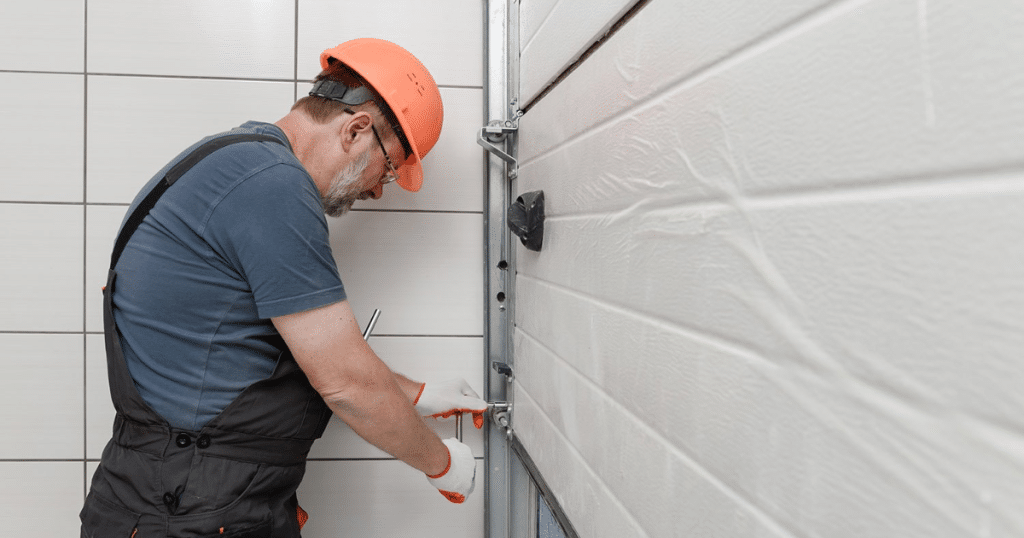
Misaligned Safety Sensors Are Blocking the Door
Why This Happens
Modern garage door openers rely heavily on safety sensors. These small devices are installed near the bottom of the tracks and create an invisible beam across the door opening. If the beam is interrupted or misaligned, the system automatically prevents the door from closing.
This feature is designed to prevent accidents, especially involving children, pets, or objects in the door’s path.
What to Check
- One or both sensor lights are blinking
- Sensors are not facing each other directly
- Dirt, dust, or cobwebs covering the lenses
- Loose mounting brackets
Even a slight shift in alignment can break the beam and stop the door.
Anaheim Insight
Dust accumulation is common in Anaheim garages, especially in areas exposed to outdoor airflow. Over time, this can interfere with sensor performance.
Prevention Tip
Clean the sensor lenses regularly and ensure nothing is stored near them. Keeping the area clear reduces the risk of accidental misalignment.
For a more detailed guide, check out “Chamberlain Garage Door Opener Won’t Close? Try These Checks.”
Objects Blocking the Door’s Path
Why This Happens
Garage door systems are programmed to detect resistance. If the door encounters any obstruction, it will stop and reverse to prevent damage or injury.
What to Check
- Tools, boxes, or storage bins near the door
- Small debris like leaves or dirt buildup
- Items leaning against the wall or tracks
Sometimes the obstruction is not obvious. Even small objects can trigger the safety mechanism.
Practical Tip
Keeping the garage floor clean and organized improves both safety and functionality. A clutter-free space reduces the chances of unexpected interruptions.
To learn more, read “What Causes Chamberlain Garage Door Opener to Reverse?”
Dirty, Bent, or Misaligned Tracks
Why This Happens
Tracks guide the movement of the garage door. If they become damaged or obstructed, the door cannot move smoothly, causing it to stop before closing.
What to Check
- Visible dents or bends in the metal tracks
- Accumulated dirt or grease buildup
- Unusual noises such as grinding or scraping
Anaheim Consideration
Garages exposed to outdoor elements tend to collect dust faster. Combined with daily use, this can lead to gradual track issues.
Prevention Tip
Regular visual inspections help catch minor problems before they escalate. Clean tracks and ensure they remain properly aligned.
For more insights, explore “Why Is Chamberlain Garage Door Opener Not Responding?”
Remote Control or Wall Switch Problems
Why This Happens
Sometimes the issue lies in the control system rather than the door itself. A malfunctioning remote or wall switch can interrupt communication with the opener.
What to Check
- Weak or dead remote batteries
- Unresponsive wall-mounted control panel
- Signal interference from nearby electronics
Expert Insight
Testing multiple control methods is a simple way to narrow down the source of the problem.
Prevention Tip
Replace batteries regularly and ensure the control panel remains in good condition.
Incorrect Limit Settings
Why This Happens
Garage door openers use limit settings to determine how far the door should travel. If these settings are incorrect, the door may stop too early or reverse before fully closing.
What to Check
- Door stops just above the ground
- Door reverses without a visible obstruction
Anaheim Insight
Power interruptions, which can occasionally occur during peak usage periods, may reset or affect these settings.
Prevention Tip
Avoid making adjustments without proper understanding. Incorrect settings can lead to repeated operational issues.
Worn or Damaged Rollers
Why This Happens
Rollers allow the garage door to move smoothly along the tracks. Over time, they can wear out, crack, or become misaligned.
What to Check
- Jerky or uneven movement
- Squeaking or grinding noises
- Visible wear or damage on rollers
Local Consideration
Frequent use in residential areas like Anaheim can accelerate roller wear.
Prevention Tip
Routine inspection and lubrication can extend the life of rollers and improve overall performance.
Failing Garage Door Springs
Why This Happens
Springs carry most of the door’s weight. When they weaken or break, the opener may struggle to close the door properly.
What to Check
- Door feels unusually heavy
- Door stops midway
- Loud snapping sound
Safety Warning
Spring systems are under high tension and can be dangerous if handled improperly.
Average Cost Insight
Spring-related repairs typically fall under moderate to higher investment depending on the type of spring system.
Damaged or Loose Cables
Why This Happens
Cables work with the springs to control the door’s movement. If they become frayed or loose, the door may not close evenly.
What to Check
- Loose or hanging cables
- Door appears uneven
- Sudden jerking during operation
Expert Insight
Cable problems often develop gradually, making regular inspections important.
Motor or Opener Malfunction
Why This Happens
The motor is the core of the garage door opener. Over time, internal components can wear out, especially in frequently used systems.
What to Check
- Humming sound without movement
- Intermittent operation
- Door stops unexpectedly
Average Cost Insight
Motor repairs or replacements are typically a higher investment but necessary for long-term reliability.
Electrical or Wiring Issues
Why This Happens
Garage door systems rely on consistent power. Electrical problems can disrupt operation or prevent the door from closing entirely.
What to Check
- No response from the opener
- Flickering lights on the unit
- Issues after a power outage
Anaheim Consideration
Residential power fluctuations can occasionally affect electronic systems.
Weather Conditions and Environmental Factors
Why This Happens
Temperature changes can cause metal components to expand or contract, affecting how the door operates.
What to Check
- Door sticking during hot afternoons
- Slower performance in cooler conditions
Local Insight
Anaheim’s warm climate and seasonal changes can influence garage door performance over time.
Lack of Regular Maintenance
Why This Happens
Many garage door issues develop slowly due to lack of maintenance. Small problems can build up and lead to bigger failures.
What to Check
- Dry or squeaky moving parts
- Loose hardware
- Dirt accumulation
Prevention Tip
Routine maintenance is one of the most effective ways to keep the system running smoothly.
What to Check First: Quick Troubleshooting Checklist
Before assuming a major issue, these simple checks can help identify the cause:
- Clean and align safety sensors
- Remove any obstructions
- Test remote and wall controls
- Inspect tracks and rollers
- Look for visible damage
These steps often reveal the problem quickly and prevent unnecessary stress.
When to Call a Professional in Anaheim
Some problems require expert attention to ensure safety and proper repair, especially in properties that also rely on equipment like dock levelers for loading and operational efficiency.
Call a Professional If:
- Springs or cables appear damaged
- The door is off-track
- Electrical issues persist
- The opener repeatedly fails
- The door feels unsafe
Professional service ensures the system remains reliable and safe for daily use, including connected systems like dock levelers that depend on proper door operation.
Best Practices to Prevent Future Issues
Preventing garage door problems is always more effective than dealing with unexpected failures.
Smart Maintenance Habits
- Keep safety sensors clean and aligned
- Avoid placing objects near the door path
- Perform regular inspections
- Lubricate moving parts
- Test door balance periodically
- Inspect commercial garage door springs for signs of wear, corrosion, or tension issues
Anaheim-Specific Tip
Dust and frequent usage make consistent maintenance especially important in this area.

Stay Ahead of Garage Door Problems
A Chamberlain garage door opener that stops closing is often signaling a manageable issue. This applies not only to standard residential systems but also to commercial rolling doors, which rely on consistent performance for security and daily operations. Ignoring these signs can lead to more serious and costly problems over time.
By understanding the common causes, performing basic checks and maintaining the system regularly, homeowners and property managers can ensure reliable operation. In Anaheim, where environmental factors and daily usage play a role, staying proactive is essential.
A well-maintained garage door system improves convenience, enhances safety and supports long-term performance, making it a valuable part of any home or commercial space.
Trusted Garage Door Service You Can Rely On in Anaheim
For homeowners looking for dependable support, G & G Garage Door is known for delivering professional service and trusted expertise in handling a wide range of garage door issues. Whether dealing with recurring problems or seeking long-term maintenance, working with experienced technicians can make a significant difference. Contact us today or give us a call to keep your garage door operating safely and smoothly.
Frequently Asked Questions
[sp_easyaccordion id=”10193″]