




Getting a new garage door is one of the smartest home upgrades a Torrance homeowner can make. It improves curb appeal, adds security, and can even lower your energy bills. The same logic applies when a business owner is dealing with commercial door repair, where a malfunctioning door can affect daily operations and security just as much. But before you move forward, it helps to know what you are actually paying for.
Garage doors in California vary widely in cost depending on several factors, including material, door size, insulation, and installation complexity. Whether you are replacing an aging door or upgrading for a cleaner look, understanding the full picture helps you budget smarter and avoid surprises. This guide breaks down everything you need to know, from materials and labor to styles and smart upgrades.
What Drives the Cost of New Garage Doors in California
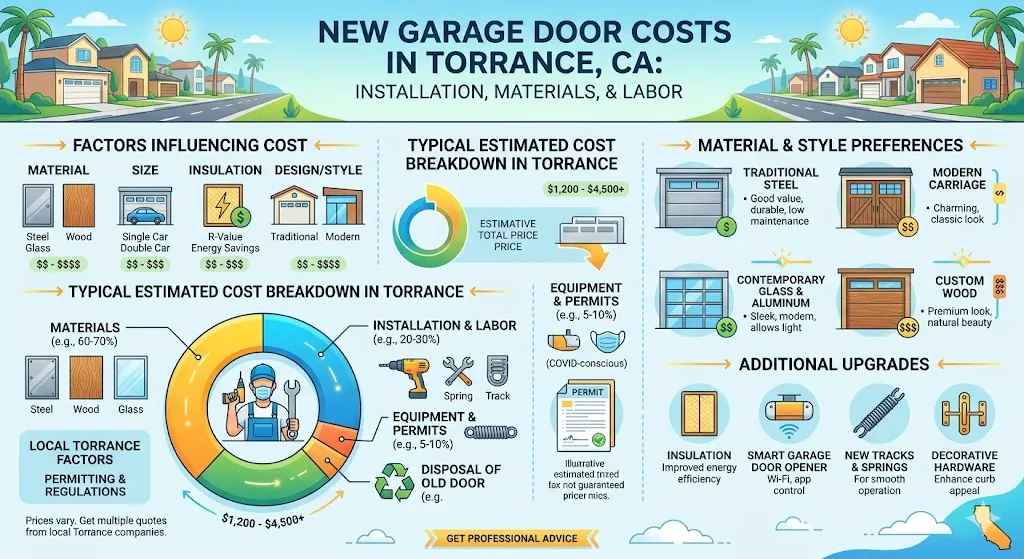
Before you request a quote, it is worth knowing what actually affects the final number. Garage doors in California are priced based on a mix of factors that go beyond just the door itself.
Here is what plays the biggest role:
- Door size: Larger openings require more material and take longer to install, which raises both the product and labor costs.
- Material type: Steel, wood, aluminum, and fiberglass all sit at different price points. More on this in the next section.
- Insulation rating: Insulated doors carry a higher upfront cost but can reduce energy loss, which matters in a garage used as a workspace or storage area.
- Design complexity: Custom finishes, raised panels, and decorative glass inserts add to the total.
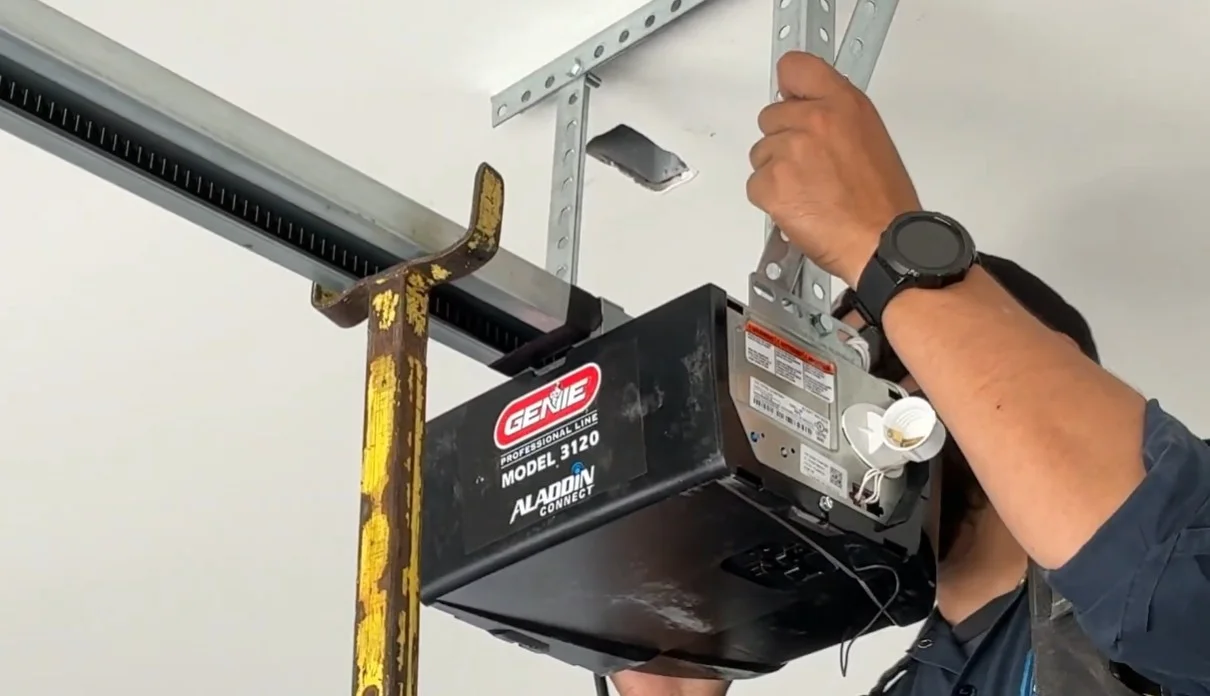
- New opener installation: If you are adding a new opener alongside your door, expect additional labor and parts costs.
- Permit requirements: The City of Torrance may require a building permit if structural changes are involved in the installation. Always verify with the Building and Safety Division before starting work.
If you are also weighing a wider project, reading Costs Revealed: How Much Does a 2-Car Garage Door Replacement Cost can help you compare what a two-car setup actually involves before committing to a budget.
Garage Door Materials: A Practical Breakdown for California Homeowners
The material you choose affects not just the price, but also how the door holds up over time in the Southern California climate. Each option has its strengths depending on your home, your budget, and how much maintenance you want to handle.
Steel. Steel is the most widely installed garage door material in the country, and for good reason. It is durable, low-maintenance, and available in dozens of styles. Steel doors pair well with insulation, which makes them a solid choice for Torrance homeowners who use their garage regularly.
Wood. Wood doors offer the most visual impact of any material. Redwood and cedar are popular in California because of their natural resistance to warping, though they still require periodic sealing and inspection. Wood is typically the most expensive option, but the curb appeal return is strong.
Aluminum. Aluminum is lightweight and naturally resistant to rust, which is a meaningful advantage in coastal communities. It tends to be less expensive than steel but is more prone to denting under impact.
Fiberglass. Fiberglass mimics the look of wood without the demanding upkeep. It handles moisture well and holds its finish over time, making it a practical option for homes close to the coast where humidity and sea air are factors.
Vinyl. Vinyl doors are built to resist dents and corrosion. They are a dependable, low-maintenance choice for active households and hold up well in high-use garages.
Labor Costs: What a Professional Installation Actually Covers
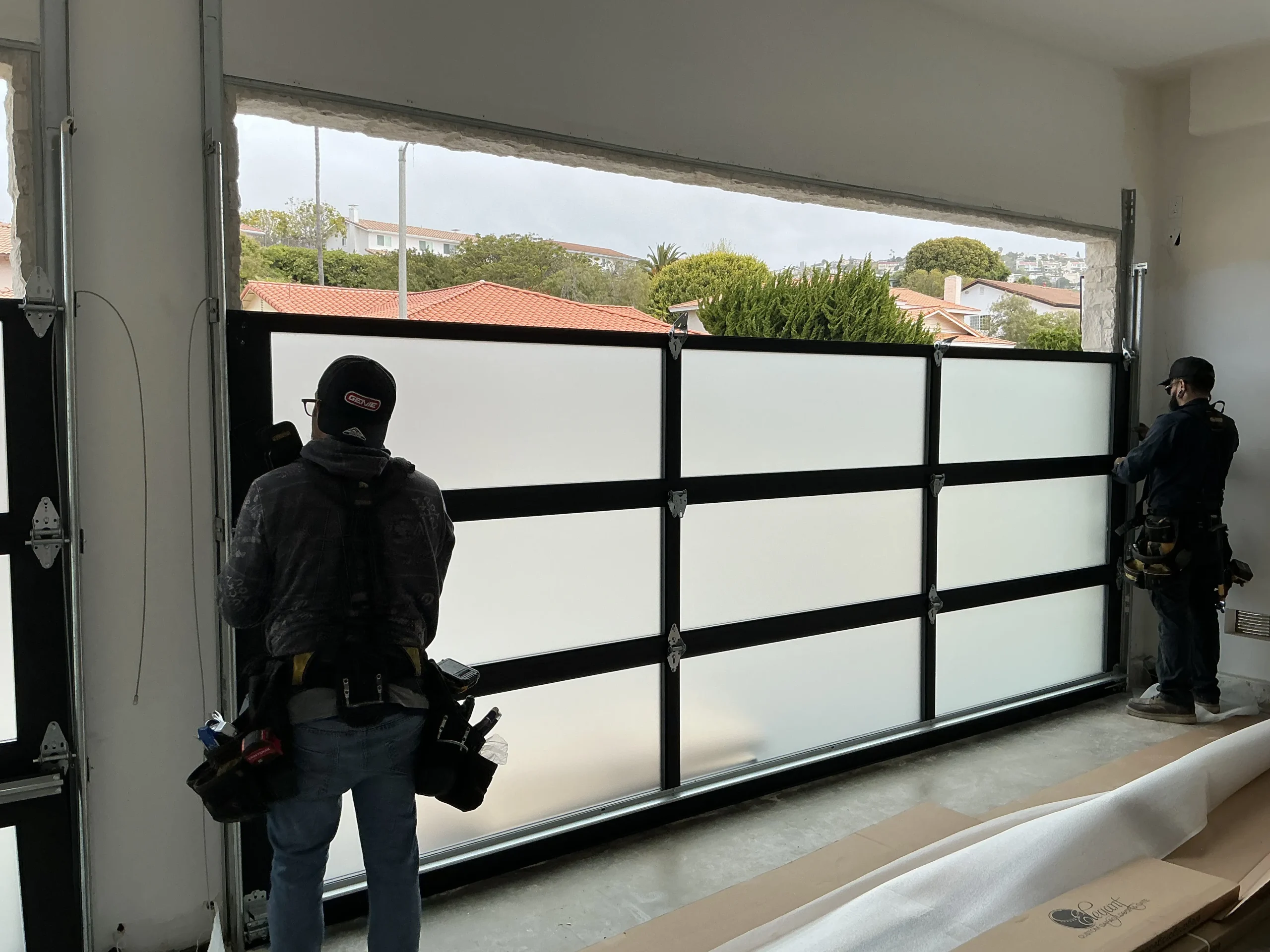
When a technician installs your garage door, you are paying for more than the time they spend on-site. Professional installation covers a range of tasks that protect both the door and your home.
Here is what is typically included:
- Safe removal of the existing door: Old panels, hardware, and springs need to be properly handled and disposed of before the new door goes in.Panel
- Precise fitting and leveling: A door that is even slightly out of alignment will wear unevenly and may fail earlier than expected.
- Spring system setup: Torsion springs are under significant tension and require specialized tools and training to install safely. Attempting this without proper knowledge can result in serious injury.
- Track installation and alignment: Tracks that are not perfectly straight cause the door to bind, skip, or operate unevenly.
- Opener connection and testing: If a new opener is part of the project, the technician will sync it, test safety sensors, and confirm the door operates correctly through a full cycle before leaving.
Labor rates in the Torrance area tend to reflect the regional cost of living in Los Angeles County. Always request a written, itemized quote so you know exactly what is being charged for parts versus labor.
Garage Door Styles That Work Well in Torrance, CA
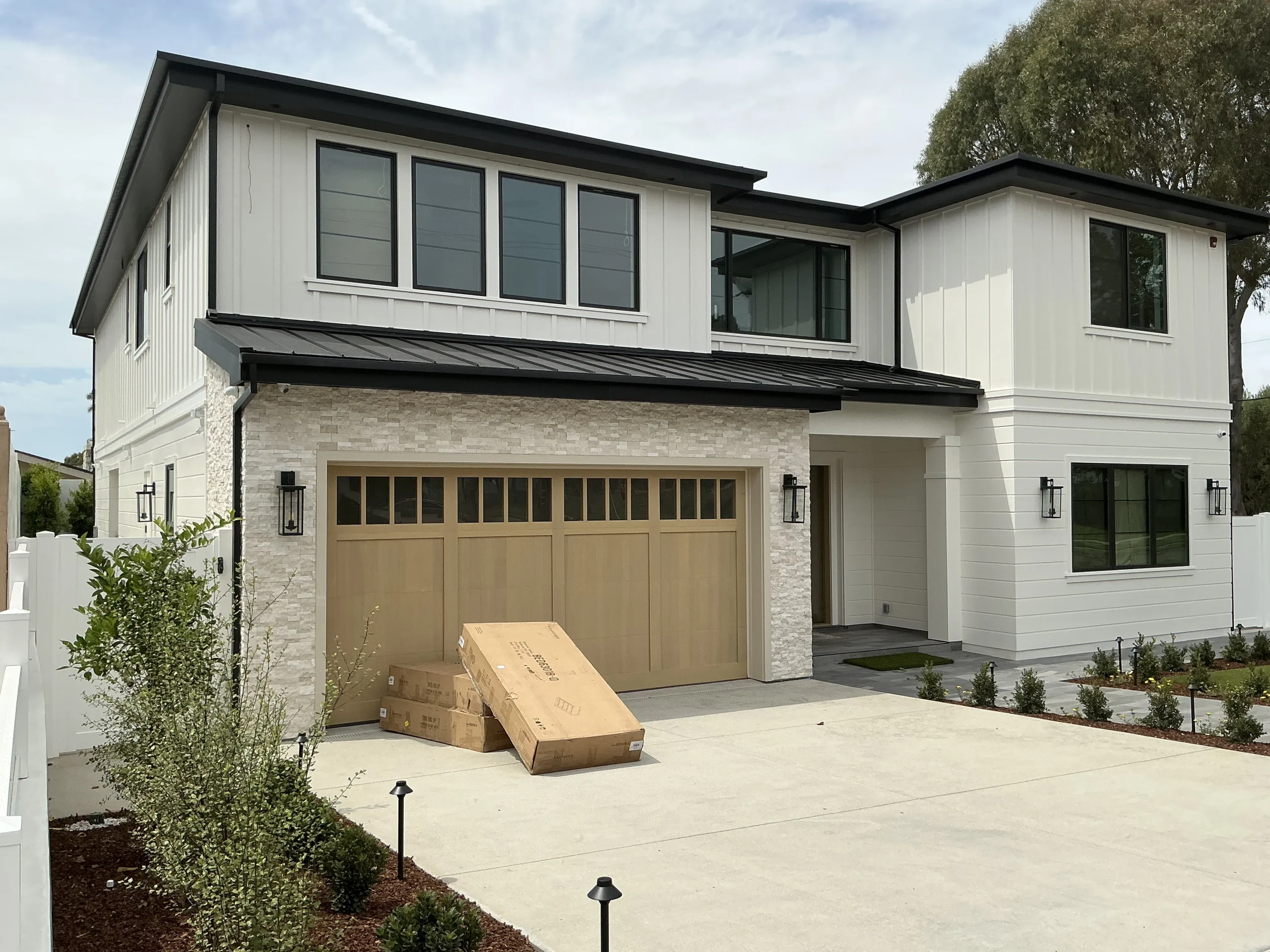
Torrance has a range of architectural styles, from mid-century ranch homes to newer contemporary builds. The right garage door style should complement your home’s existing exterior, not compete with it.
Here are the most popular styles among Southern California homeowners:
- Raised panel: A classic, versatile design that works on nearly any home style. It is the most commonly installed option in the region and offers a clean, traditional look.
- Carriage house: Designed to resemble old-style swing-out barn doors, carriage house designs add visual character. They pair especially well with craftsman and traditional-style homes.
- Contemporary flush panel: Flat, clean lines work well on newer builds and homes with a minimalist exterior. This style is growing in popularity across newer developments in Torrance.
- Glass panel: Full or partial glass sections bring natural light into the garage and complement modern home designs. They do require more regular cleaning and offer less privacy than solid panel options.
- Ranch panel: Horizontal lines on these doors pair naturally with ranch-style homes, which remain common across Torrance and the surrounding South Bay area.
Single vs. Double Garage Doors: What Does the Difference Cost You
Single-car doors cover a standard opening and are the more budget-friendly option in both materials and labor. Double-car doors cover wider openings and typically cost more due to the increased door size, additional hardware weight, and longer installation time.
For homeowners with two-car garages, there is a practical choice to make: install one wide door or two separate single doors. Two single doors offer an advantage if one section is ever damaged, since only the affected door needs to be addressed. One wide door tends to give the front of the home a cleaner, more unified appearance.
According to the Door and Access Systems Manufacturers Association (DASMA), proper installation and regular maintenance are the two most critical factors in extending a garage door’s functional lifespan, regardless of whether it is a single or double configuration.
Add-Ons and Upgrades Worth Considering
Once you have a base door and material in mind, several upgrades can improve how the door performs, looks, and functions day to day.
- Higher insulation ratings: Upgrading to a door with a higher R-value reduces heat transfer, lowers noise, and keeps the garage more comfortable year-round. Insulated garage doors can significantly reduce energy loss, especially in attached garages.
- Smart openers: Wi-Fi-enabled openers allow you to monitor and control your garage from a smartphone. They are compatible with most home automation platforms and provide added convenience and security.
- Decorative hardware: Handles, faux hinges, and window inserts can give a standard door a more customized appearance without the cost of a fully custom build.
- Weather sealing: Bottom seals and perimeter seals keep out dust, moisture, and pests. In coastal areas like Torrance, quality sealing also helps combat the effects of salt air on interior components.
- Backup battery systems: Battery backup units keep your opener functional during a power outage, which is a practical addition in areas that experience occasional grid disruptions.
Knowing When to Repair vs. When to Replace
Not every garage door problem calls for a full replacement. Understanding the difference between a repair and a replacement helps you avoid overspending or underinvesting.
Situations where a repair may be the right call:
- One or two panels are damaged while the rest of the door is structurally sound.
- The opener is malfunctioning, but the door itself operates correctly when tested manually.
- Springs or cables have failed, but the door panels are in good condition.
Situations where a full replacement makes more sense:
- The door is 15 to 20 years old and has had multiple service calls in recent years.
- Rust, warping, or structural damage affects more than a third of the door.
- The door is no longer insulating effectively, and energy costs are rising as a result.
- The cost of repairing the door is approaching or exceeding the price of installing a new one.
If you are dealing with localized panel damage and want to understand your options in detail, Can You Replace One Piece of the Garage Door: Expert Guide covers exactly what is and is not possible when it comes to partial replacements.
Preventive Tips That Protect Your Garage Door Investment
A new garage door is a meaningful investment. A small amount of regular attention goes a long way in protecting it for years to come.
- Inspect hardware twice a year: Check for loose bolts, worn rollers, and fraying cables. Small issues caught early are far less expensive to address than problems that have been ignored.
- Lubricate moving parts every six months: Apply a garage door-specific lubricant to the rollers, hinges, and tracks. Avoid using general spray lubricants on torsion springs, as they can degrade the springs faster over time.
- Test the door’s balance periodically: Disconnect the opener and lift the door manually to the halfway point. If it stays in place, the spring tension is correct. If it drops or rises on its own, a technician should inspect it promptly.
- Keep the tracks clear: Dirt and debris buildup along the tracks can cause the door to hesitate, stick, or operate unevenly. A clean, dry cloth works well for routine track cleaning.
- Replace weather seals when they crack: Inspect the bottom seal and perimeter seals each year. Brittle or cracked seals should be replaced before the rainy season to keep moisture and pests out of the garage.
Ready to Take the Next Step on Your Torrance Garage Door Project?
Understanding what goes into a new garage door installation makes the entire process easier. When you know what materials cost, what labor covers, and what to watch for in your current door, you can make a confident, well-informed decision rather than guessing at a budget.
If you are ready for a professional assessment, G & G Garage Door is here to help Torrance homeowners get the job done right. Our team will walk you through your options, provide a clear quote, and handle the installation with care. Contact us or give us a call to schedule your consultation today.