

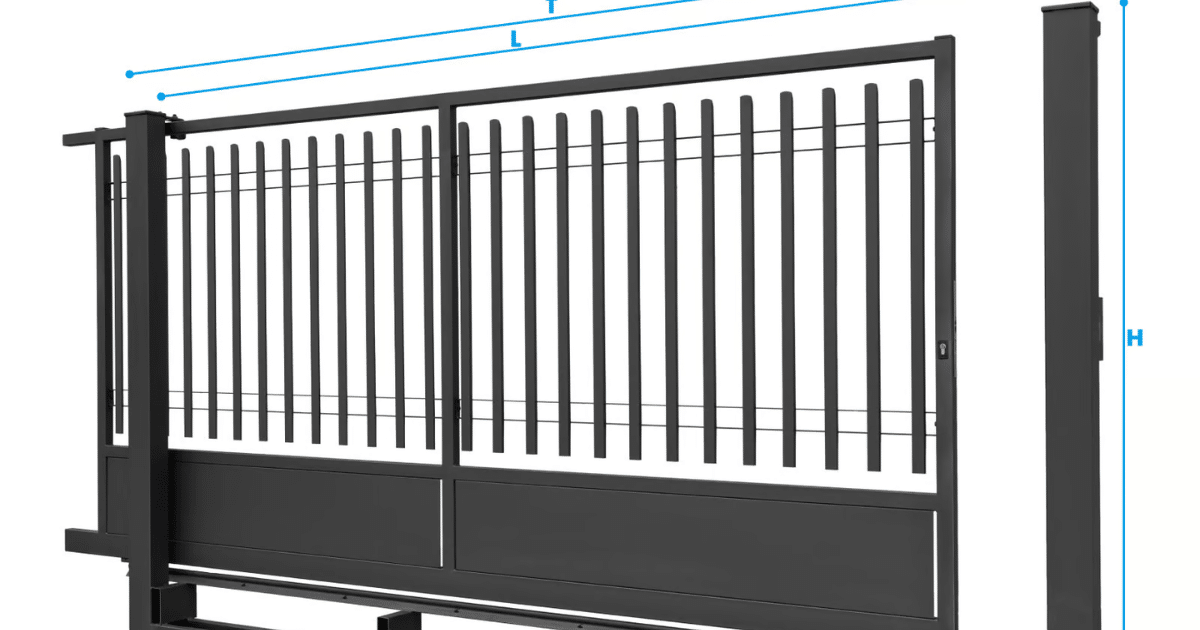
If you have a sliding gate at your home or property, you already know how much it does for you every single day. It keeps your space secure, controls who comes in and out, and adds a layer of protection that a standard fence alone cannot provide. But like any system with moving parts, a sliding gate only works as well as the hardware holding it together.
Understanding your sliding gate hardware does not require an engineering degree. In fact, once you know the key parts and what each one does, it becomes a lot easier to spot problems early, keep things running smoothly, and avoid expensive repairs down the road. Whether you have an iron sliding gate on a residential driveway or a heavy-duty commercial setup, the same core components are at work.
This guide breaks down everything a homeowner in Torrance, CA needs to know, from the parts of a gate to practical maintenance tips and security features worth paying attention to.
The Sliding Gate Track: The Foundation of Every Gate System
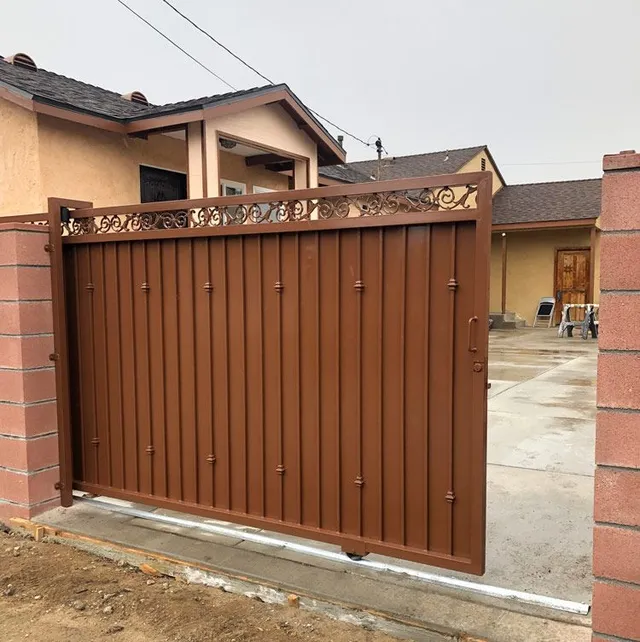
The track is the first thing your gate depends on. It sits at the base of the gate and guides the entire structure as it opens and closes. Without a solid, properly installed track, every other component suffers.
What to check:
- Look for debris, dirt buildup, or small rocks sitting inside the track. These are common causes of grinding sounds and uneven movement.
- Check for warping or bending, especially after heavy rain or extreme heat. Torrance summers can be rough on metal surfaces.
- Make sure the track is level. An uneven track puts extra stress on rollers and the motor.
Tips to avoid problems:
- Clean the track at least once a month using a stiff brush and a damp cloth.
- Avoid spraying it down with a hose. Too much water can speed up rust, especially on older iron sliding gate installations.
- If you notice the gate dragging or catching at certain points, the track may need realignment before the problem gets worse.
Rollers and Wheels: What Keeps Your Gate Moving
Rollers are the unsung heroes of any sliding gate mechanism. They carry the full weight of the gate as it moves along the track. Most residential gates use steel or nylon rollers, while heavier commercial gates rely on hardened steel with sealed bearings.
What to check:
- Spin the rollers by hand when the gate is open. They should turn freely without resistance.
- Listen for squeaking or grinding sounds during operation. That usually points to worn-out bearings or rollers that need lubrication.
- Look for flat spots or cracks on the roller surface. A damaged roller can cause the gate to bounce or move unevenly.
Tips to avoid problems:
- Apply a silicone-based lubricant to the rollers every three to six months. Avoid heavy grease that attracts dirt.
- Replace rollers in pairs, even if only one looks worn. Mismatched rollers create uneven weight distribution.
- If you have an iron sliding gate, check for rust forming on the roller housing. Rust left untreated will eventually seize the roller completely.
The Gate Motor and Drive System: The Power Behind the Movement
The motor is what separates a manual gate from an automated one. For most homeowners, the motor is the most important piece of sliding gate hardware on the property. It connects to a drive system, which is typically either a rack and pinion system or a chain-driven mechanism, and that system is what physically pushes the gate open and pulls it closed.
Common drive system types:
- Rack and pinion: A gear on the motor meshes with a toothed rack attached to the gate. This is the most common setup for residential sliding gates.
- Chain drive: A chain loop connects the motor to the gate. More common in heavy commercial applications.
What to check:
- Watch the gate complete a full open and close cycle. It should move at a consistent speed without jerking or stopping mid-way.
- Listen for any unusual sounds from the motor housing. Clicking, humming, or grinding can indicate electrical or mechanical issues inside.
- Check the drive rack for worn or broken teeth. A missing tooth causes the gate to skip and can damage the motor gear over time.
Tips to avoid problems:
- Keep the rack clean and lightly lubricated. Dirt packed between the teeth accelerates wear.
- Do not manually force the gate open or closed when the motor is engaged. This can strip the gear teeth or burn out the motor.
- If the motor runs but the gate does not move, the issue is often in the drive connection, not the motor itself.
Safety Sensors and Obstruction Detection: Protecting People and Property
Modern sliding gate hardware includes safety sensors as a standard feature, and for good reason. A gate that does not detect an obstruction is a serious hazard. These sensors use infrared beams or pressure-sensitive edges to stop or reverse the gate if something is in the way.
For homeowners in Torrance, CA with kids, pets, or frequent visitors, functional safety sensors are not optional. They are essential.
What to check:
- Test the sensors monthly by placing a solid object in the gate’s path while it is closing. The gate should stop and reverse immediately.
- Check sensor alignment. Even a slight bump can knock the infrared beam off-target, which means the sensor will not trigger properly.
- Clean the sensor lenses regularly. Dust and spider webs are the most common causes of false triggers and sensor failures.
Tips to avoid problems:
- If the gate stops randomly without anything in the path, check the sensor alignment before assuming the motor is faulty.
- Make sure sensor wiring is properly secured and not exposed to direct water contact.
- During the rainy season, check that water is not pooling around the sensor housing, which can cause shorts and malfunctions.
For more context on how perimeter-level protection connects to your gate setup, What is a Perimeter Fence? Everything You Need to Know for Protection and Security offers a solid breakdown of how fencing and gate systems work together to create a complete security barrier.
The Gate Frame and Panel Material: Strength, Weight, and Security
The frame is what gives your gate its structural integrity. Most residential sliding gates use one of three materials: steel, aluminum, or iron. Each has its own strengths, and the right choice depends on your security needs, budget, and how much maintenance you want to deal with.
Steel: Strong, durable, and widely available. Steel is the most common choice for residential gates in Torrance. It can be powder-coated to resist rust.
Iron: Heavier than steel and traditionally used in high-security or decorative applications. An iron sliding gate requires more attention to prevent rust, especially in coastal areas where salt air is a factor.
Aluminum: Lightweight and rust-resistant. Ideal for larger gates where motor strain is a concern, though it offers slightly less impact resistance than steel.
What to check:
- Inspect the frame for cracks, bends, or welding failures. These are common after vehicle impact or long-term stress on the hinges and connection points.
- Look for rust spots forming at the base of the frame where it sits closest to the ground.
- Check that all panel sections are tightly secured and not rattling during movement.
Tips to avoid problems:
- Apply a rust-inhibiting primer and touch-up paint to any bare metal spots as soon as you notice them.
- Keep vegetation away from the base of the gate. Grass and weeds trap moisture and speed up corrosion.
- For an iron sliding gate specifically, plan for an annual inspection by a qualified technician.
According to the American Fence Association (AFA), proper material selection and installation practices are critical factors in the long‑term performance of any gate system. For detailed industry standards, the AFA’s overview of industry standards is a trusted resource for homeowners looking to understand how professional gate and fence installations are governed.
Locks and Latches: Your Last Line of Defense
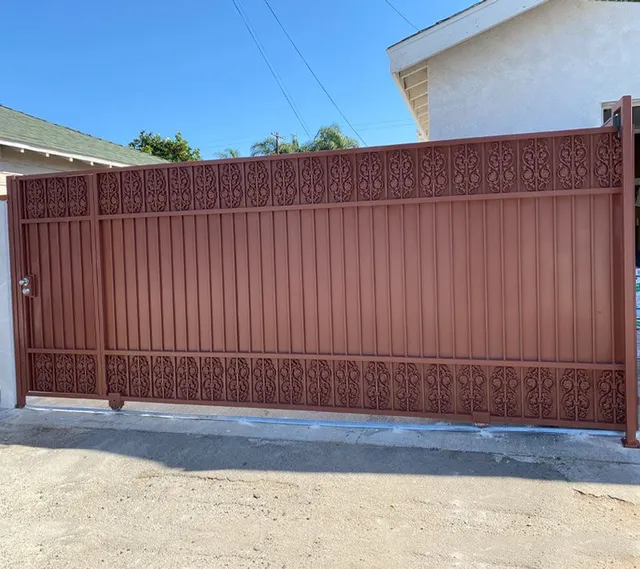
A gate that opens and closes smoothly but does not lock properly is not doing its full job. The locking mechanism is what finalizes the security of your sliding gate setup. Most systems use an automatic drop bolt lock, a manual padlock, or an electromagnetic lock connected to the access control system.
What to check:
- Test the lock every week. It should engage completely and not rattle or shift under pressure.
- Check the latch strike plate for wear. A worn plate allows the bolt to move slightly even when locked.
- Make sure the lock is not exposed to direct rain without protection. Moisture inside a lock housing causes corrosion and eventual failure.
Tips to avoid problems:
- Lubricate the lock mechanism with a dry lubricant spray twice a year. Avoid oil-based lubricants that attract dust and gum up the mechanism.
- If your gate uses a keypad or remote access system paired with an electromagnetic lock, test the backup manual release regularly in case of a power outage.
- Never ignore a lock that is getting harder to engage or disengage. Stiff locks do not get better on their own and usually indicate internal wear or rust.
Access Control Systems: Smart Security for Modern Gates
Access control is where convenience and security meet. Modern sliding gate hardware can be paired with keypads, card readers, intercom systems, smartphone apps, or even license plate recognition systems. For residential properties in Torrance, CA, a basic keypad or remote control is the most common setup.
What to check:
- Test all entry methods, including backup options, at least once a month.
- Check that remote transmitters have fresh batteries. A weak battery is the most common reason remotes stop working reliably.
- Inspect keypad buttons for sticking or unresponsiveness. Worn keypads can lead to security gaps if certain digits become unreliable.
Tips to avoid problems:
- Change your access codes every six to twelve months, especially if you have had service workers or temporary visitors using the entry code.
- Keep your smartphone app updated if your system uses one. Outdated firmware creates vulnerabilities.
- Make sure your access control system has a battery backup so your gate continues to function during power outages.
For homeowners looking to upgrade or add automated access to a wider gate setup, the Complete Guide to Dual Swing Gate Openers for Smooth and Secure Operation covers how different opener systems compare for residential use.
Maintenance Schedule: Keeping All the Parts of a Gate Working Together
A sliding gate is only as reliable as the care it receives. The good news is that a basic maintenance routine does not take much time and prevents the majority of hardware failures.
Monthly:
- Clean the track and remove any debris.
- Test safety sensors with a physical obstruction.
- Check remote and keypad functionality.
- Inspect rollers for unusual sounds or resistance.
Every Three to Six Months:
- Lubricate rollers, the drive rack, and the lock mechanism.
- Inspect the gate frame for rust, cracks, or loose panels.
- Check all sensor alignments and wiring connections.
- Test the gate’s full open and close cycle for consistent speed.
Annually:
- Schedule a professional inspection to check motor performance, drive system wear, and electrical components.
- Repaint or touch up any areas where the protective coating has worn away.
- Review your access control settings and update codes.
The National Electrical Manufacturers Association (NEMA) provides guidelines on motors and generators that are commonly used in automated gate systems, helping homeowners and technicians evaluate how motor and control‑system performance are standardized. You can review the relevant specifications at the NEMA Motors and Generators section of the official site.
Common Signs Your Sliding Gate Hardware Needs Attention
Catching a problem early is almost always cheaper and easier than waiting until something fully breaks down. Here are the warning signs every homeowner should recognize.
- The gate moves more slowly than usual: This often points to a dirty or damaged track, worn rollers, or a motor that is working harder than it should be.
- You hear grinding or scraping sounds: Rollers, the drive rack, or debris in the track are the most likely culprits.
- The gate stops mid-cycle: This can indicate a sensor issue, a motor overheating, or a failing drive connection.
- The gate does not close all the way: Check the limit switches on the motor, which control how far the gate travels in each direction.
- The remote works intermittently: Battery, signal interference, or a failing receiver board could all be responsible.
- The lock does not engage cleanly: Internal corrosion or mechanical wear inside the lock housing is usually the cause.
When you notice any of these signs, do not wait. Most sliding gate hardware issues progress quickly once they start, and what begins as a minor fix can become a major repair if ignored.
Your Gate Deserves Expert Attention
Taking care of your sliding gate hardware is one of the smartest things you can do as a homeowner. Regular inspections, prompt attention to warning signs, and a consistent maintenance routine will keep your gate running reliably for years without unnecessary breakdowns or security gaps.
Whether you are dealing with worn rollers, a struggling motor, or a lock that has seen better days, the right support makes all the difference. Understanding the sliding gate mechanism and the parts of a gate gives you the knowledge to communicate clearly with a technician and make informed decisions about your property.
If you are in Torrance, CA, and your sliding gate needs a professional eye, G&G Garage Door is here to help. Our team has hands-on experience with all types of residential and commercial gate systems, from routine maintenance to full hardware replacements. Contact us or give us a call to schedule a service visit and get your gate back in top shape.