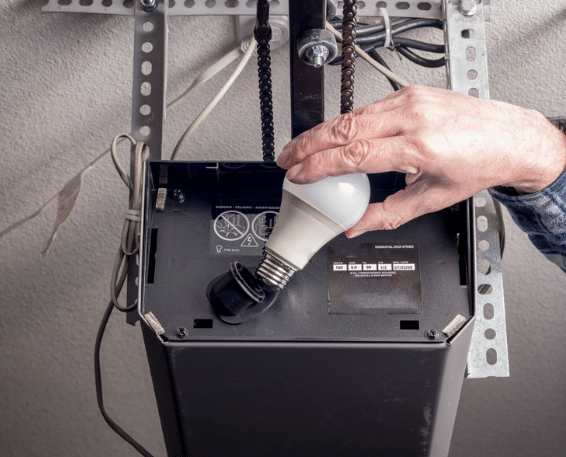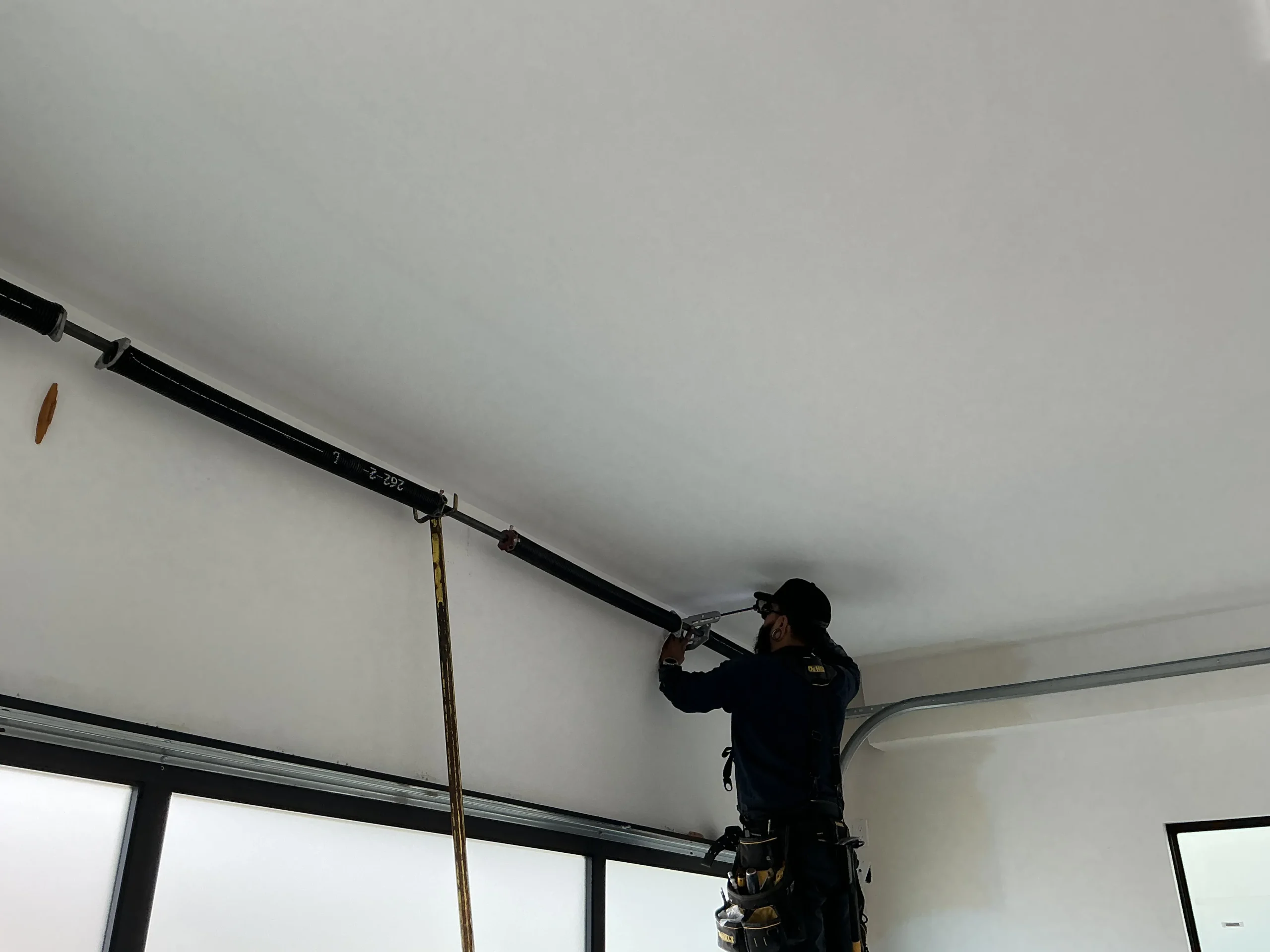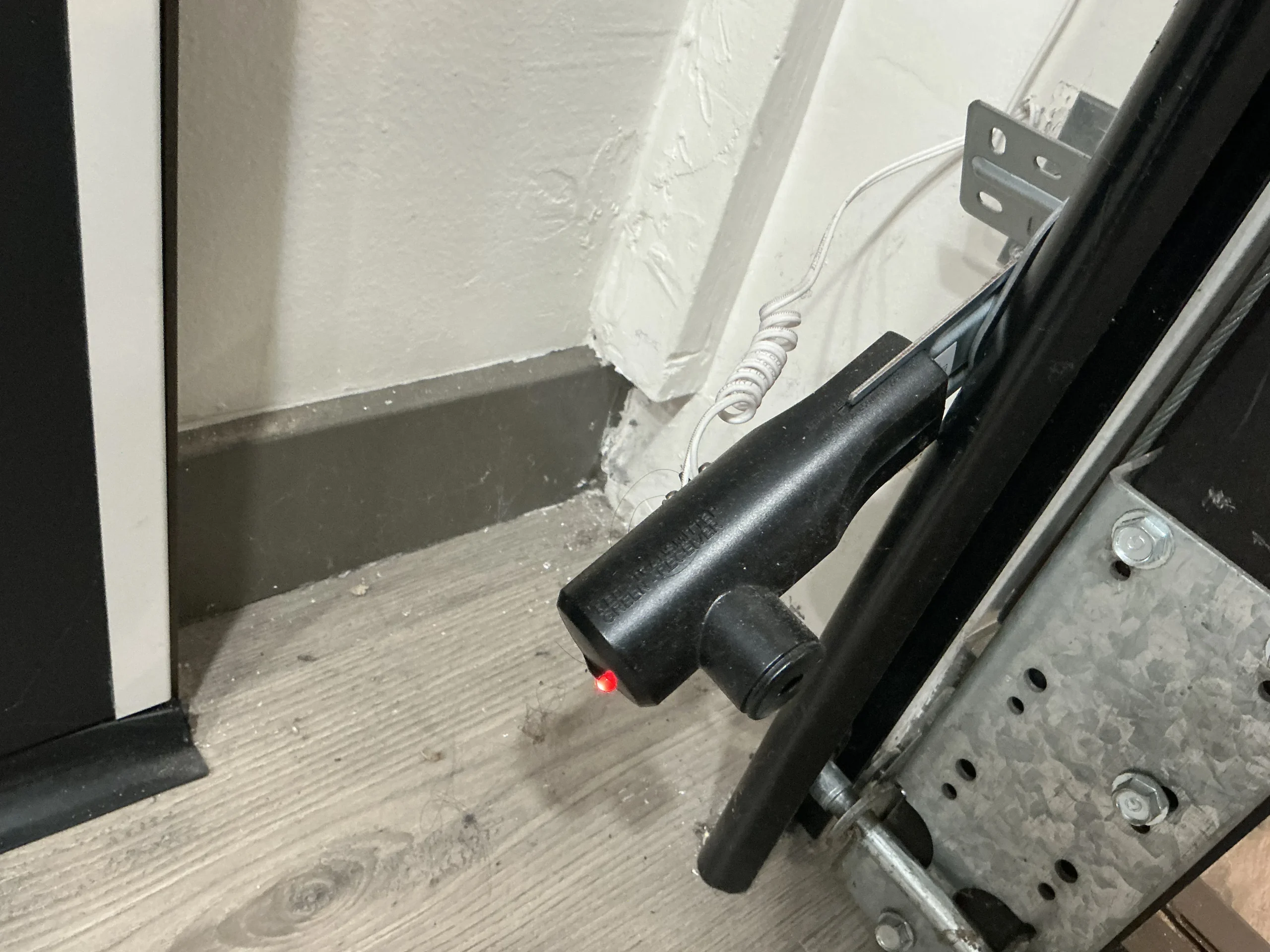






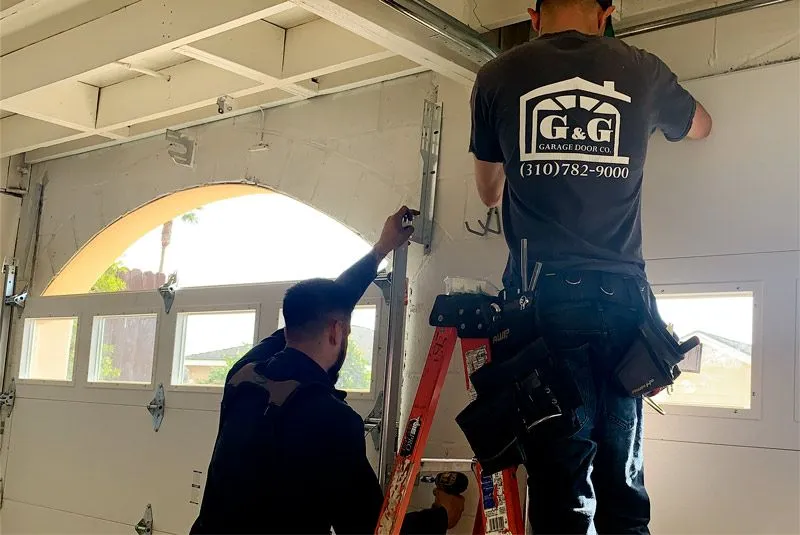
A residential garage door is one of the largest moving systems in a home. When it runs smoothly, daily routines feel simple. When it starts sticking, shaking, or reversing, timing becomes the real issue. Scheduling early can help you avoid lockouts, protect the opener from strain, and reduce sudden breakdowns that lead to urgent service calls.
The right schedule depends on door condition, safety, and your household routine. Some homeowners plan a residential garage door installation during a remodel. Others schedule after repeated residential garage door repair visits or visible door damage.
Start With The Timing Question Most Homeowners Need To Answer
Scheduling is easier when you start with one decision.
- Can you plan ahead, or is this urgent?
Use these quick checks:
Plan-ahead schedule often fits when:
- The door opens and closes smoothly
- The door seals fairly well
- Noise is minor and not getting worse
- You are upgrading insulation, style, or daily comfort
Urgent scheduling often fits when:
- The door will not close fully
- The door reverses often
- The door feels heavy or drops fast
- The opener strains or stops mid-travel
- You see frayed cables or severe track issues
If you need a realistic timeline for a typical appointment and what can extend it, read How Long Does Residential Garage Door Installation Take.
Signs It Is Time To Schedule Installation Instead Of Ongoing Repair
Residential garage door repair is often the right choice when the door is structurally sound, and the issue is limited to garage door panels. Installation becomes the smarter path when the system is worn as a whole or safety is at risk.
The Door Travel Is Uneven Or Jerky
If the door shakes, pauses, or shifts side-to-side, the system may be fighting friction or alignment problems.
Common clues:
- One side rises faster than the other
- The door rubs the track
- The door slams on the floor
- The door binds near the top
When uneven travel keeps returning after service, garage door replacement often reduces repeat breakdowns.
The Door Feels Heavy Or Unbalanced
A door should feel controlled through the full range of travel. A heavy, drifting door can signal spring mismatch or worn lifting parts.
Watch for:
- The door drops quickly when released
- The door does not stay in place when partly open
- The opener strains or stalls
Because springs and cables carry high tension, balance issues are a safety concern. In many cases, a new door system is the safer reset.
The Door Has Visible Damage Or Structural Wear
Cosmetic dents may not matter. Structural wear often does.
Common issues that point toward garage door replacement:
- Cracked sections
- Rot in wood sections
- Bending or sagging across the width
- Hinges pulling loose from weakened material
Damage that affects rigidity can also increase operator strain and shorten the operator’s lifespan.
Repairs Keep Repeating
If you are scheduling residential garage door services frequently, it is worth checking the larger pattern.
Repeated needs may include:
- Rollers wearing quickly
- Track alignment drifting again
- Cables needing repeated adjustment
- Opener reversing after multiple tune-ups
A full installation can be more predictable than stacking repairs on a worn system.
The Opener Is Working Too Hard
An opener issue is often a door issue first. When the door does not move freely, the opener fights the load.
Common signs:
- Slow lift speed
- Grinding, rattling, or harsh vibration
- Frequent reversing
- Overheating or shut-offs
If the door is the source of the strain, garage door installation and proper balance can restore smoother operation.
Best Times Of Year To Schedule And Why It Matters
You can schedule garage door installation year-round. Timing can still affect comfort, availability, and planning.
Mild Weather Can Make Scheduling Easier
Moderate temperatures can help with:
- Keeping the garage clear during the appointment
- Ventilating the space during work
- Avoiding weather-related delays for your household routine
Peak Seasons Can Fill Calendars Faster
Many homeowners schedule exterior upgrades in common remodel months if you want a specific week, plan earlier.
Helpful planning habits:
- Schedule once you know your door style and measurements
- Keep one buffer week for unexpected delays
- Avoid scheduling on the same day as major deliveries
Align Installation With Other Projects
If you are painting trim, adding storage, or updating insulation, coordinate the order of work.
A clean sequencing plan can help:
- Prevent rework around the opening
- Confirm final seal and fit before finishing exterior details
- Keep driveway access organized
What To Do Before You Book The Appointment
The best appointments start with clear decisions. These steps help avoid delays and last-minute changes.
Confirm The Opening And Space Limits
Key checks:
- Opening width and height
- Headroom above the opening
- Side room near tracks
- Backroom depth for full door travel
If the garage has low headroom or tight side clearance, the track layout may need a special configuration.
Define What You Want From The Door
Residential garage door installation can improve comfort and function. Decide what matters most.
Common goals:
- Better sealing and fewer drafts
- Higher insulation value
- Quieter daily operation
- More natural light through windows
- Stronger durability for heavy use
These goals influence door weight, hardware, and opener requirements.
Check Opener Compatibility
Not every opener pairs well with every door.
Consider:
- Door weight and insulation level
- Door height
- Ceiling clearance and track layout
- Age and condition of the existing opener
If the opener is older or already struggling, pairing a new opener with the new door can prevent early strain issues.
Plan Access For The Appointment
Most homeowners do best with a simple plan for:
- Moving vehicles out
- Clearing the work zone
- Choosing a temporary entry path
- Keeping pets and kids away from the work area
What The Appointment Usually Includes And What Can Add Time
A garage door installation includes more than attaching panels. It is a full system setup with safety checks.
Typical work often includes:
- Opening verification and layout checks
- Removal of the old door during garage door replacement
- Track installation and alignment
- Section assembly and hardware installation
- Spring setup and cable routing under high tension
- Opener setup or adjustment when included
- Safety sensor alignment and auto-reverse testing
- Final inspection and cleanup
Common factors that can add time:
- Track layout changes due to clearance limits
- Framing that is out of square
- Opener replacement or wiring updates
- Upgraded seals or trim work
- Specialty hardware or high-lift setups
For a full scope breakdown of residential garage door services during installation, read What Do Residential Garage Door Installation Services Include.
How To Prepare Your Garage For Installation Day
Good preparation supports safer work and fewer delays.
Clear The Floor And Create A Safe Path
Helpful steps:
- Move vehicles out of the garage
- Clear bins, tools, and loose items near the opening
- Keep the center bay open for staging
- Leave space near the side walls for ladders
Make Access Easy For Power And Controls
Plan for:
- Clear access to outlets
- Clear access to the opener area
- Working lights in the garage
- Access to the wall control location
Protect Safety Around Heavy Moving Parts
During installation, door sections are heavy, and lifting parts carry high tension.
We recommend:
- Keep kids and pets away from the garage
- Keep the driveway clear for unloading
- Ask before walking through the work zone
If you want a step-by-step view of how installation day typically runs, read What Happens During Residential Garage Door Installation.
After Installation, Protect Your Results With Simple Care
A new door should feel smoother, quieter, and more controlled. Simple upkeep helps preserve that.
First-Week Checks That Matter
During the first week:
- Listen for new or unusual sounds
- Confirm the door closes evenly at the floor
- Confirm that the door seals well at the bottom
- Test safety reversal features based on the installer’s instructions
If something feels off, schedule service early. Small corrections are often simpler when handled quickly.
CPSC’s overview of garage door operator standards adds context for why safety checks should stay part of ongoing care.
Preventive Garage Door Maintenance Basics
Preventive garage door maintenance is mainly inspection and simple care steps.
A practical routine includes:
- Keep tracks clear of debris
- Check the weather seal condition
- Test photo-eye alignment if the door reverses unexpectedly
- Check for loose hardware sounds
- Schedule periodic professional checks for balance and safety
If the door starts moving unevenly or reversing often, residential garage door repair is a smart next step.
DOE’s air sealing guidance offers practical steps for tighter seals and fewer drafts.
When To Schedule Service
Many homeowners schedule professional checks yearly. If your household uses the door multiple times daily, consider more frequent checking to protect rollers, hinges, and balance.
Ready To Plan Your Installation With Confidence
Scheduling residential garage door installation is simplest when you plan around safety and reliability. If the door is unbalanced, damaged, reversing often, or leading to repeated residential garage door repair visits related to garage door springs, scheduling garage door replacement sooner can reduce risk and prevent sudden lockouts. If the door still runs safely, planning ahead gives you more control over door selection, opener compatibility, and timing that fits your routine.
G & G Garage Door handles residential garage door services with clear communication and straightforward recommendations based on what your door needs, including garage door opener installation. If you want help choosing the right timing and setup, contact us or give us a call. We can review door condition, confirm measurements, and schedule installation so your system runs smoothly and stays dependable.
Frequently Asked Questions
[sp_easyaccordion id=”9025″]