


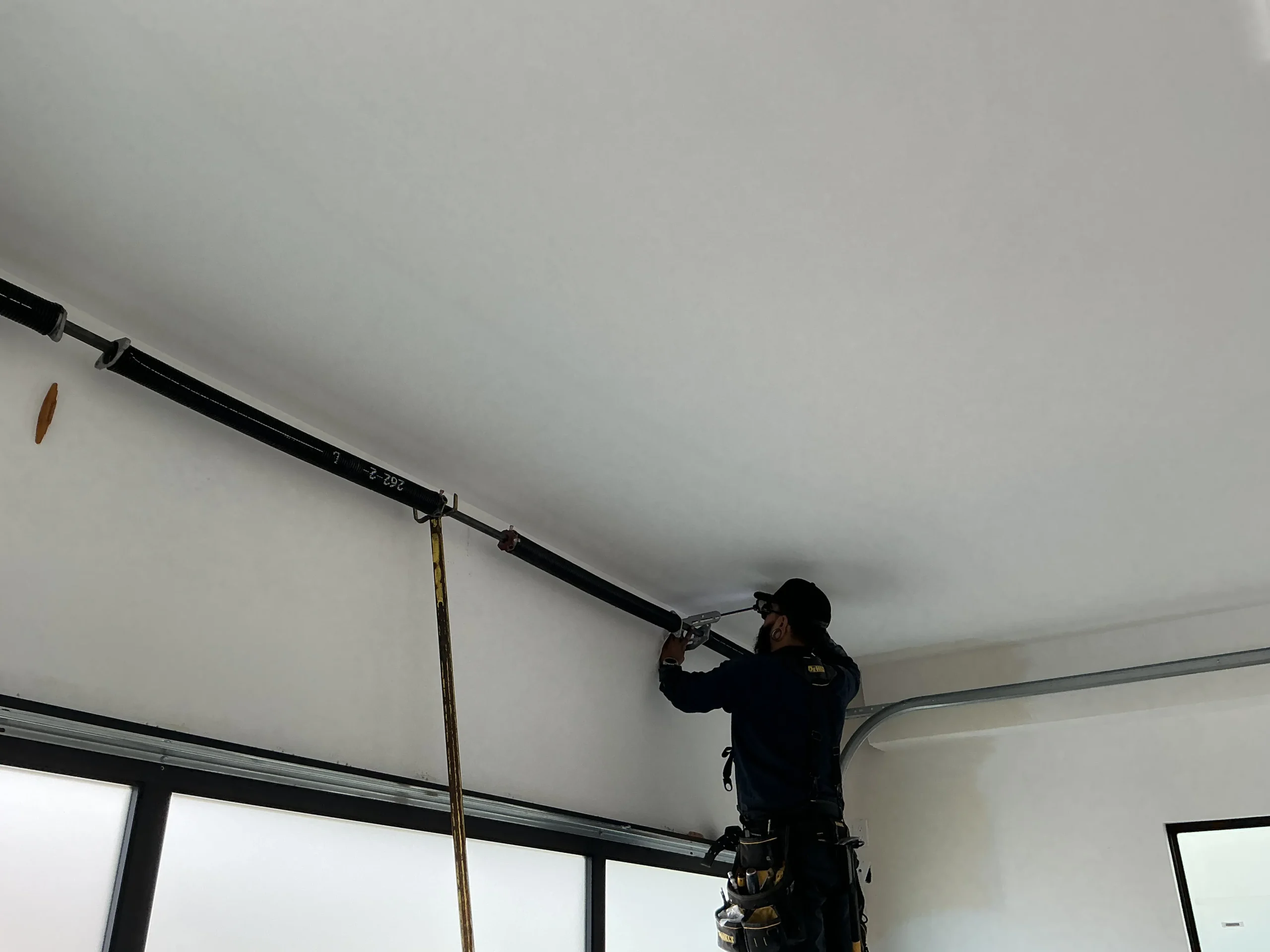
A garage door torsion spring replacement typically lasts 7 to 12 years, depending on usage, spring quality, and maintenance. Understanding the basics of garage door spring replacement helps Anaheim, CA homeowners plan ahead, especially where weather fluctuations and dust can wear down hardware faster and lead to unexpected breakdowns.
Torsion springs are rated in cycles, not years. One cycle equals one full open-and-close operation. Standard springs are rated at 10,000 cycles, while high-cycle springs can reach 25,000 to 100,000 cycles. For a household that opens the garage door 4 times a day, a 10,000-cycle spring lasts roughly 6.8 years.
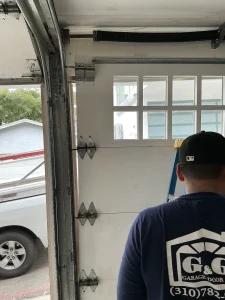
7 Key Factors That Determine How Long a Torsion Spring Lasts
1. Spring Cycle Rating
This is the single biggest factor. Budget springs are rated at 10,000 cycles. Heavy-duty or commercial-grade springs go up to 100,000 cycles. When getting a replacement, always ask what cycle rating the spring carries. Investing in high-cycle springs upfront is almost always worth the average cost difference.
Not sure which spring grade is right or what to look out for? Check out “Garage Door Torsion Spring Replacement: Signs It Is Time” for a closer look at what worn springs actually look like before they fail.
2. How Often the Garage Door Is Used
A family in Anaheim with two drivers using the garage multiple times daily will burn through spring cycles much faster than a single-person household. Track approximate daily usage to predict when the next replacement might be due.
Quick tip: If the garage door is used more than 6 times per day, upgrading to high-cycle springs at the next replacement is strongly recommended.
Still wondering whether the situation needs immediate attention? Read “Is Garage Door Torsion Spring Replacement Urgent?” to find out when waiting is risky and when acting fast matters most.
3. Spring Size and Weight Compatibility
A torsion spring must be properly sized for the door’s weight. An undersized spring works harder on every cycle, reducing its lifespan significantly. A properly matched spring operates within its designed stress range and lasts longer.
Common mistakes include:
- Replacing a broken spring with the wrong wire gauge
- Using a spring rated for a lighter door
- Installing a single spring on a door that requires two
Size and compatibility issues are just one piece of the puzzle. For a deeper understanding of what puts springs at risk in the first place, “What Causes Garage Door Torsion Spring Replacement?” breaks it all down in plain terms.
4. Quality of the Spring Material
Not all torsion springs are created equal. Oil-tempered steel springs tend to outlast zinc-coated or galvanized versions in terms of raw durability. However, in coastal-adjacent areas near Anaheim, corrosion-resistant coatings can be valuable.
Look for springs made from high-carbon steel with a proper temper. Cheap imports may look identical but fail in half the cycles.
5. Lubrication and Maintenance Habits
This is the most overlooked factor. A dry spring experiences more internal friction at every coil during tension and release. Over time, that friction accelerates metal fatigue.
Recommended maintenance schedule:
- Lubricate torsion springs every 3 to 6 months using a garage door-specific spray lubricant or white lithium grease
- Never use WD-40 on springs (it strips protective coatings)
- Wipe away dust and debris from the spring shaft before lubricating
Anaheim homeowners deal with dry, dusty conditions, especially during Santa Ana wind season. Dust buildup on springs accelerates wear and should be cleaned regularly.
6. Anaheim’s Climate Conditions
The temperature swings between hot summers and cooler winters in the Anaheim area cause metal to expand and contract repeatedly. This thermal cycling adds stress to the spring’s coils over time. Additionally, humidity near coastal Orange County can promote surface oxidation on uncoated springs.
Seasonal check: Inspect springs each fall before the cooler months when metal contraction can expose pre-existing microfractures.
7. Professional Installation Quality
A spring installed with improper tension, wrong winding technique, or on a misaligned shaft will fail early regardless of its quality rating. Proper installation by a licensed garage door technician in Anaheim ensures the spring operates at its designed tension, extending its full cycle life.
5 Warning Signs a Torsion Spring Is Failing (Before It Breaks)
Catching a failing spring early prevents a fully broken spring situation, which can leave a vehicle trapped or pose a safety risk. Watch for these signs:
1. The Door Feels Heavier Than Usual
Torsion springs counterbalance the door’s weight. When a spring weakens, the opener motor and manual lifting effort increase noticeably. If lifting the door manually feels like it weighs twice as much, the spring tension has degraded.
2. The Door Opens Unevenly or Crooked
A torsion spring that is losing tension on one side causes the door to rise crookedly. This is especially common with two-spring systems where one spring fails before the other.
3. Visible Gaps in the Spring Coils
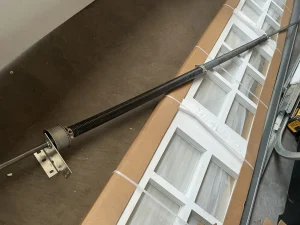
A gap in the spring coil is a clear visual sign of a break or severe fatigue. Inspect the spring (without touching it) for any separation along the coil length.
4. Loud Bang or Snap Sound
A fully broken torsion spring makes a loud bang, often described as a gunshot sound. If this happens, do not attempt to operate the door. The cable drums and door panels can be damaged if the door is forced open without spring support.
5. The Opener Strains or Reverses
Modern garage door openers have built-in force limits. When a spring weakens, the opener detects unusual resistance and may reverse the door or trigger the travel limit sensors. A door that opens halfway and reverses, despite no obstruction, often points to spring failure.
What to Check After a Torsion Spring Replacement in Anaheim
After any spring replacement service, perform these checks before calling the job complete:
- Balance Test: Disconnect the opener and manually lift the door to waist height. Release it. A properly balanced door stays in place or moves very slightly. A door that crashes down or flies up indicates improper spring tension.
- Cable Inspection: Check the lift cables on both sides for fraying, rust, or loose attachment at the drum. Broken springs often damage cables during failure.
- Hardware Check: Inspect the cable drums, end bearing plates, and center bearing for wear. A spring replacement is a good opportunity to replace any hardware showing signs of fatigue.
- Opener Force Settings: After reinstalling the opener, verify the force settings are properly calibrated. A newly installed spring changes the door’s resistance characteristics.
How to Extend the Life of a Replacement Torsion Spring
Professional replacement is not the end of the responsibility. These habits keep replacement springs lasting as long as possible in Anaheim homes:
- Lubricate Every 3 to 6 Months: Apply a garage door lubricant along the coil length. A little goes a long way. Wipe off excess.
- Keep the Tracks Clean: Debris in the tracks causes the door to bind, creating uneven stress on the spring during operation.
- Avoid Manual Override During Power Outages When Possible: Every manual cycle still counts against the spring’s total cycle life.
- Schedule Annual Inspections: A certified garage door technician in Anaheim can spot early signs of spring wear, cable fraying, or misalignment before they become emergencies.
- Upgrade to High-Cycle Springs: At the average cost difference between standard and high-cycle springs, the upgrade is one of the best long-term investments for a high-usage household.
When Is It Time to Call a Garage Door Professional in Anaheim, CA?
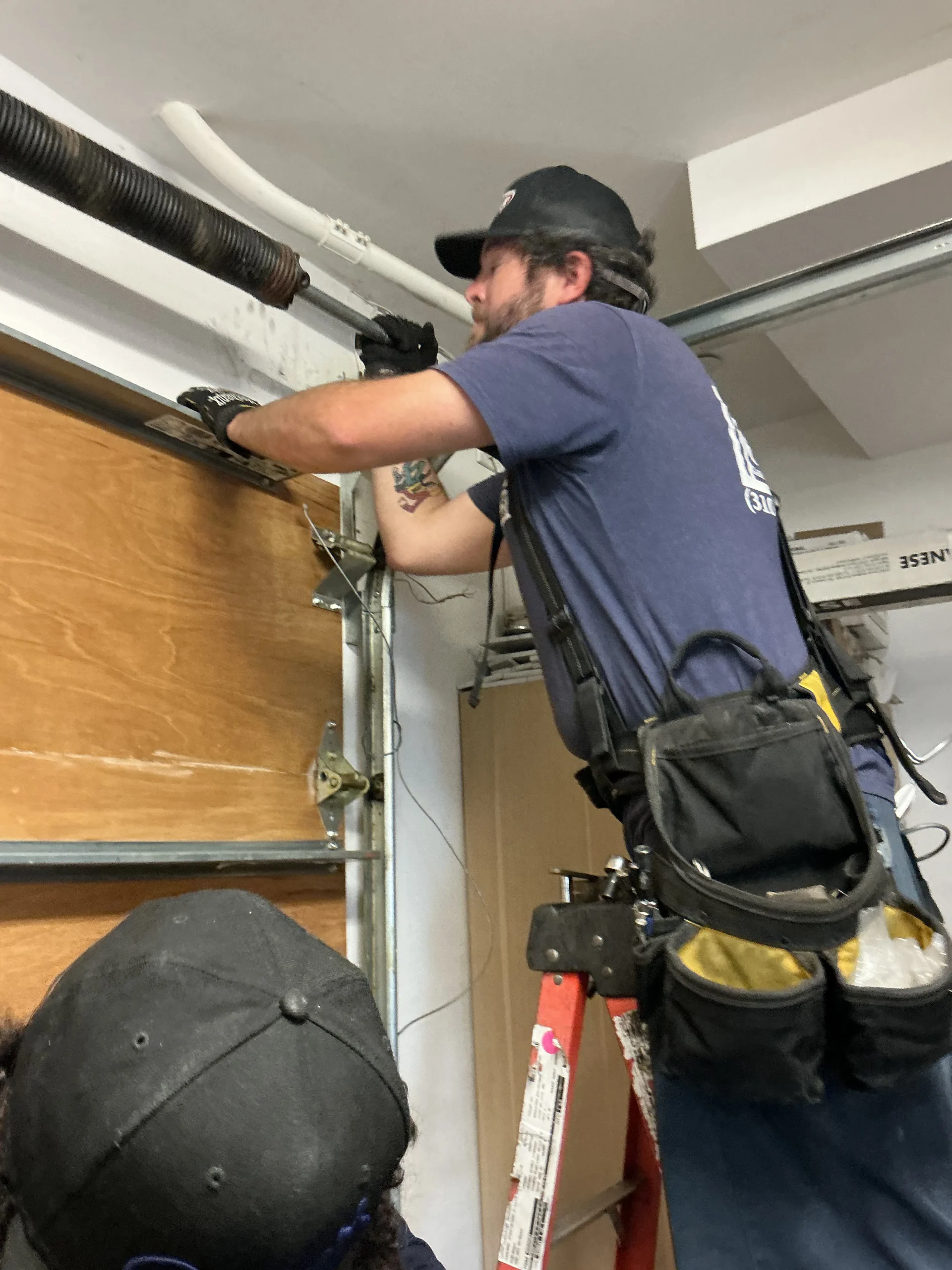
Torsion springs are under extreme tension, holding hundreds of pounds of stored energy. This is not a DIY repair. Attempting to wind or replace a torsion spring without proper tools and training has caused serious injuries. Any sign of trouble is a clear signal to seek professional garage door spring repair before the problem gets worse.
Call a licensed Anaheim garage door technician when:
- A visible gap or break is noticed in the spring
- The door fails the balance test
- The door makes grinding, squeaking, or popping sounds during operation
- The opener repeatedly reverses without a visible obstruction
- It has been more than 7 years since the last spring replacement
A professional service call in Anaheim typically includes inspection, spring replacement, cable check, and balance adjustment. Ask specifically for high-cycle springs and confirm the technician is licensed and insured in California.
Trusted Local Help Is Just One Call Away
G & G Garage Door has built a strong reputation across Anaheim for honest assessments, quality parts, and reliable workmanship. Whether the spring just broke or the door has been acting up for weeks, the team is ready to help. Contact us today or give us a call to schedule an inspection and get the garage door working the way it should.