





A lot of homeowners assume their garage door is the right size simply because it came with the house. But the truth is, garage doors get replaced, openings get modified, and vehicles get bigger. What worked twenty years ago may not be the best fit today.
If you are in Torrance, CA and thinking about garage door replacement or upgrading your garage door, understanding single car garage door width is the right place to start. Getting the width right affects how comfortably you can park, how the door operates, and how well the whole system holds up over time. This guide covers everything you need to know before making a decision.
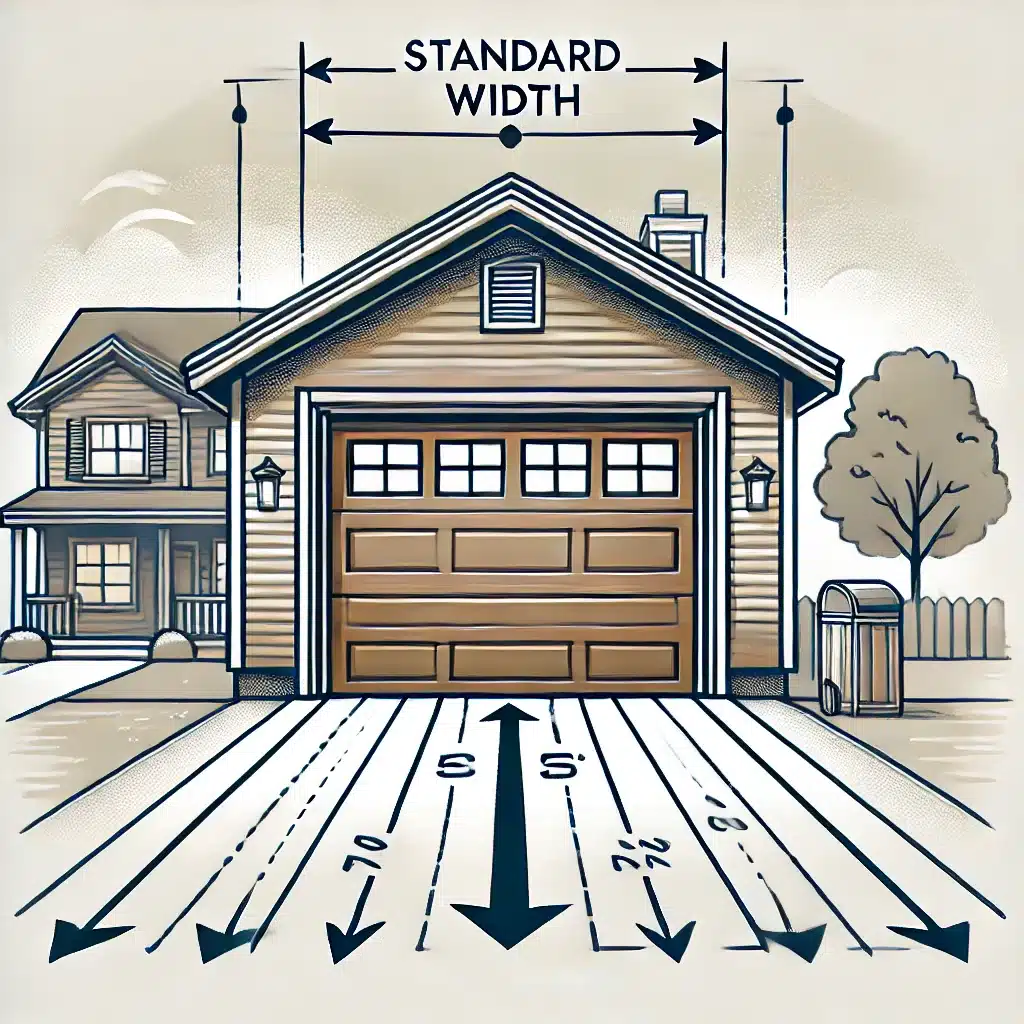
What Is the Width of a Single Garage Door?
The standard single car garage door width in most residential homes is 8 to 9 feet. That range covers the majority of homes built in the last several decades and fits most standard passenger vehicles.
Here is a quick breakdown of the most common single-car widths:
- 8 feet wide – The traditional standard, found in most older homes and still widely used today
- 9 feet wide – Growing in popularity for newer construction and larger vehicles
- 10 feet wide – Less common but available for oversized single-car bays or wide vehicle setups
Width is only part of the picture, though. Height plays an equally important role in how a garage door fits and functions. For a full breakdown of how height factors into your decision, Garage Door Height Secrets Revealed: How to Choose the Perfect Size walks through everything you need to know about vertical clearance and sizing.
Single Car Garage Door Dimensions: Width, Height, and Why Both Matter
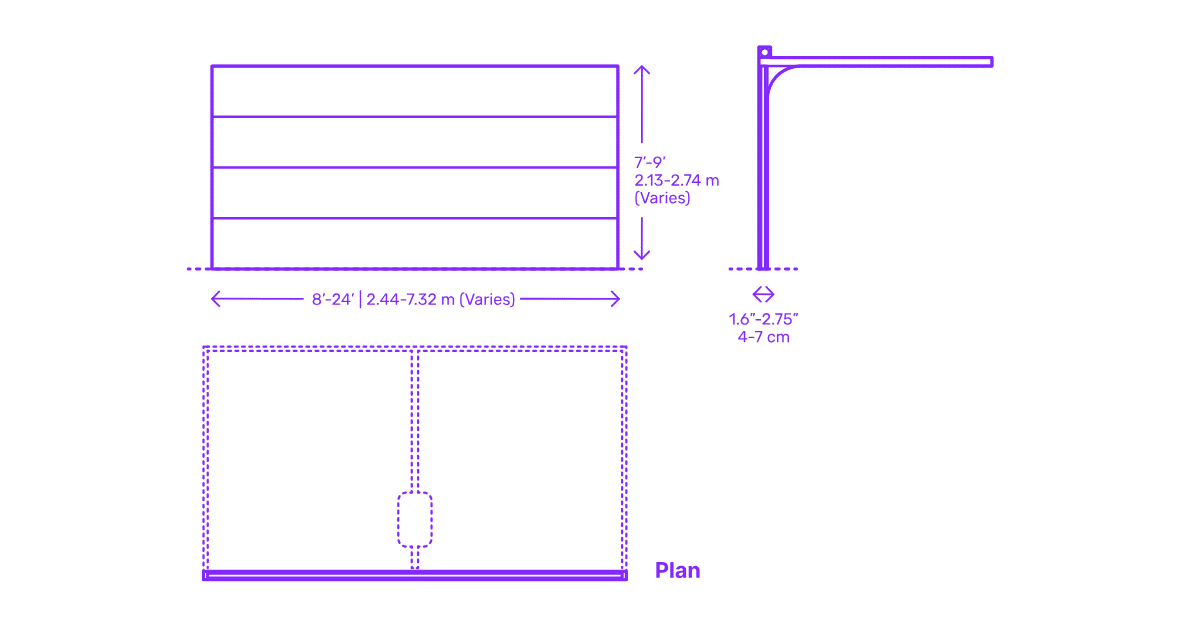
When homeowners talk about single car garage door dimensions, they usually focus on width. But a complete set of measurements covers three things:
- Width: 8 to 9 feet is the standard residential range
- Height: 7 to 8 feet is typical for most single-car doors
- Panel thickness: Ranges from about 1.25 inches for basic steel doors to 2 inches or more for insulated models
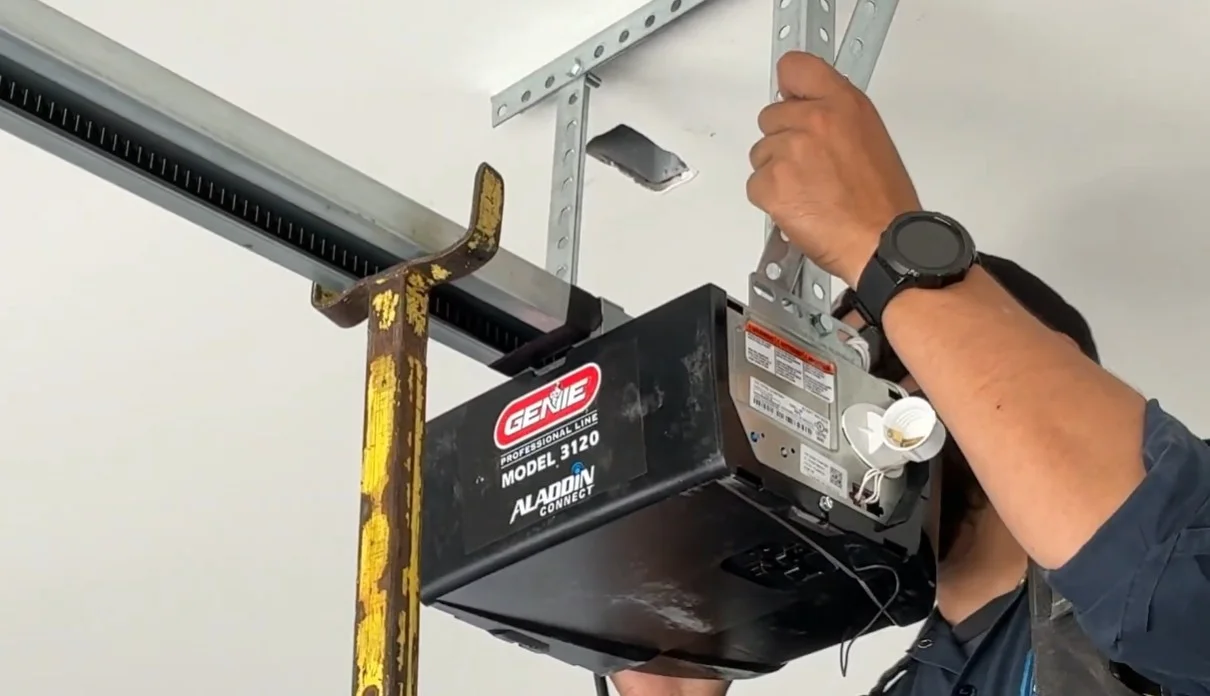
Why does thickness matter? Thicker panels add weight. A heavier door puts more demand on your spring system and opener. Using an opener that is not rated for the door’s weight is one of the more common causes of early opener failure.
What to check: Before ordering a replacement door, confirm that your existing opener’s horsepower rating can handle the new door’s weight. A garage door technician can verify this quickly during a site inspection.
How Wide Are Single Car Garage Doors Compared to What You Actually Need?
Knowing the standard is helpful, but what matters most is whether the standard fits your specific situation. Here is a practical way to think about it based on vehicle type:
- Compact cars and sedans (Honda Civic, Toyota Corolla) – Typically 68 to 70 inches wide. An 8-foot door provides comfortable clearance on both sides.
- Midsize SUVs (Honda CR-V, Toyota RAV4) – Typically 73 to 75 inches wide. An 8-foot door works, though side clearance gets tighter.
- Full-size trucks (Ford F-150, Chevy Silverado) – Typically 79 to 80 inches wide without mirrors. An 8-foot door is workable but leaves very little margin.
- Large SUVs and vans (Chevy Suburban, Ford Transit) – Often 80 inches or wider. A 9-foot door is a much more comfortable fit.
A good rule of thumb is to have at least 8 inches of total clearance between your vehicle and the door frame, roughly 4 inches on each side. If your vehicle falls close to or above 80 inches wide, a 9-foot door is worth consideration.
Tip: Measure your vehicle at its widest point, including any side mirrors that do not fold in automatically. That is your real width, not what the spec sheet says.
Standard Single Garage Door Size: How Homes in Torrance Are Changing
Older homes in Torrance and across the South Bay were typically built with 8-foot single-car doors. That was the standard when most families drove compact or midsize vehicles, and it made sense for the time.
Newer construction tells a different story. Many builders in the area now install 9-foot doors as a baseline because modern vehicles are simply larger. If you are replacing a door on an older home and you drive anything larger than a standard sedan, garage door installation is a natural opportunity to assess whether sizing up makes sense for your driveway and your lifestyle.
A few things to consider before sizing up:
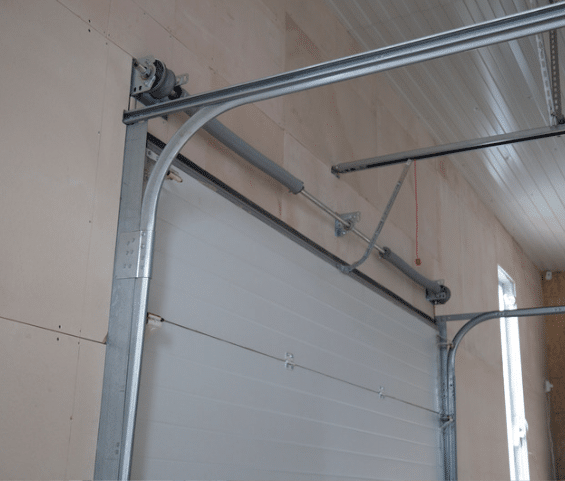
- Side room: Your garage walls need enough clearance on each side for the door tracks. Standard tracks need at least 3.75 inches per side. Wider doors need the same clearance, so check your wall-to-opening distance before ordering.
- Opener compatibility: A wider door is usually heavier. Confirm your garage door opener can handle the added weight.
- Frame modification: In some cases, widening the door opening requires structural changes to the surrounding frame. This is not a DIY project.
Garage Door Sizes Chart: A Quick Reference for Single-Car Widths
Use this as a general guide when comparing your options:
|
Width |
Typical Use |
|
6 feet |
Older or specialty structures only |
|
7 feet |
Narrow openings in older homes |
|
8 feet |
Standard single-car, fits most sedans and midsize SUVs |
|
9 feet |
Larger vehicles, newer builds, wider driveways |
|
10 feet |
Oversized single-car bays, trucks, cargo vans |
This chart covers width only. Always pair these numbers with your actual opening measurements before making a final decision. A garage door that is the right width but the wrong height still will not work correctly.
What Is the Smallest Garage Door Size You Can Realistically Use?
The smallest garage door size commonly manufactured for residential use is 6 feet wide. You will mostly find this in older homes, converted spaces, or structures that were not originally built as traditional garages.
A 6-foot door is very limiting for modern vehicles. Most cars on the road today are wider than 70 inches, which leaves very little room on either side when passing through a 72-inch opening.
If you are dealing with a narrow opening:
- A 7-foot door is available through specialty manufacturers, but is still a tight fit for most vehicles
- An 8-foot door is the practical minimum for comfortable daily use with a modern car
- Widening the opening is an option in many garages, but it involves structural work and should be evaluated by a professional
Tip: If your current door is under 8 feet wide and you are having clearance issues, do not just replace the door with the same size. Have a professional assess whether the opening can be widened before committing to a replacement.
How to Measure a Garage Door Opening the Right Way
Measuring correctly before ordering a door saves you from costly returns, delays, and installation headaches. Here is what to measure:
- Width: Measure the horizontal opening from inside edge to inside edge of the door frame at its widest point
- Height: Measure from the floor to the top of the opening
- Side room: Measure the distance from each side of the opening to the nearest wall or obstruction. You need at least 3.75 inches on each side for standard tracks.
- Headroom: Measure from the top of the opening to the ceiling. Most torsion spring systems require a minimum of 10 to 12 inches.
- Backroom depth: Measure how far back your garage interior goes. This determines what track and opener configuration will fit.
Write all five numbers down before contacting a supplier or installer. Arriving with accurate measurements eliminates back-and-forth and helps you get a precise quote faster.
Note: If your garage floor slopes or is uneven, mention it to the technician. An unlevel floor affects how the bottom seal sits and whether the door closes flush against the ground.
Average Garage Door Width: What the Numbers Tell You
The average garage door width for a single-car residential setup in the United States is 8 feet. This has been the dominant size for most of the last fifty years because it was designed around the average vehicle of that era.
The trend is shifting. As vehicles have grown larger, the demand for 9-foot single-car doors has increased noticeably in newer neighborhoods. According to the U.S. Department of Energy’s guidance on doors and energy efficiency, garage doors are the largest moving part in most homes and play a significant role in a home’s overall energy performance. Getting the size right is not just about vehicle clearance. It also affects insulation, air sealing, and energy costs, especially in an attached garage.
If you are replacing an 8-foot door and your vehicle is on the larger side, this is a reasonable time to consider whether a 9-foot door is a better long-term fit.
Garage Door Width for One Car: When Standard Is Not Enough
There are situations where a standard 8-foot door is technically functional but not actually practical. Here are the clearest signs that sizing up makes sense:
- You drive a full-size truck, a large SUV, or a cargo van
- Your driveway has an angled approach that makes straight-line entry difficult
- You have had close calls or minor scrapes pulling in or out
- Passengers regularly get in or out of the vehicle inside the garage
- You use the garage as a workspace and need room to move around the vehicle freely
On the other hand, not every homeowner needs to go wider. If you drive a compact or midsize vehicle and your current setup has not caused any issues, replacing like-for-like is a perfectly reasonable choice.
The key is making that decision based on your actual situation rather than just defaulting to whatever was there before.
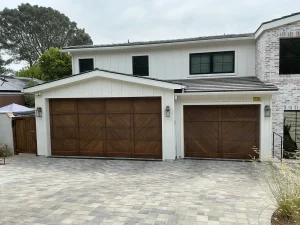
Thinking About Wider Configurations? Here Is What Changes
Once you move beyond the standard single-car range and start looking at wider openings, a few things shift in terms of hardware, weight, and installation requirements.
For homeowners considering wider door configurations or two-car setups, Stop Guessing: How to Choose the Right Garage Door Width covers the full range of garage door width options and helps match the right size to your specific setup and vehicle combination.
A few things that change as the door width increases:
- Spring tension requirements go up. Wider and heavier doors need more spring tension to balance correctly.
- Opener horsepower matters more. A wider door demands a more capable opener to operate reliably over time.
- Track layout may need to be adjusted. Some wider configurations require a different horizontal track setup that does not work in all garages.
According to the Door and Access Systems Manufacturers Association (DASMA), proper sizing and hardware compatibility are among the most important factors in long‑term garage door safety and performance.
The Right Width Makes a Bigger Difference Than Most Homeowners Expect
Choosing the right single car garage door width is one of those decisions that affects your daily life in small but constant ways. A door that is a few inches too narrow means tighter clearances every time you pull in. A door that is the right fit means you stop thinking about it entirely, which is exactly how it should work.
Take the time to measure accurately, think about your vehicle honestly, and consult a professional if anything about your opening seems unusual or out of standard.
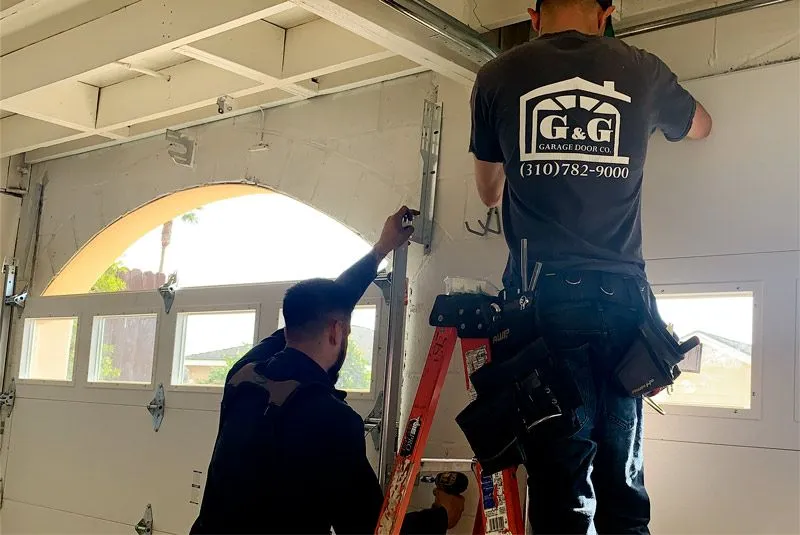
If you are in the Torrance area and want expert guidance on sizing, installation, or replacement, the team at G & G Garage Door is ready to help. Contact us or give us a call, and we will make sure you get the right door for your home from the start.