




A garage door that starts to close and suddenly reverses can be confusing and frustrating. Many homeowners immediately assume the opener is broken, but that is not always the case. In most situations, the system is actually doing exactly what it was designed to do: protect people, property, and the garage door itself.
A Chamberlain garage door opener, including commercial openers used in high-cycle environments, features built-in safety mechanisms that detect resistance, misalignment, or obstructions. When something seems wrong, the system automatically reverses direction to prevent damage or injury.
In Anaheim, this issue can occur more often due to environmental factors like dust, heat, and frequent daily use, especially in properties that rely on both residential and commercial garage door systems. Understanding what causes a garage door to reverse is the first step toward preventing recurring problems and maintaining a safe, reliable system.
This guide explains the most common causes, what to check, how to prevent the issue, and when professional service is necessary.
Quick Answer: Why Does a Chamberlain Garage Door Reverse?
A Chamberlain garage door opener typically reverses because it detects a problem that affects safe operation.
The most common causes include:
- Misaligned or blocked safety sensors
- Objects or debris in the door’s path
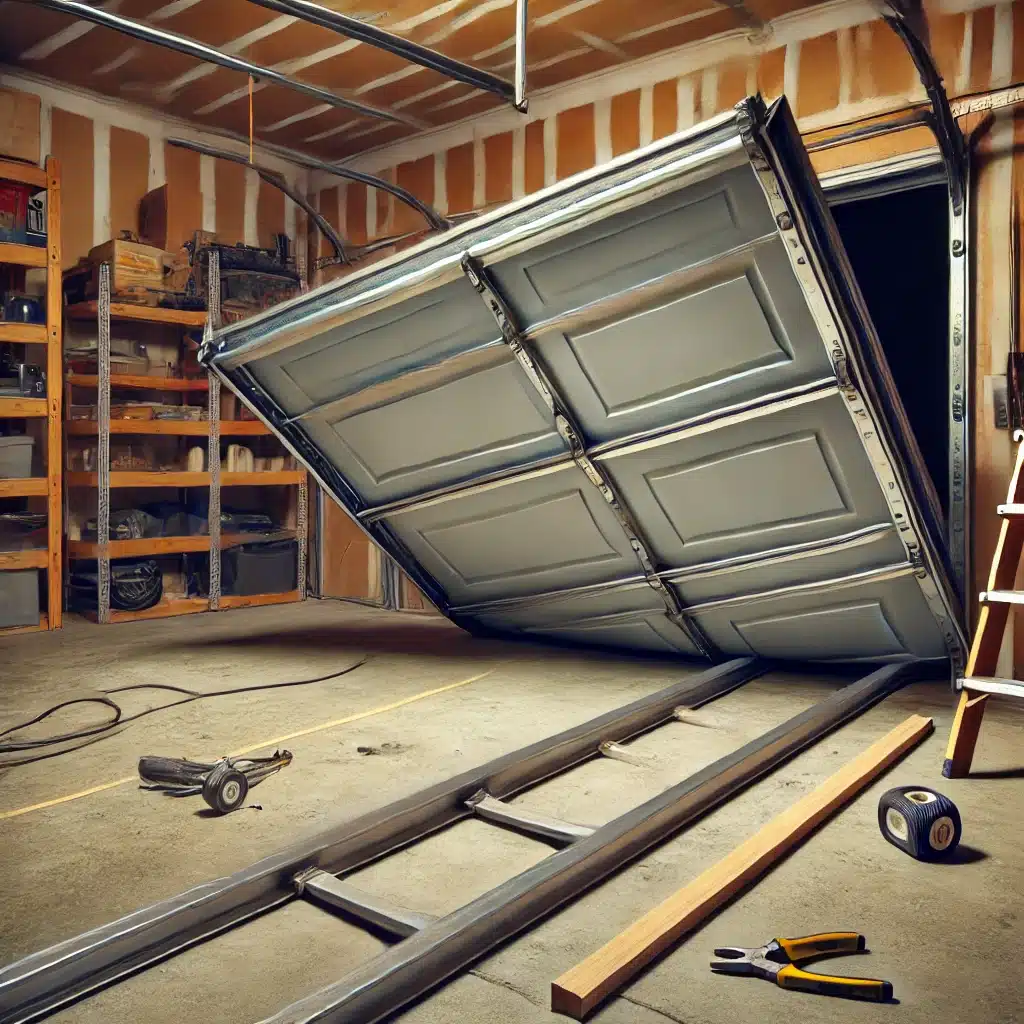
- Dirty, bent, or misaligned tracks
- Incorrect force or travel limit settings
- Worn-out springs or poor door balance
- Electrical or signal interference
Most of these issues are manageable when identified early, but ignoring them can lead to more serious repairs.
For more troubleshooting tips, check out the related guide Chamberlain Garage Door Opener Won’t Close? Try These Checks.
How a Chamberlain Garage Door Opener System Works
Understanding how the system operates makes it easier to identify why it reverses.
A Chamberlain opener uses a motor to move the garage door along tracks. It relies on several key components working together:
- Safety sensors: Detect objects in the door’s path
- Tracks and rollers: Guide smooth movement
- Springs: Support the weight of the door
- Force settings: Control how much resistance is allowed
- Travel limits: Determine how far the door moves
If any of these components are not functioning properly, the system may interpret it as a safety risk and reverse the door.
This behavior is not a flaw it is a built-in protection feature.
For a deeper look at related issues, explore the guide Why Does Chamberlain Garage Door Opener Stop Closing?.
7 Common Reasons Your Chamberlain Garage Door Opener Reverses
1. Misaligned or Blocked Safety Sensors
Safety sensors are the most frequent cause of reversing issues. These small devices are located near the bottom of the garage door tracks and send an invisible beam across the opening.
If the beam is interrupted, the opener immediately reverses the door.
In Anaheim, dust and debris often collect on the sensor lenses, which can interfere with their performance even when no object is present.
What to Check:
- Sensor lights should be steady, not blinking
- Sensors should face each other directly
- Lenses should be clean and clear
Why It Happens Often in Anaheim:
Dry conditions can cause dust to build up quickly, especially in garages that are frequently opened and closed.
Prevention Tip:
Clean the sensors regularly and avoid placing objects near them.
For more related troubleshooting insights, see Why Is Chamberlain Garage Door Opener Not Responding?.
2. Obstructions in the Door’s Path
Garage doors are designed to reverse when they encounter resistance. Even small objects can trigger this response.
Items such as tools, storage bins, or debris may partially block the door without being immediately noticeable. In some cases, hardened dirt or uneven flooring can also create resistance.
What to Check:
- The full path of the door inside and outside
- The bottom edge of the door
- The garage floor for debris or buildup
Real-World Insight:
Many reversing issues are caused by everyday clutter rather than mechanical failure.
Prevention Tip:
Keep the garage floor clear and maintain an organized space.
3. Dirty, Bent, or Misaligned Tracks
Tracks guide the garage door as it moves. When they are dirty or damaged, the door may not glide smoothly, causing resistance that triggers reversal.
Dust accumulation is common in Anaheim and can gradually affect track performance.
What to Check:
- Dirt or grease buildup inside the tracks
- Visible bends or gaps
- Unusual noises during operation
Important Note:
Cleaning tracks can help, but bent or misaligned tracks typically require professional adjustment.
4. Incorrect Force or Travel Limit Settings
Force and travel limit settings control how the garage door operates. If these settings are incorrect, the opener may stop and reverse even when no obstruction is present.
This issue often appears after power outages, accidental adjustments, or normal wear over time.
What to Check:
- The door reverses just before fully closing
- The door does not reach the ground consistently
Expert Insight:
Improper adjustments can worsen the problem and potentially damage the system.
5. Worn or Damaged Garage Door Springs
Springs are responsible for supporting the weight of the garage door. When they wear out, the opener must work harder to lift and lower the door.
This added strain can cause the system to reverse as a protective response.
What to Check:
- The door feels heavy when lifted manually
- Movement appears uneven or jerky
- Visible gaps or wear in the springs
Safety Reminder:
Spring repairs are dangerous and should only be handled by trained professionals.
6. Poor Door Balance or Worn Rollers
A balanced garage door should remain in place when lifted halfway. If it does not, the system may struggle to operate correctly.
Worn rollers can also create friction, leading to resistance and reversing issues.
What to Check:
- The door does not stay halfway when lifted
- Grinding or squeaking noises
- Uneven movement
Prevention Tip:
Regular inspection and lubrication help maintain smooth operation.
7. Electrical or Signal Interference
Electrical issues are less common but can still affect performance. Signal interference or wiring problems may interrupt the closing cycle and cause the door to reverse.
What to Check:
- Differences between wall control and remote performance
- Nearby devices that may interfere with signals
These issues may require professional diagnosis to resolve properly.
Anaheim-Specific Factors That Increase Reversal Issues
Garage doors in Anaheim are exposed to conditions that can increase wear and tear.
Dust and Debris
Frequent dust buildup can affect sensors, tracks, and moving parts.
Heat Exposure
High temperatures can cause metal components to expand, affecting alignment and performance.
Frequent Use
Busy households often use garage doors multiple times a day, leading to faster wear.
Because of these factors, consistent maintenance is especially important in Anaheim.
Step-by-Step Troubleshooting Guide
A structured approach can help identify the issue without unnecessary repairs.
Step 1: Check the Safety Sensors
- Ensure they are aligned and clean
- Look for blinking indicator lights
Step 2: Inspect the Door Path
- Remove any objects or debris
- Check for resistance along the floor
Step 3: Examine the Tracks
- Look for dirt or visible damage
- Listen for unusual sounds
Step 4: Test Door Balance
- Carefully lift the door halfway
- Observe if it stays in place
Step 5: Check the Remote and Power Source
- Replace batteries if needed
- Test wall control vs remote
These checks can often identify the problem quickly without requiring major repairs.
When to Call a Garage Door Professional
Some issues go beyond basic troubleshooting and require expert attention.
Call a professional if:
- Springs or cables appear damaged
- The door is off-track
- Electrical issues persist
- The opener repeatedly reverses without a clear cause
- The door feels unsafe or unstable
Average Cost Insight:
- Minor adjustments: low cost
- Component repairs: moderate investment
- Major replacements: higher investment
Professional service ensures safe and reliable operation.
How to Prevent Your Chamberlain Garage Door from Reversing
Preventive maintenance is the most effective way to avoid recurring problems.
Smart Maintenance Habits
- Keep safety sensors clean and aligned
- Lubricate moving parts regularly
- Inspect tracks and rollers for wear
- Test door balance periodically
- Keep the garage door path clear
Seasonal Maintenance Tip for Anaheim
- Increase cleaning frequency during dry, dusty periods
- Inspect components after heat waves
- Monitor performance during high-usage seasons
Consistent care helps extend the lifespan of the system and reduces unexpected issues.
Common Symptoms and What They Usually Mean
Understanding patterns can help identify the cause more quickly, especially in setups that also include equipment like dock levelers, where alignment and smooth operation are just as critical.
- Reverses immediately: Likely sensor issue
- Reverses near the floor: Travel or force settings
- Stops and reverses halfway: Track or obstruction problem
- Struggles before reversing: Spring or balance issue
Recognizing these signs can help narrow down the problem and prevent further complications.
Why Addressing the Problem Early Matters
Ignoring a reversing garage door can lead to more serious issues over time, especially when critical components like commercial garage door springs begin to wear or fail under repeated use.
Safety Risks
A malfunctioning door can pose a danger to people and property, particularly if high-tension springs are compromised.
Increased Repair Costs
Small issues can escalate into major repairs if left unaddressed, especially in systems that rely on heavy-duty spring components.
Shortened System Lifespan
Extra strain on parts such as springs, rollers, and openers can lead to premature wear and system failure.
Taking action early helps maintain safety, efficiency, and long-term performance.
Keep Your Chamberlain Garage Door Safe, Reliable, and Running Smoothly
A Chamberlain garage door opener that reverses is often responding to a safety concern rather than a major failure. Most causes, including sensor issues, obstructions, or minor wear, can be identified early with simple checks. This applies not only to residential systems but also to commercial rolling doors, which rely on similar safety mechanisms to ensure safe and consistent operation.
In Anaheim, environmental factors such as dust, heat, and frequent use make regular maintenance especially important. Staying proactive helps prevent recurring problems and ensures smooth, reliable operation across both residential and commercial setups.
When issues go beyond basic checks, professional service provides the safest and most effective solution. A well-maintained garage door system improves convenience, enhances safety, and supports long-term performance, making it an essential part of any home or business.
Professional Garage Door Service You Can Trust in Anaheim
For homeowners looking for dependable service, G & G Garage Door is known for delivering professional garage door solutions with a focus on safety, reliability, and long-term performance. From routine maintenance to complex repairs, experienced technicians ensure every system operates smoothly and efficiently. Contact us today or give us a call to schedule a service and keep your garage door working at its best.
Frequently Asked Questions
Can dirty sensors really cause the garage door to reverse?
Yes. Even a small amount of dust can block the sensor signal and trigger a reversal. For more details, visit The Spruce.
Why does the garage door reverse right before touching the ground?
This often points to incorrect travel limit or force settings that need proper adjustment.
Is it safe to keep using the door if it keeps reversing?
No. Repeated reversing can indicate a safety issue that should be addressed to prevent damage or injury.
How do you know if the garage door springs are causing the problem?
If the door feels heavy, uneven, or jerky, the springs may be worn and affecting performance.
Can weather in Anaheim affect garage door operation?
Yes. Dust, heat, and frequent use can impact sensors, tracks, and overall system alignment.
What is the most common cause of a reversing garage door?
Misaligned or blocked safety sensors are the most frequent cause.
Will a weak remote battery cause the door to reverse?
Not directly, but it can cause inconsistent signals that interrupt normal operation.
When should a professional be called for a reversing issue?
When springs, cables, tracks, or electrical components appear damaged or the problem persists after basic checks.
How can garage door reversing issues be prevented?
Regular maintenance, clean sensors, proper lubrication, and keeping the door path clear are the most effective steps.