



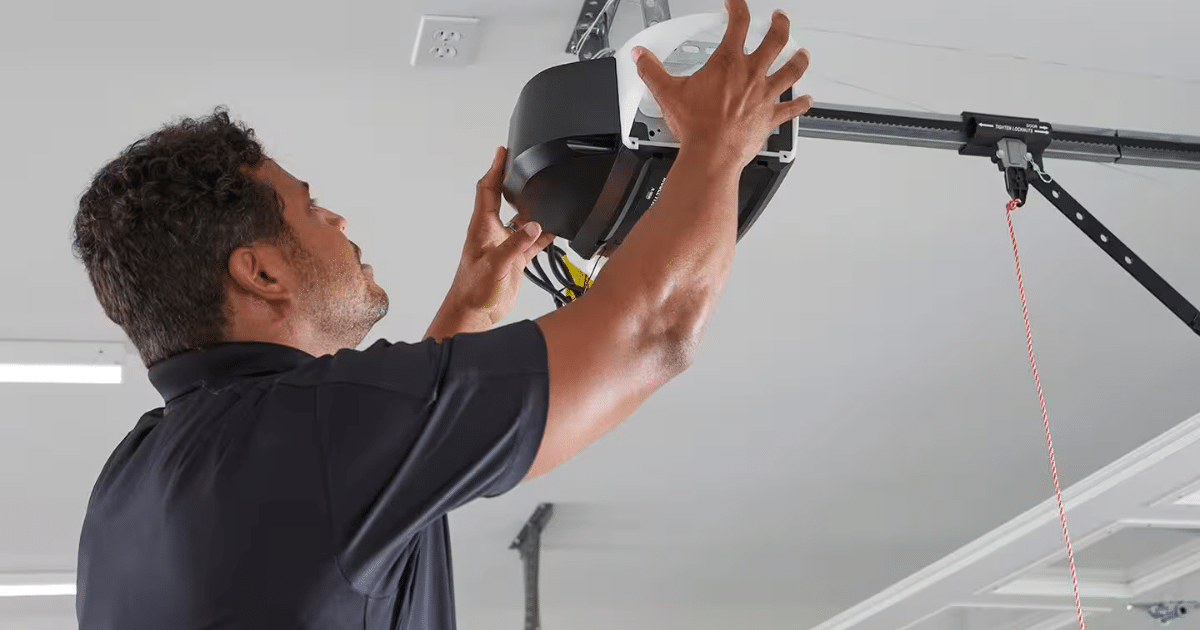
A garage door opener is something most homeowners rely on every single day without thinking twice. It quietly does its job until it suddenly doesn’t. When a Chamberlain garage door opener is not responding, it can quickly turn into a frustrating and inconvenient situation. This applies not only to residential systems but also to commercial openers, which are often used more frequently and under heavier demands, making consistent performance even more critical.
In a place like Anaheim, where homes and businesses often rely heavily on garage access for daily routines, a non-working opener can disrupt schedules, affect security and create unnecessary stress. Add in environmental factors like dust, heat and frequent use and it becomes clear why these systems need attention from time to time.
From an industry perspective, most non-responsive garage door issues are not major failures. In fact, many can be traced back to small, manageable causes that develop over time. This is especially true for both residential systems and commercial openers, where regular use can accelerate wear. Understanding these causes and knowing what to check can make a significant difference in maintaining performance and avoiding costly repairs.
Quick Answer: Why Your Chamberlain Garage Door Opener Is Not Responding
A Chamberlain garage door opener not responding is usually caused by one of the following:
- Dead or weak remote batteries
- Power supply interruptions
- Misaligned or blocked safety sensors
- Signal interference
- Faulty wall control panel
- Locked opener settings
- Worn-out internal components
These issues are common and often easy to identify with basic inspection.
For more related troubleshooting tips, check out the blog Chamberlain Garage Door Opener Won’t Close? Try These Checks.
How Chamberlain Garage Door Openers Work (Simple Explanation)
Understanding how a garage door opener works makes troubleshooting much easier.
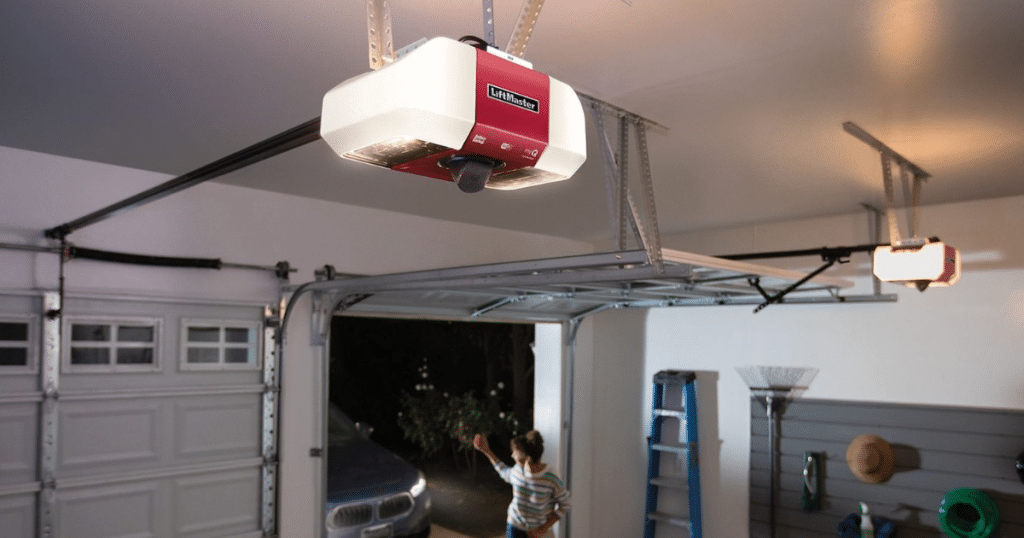
A typical garage door opener system includes:
- A motor unit that powers the door
- A remote control or wall panel that sends signals
- Safety sensors near the floor
- Tracks, springs and cables that guide movement
When the remote or wall panel is pressed, a signal is sent to the motor. If everything is functioning properly, the motor activates and moves the door smoothly along the tracks. The safety sensors ensure that nothing is blocking the door before it closes.
If any part of this system fails, whether electrical, mechanical, or environmental, the opener may stop responding entirely.
For deeper insight into closing issues, see the blogWhy Does Chamberlain Garage Door Opener Stop Closing?.
Top Reasons Your Chamberlain Garage Door Opener Is Not Responding
Dead or Weak Remote Batteries
One of the most common reasons for a non-responsive garage door opener is also the simplest: dead batteries.
Over time, batteries lose their charge, especially with frequent use. In busy households, this can happen faster than expected.
Signs to look for:
- The remote does nothing when pressed
- The range becomes shorter
- The response is delayed or inconsistent
What to check:
- Replace the batteries with fresh ones
- Test the remote at different distances
This quick step often resolves the issue immediately.
For related reversing issues, check out the blog What Causes Chamberlain Garage Door Opener to Reverse?.
Power Source Problems
If the opener has no power, it will not respond, no matter what is pressed.
In Anaheim, increased electricity usage during hot months can sometimes lead to tripped breakers or minor power interruptions.
Possible causes:
- The opener is unplugged
- A circuit breaker has tripped
- The outlet is not working
What to check:
- Confirm the opener is securely plugged in
- Inspect the breaker panel
- Test the outlet with another device
Power-related issues are often overlooked but easy to fix.
Misaligned or Blocked Safety Sensors
Safety sensors are designed to prevent accidents by stopping the door if something is in its path. However, when they are misaligned or blocked, the system may stop responding altogether.
In Anaheim, dust accumulation is a frequent cause of sensor issues.
Common signs:
- Blinking sensor lights
- Door refuses to close
- Intermittent operation
What to check:
- Clean the sensor lenses
- Ensure both sensors face each other
- Remove any obstructions
Remote Control Signal Interference
Wireless interference can disrupt communication between the remote and the opener.
Possible sources:
- LED lights
- Wi-Fi devices
- Nearby electronics
What to check:
- Try operating the door closer to the opener
- Turn off nearby devices temporarily
Signal interference is often subtle but can significantly affect performance.
Wall Control Panel Malfunction
Sometimes the issue is not with the remote, but with the wall-mounted control panel.
Signs:
- Wall switch does not respond
- Remote works normally
This may indicate wiring issues or a faulty panel that needs professional evaluation.
Locked Garage Door Opener (Vacation Mode)
Many Chamberlain openers include a lock feature that disables remote access.
Symptoms:
- Remote does not work
- Wall panel still functions
What to check:
- Look for a lock or vacation button
- Disable the feature if it is activated
This is a simple fix that is often overlooked.
Worn-Out Motor or Internal Components
Over time, internal components wear out due to repeated use.
In Anaheim households, frequent daily operation can accelerate this process.
Signs:
- Humming sound without movement
- Slower operation
- Inconsistent response
These issues often require professional inspection.
Faulty Logic Board or Electrical Issue
The logic board controls how the opener functions. When it fails, the system may behave unpredictably.
Common symptoms:
- Random operation
- No response at all
- Flashing lights without movement
Electrical issues should always be handled carefully to avoid further damage.
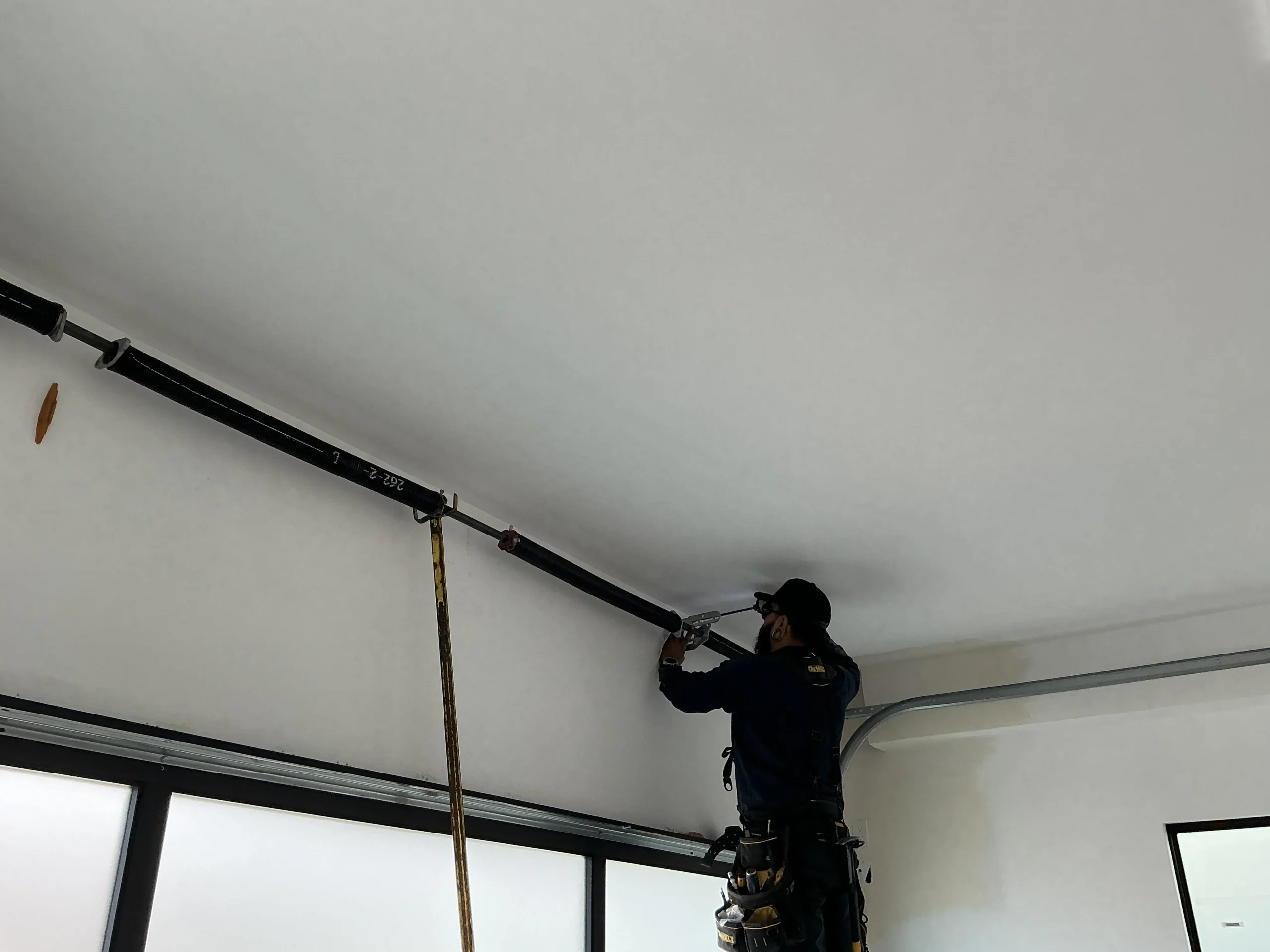
Broken Springs or Door Imbalance
Sometimes the opener is not the problem, the door itself is.
If the springs are broken or the door is unbalanced, the opener may not be able to lift it.
Warning signs:
- The door feels unusually heavy
- The door does not open fully
- Loud snapping noise
This is a serious safety issue and should not be handled without proper expertise.
Environmental Factors in Anaheim, CA
Local conditions in Anaheim play a major role in garage door performance.
Common factors:
- Dust affecting sensors and tracks
- Heat causing material expansion
- Frequent use increasing wear
These conditions make regular maintenance especially important.
What to Check First Before Calling a Professional
Before scheduling a service, a few quick checks can help identify the issue:
- Replace remote batteries
- Confirm the opener has power
- Inspect and clean safety sensors
- Test both remote and wall panel
- Look for visible obstructions
These steps can often resolve minor problems without further action.
Signs You Should Call a Professional Garage Door Technician
Some issues require expert attention to ensure safety.
Call a professional if:
- Springs or cables are damaged
- The door is off-track
- Electrical problems continue
- The opener makes unusual noises
- The system repeatedly fails
Professional service ensures the system is repaired correctly and safely.
Average Cost Insight for Repairs in Anaheim
Garage door repairs can vary depending on the issue and complexity.
- Minor adjustments: low cost
- Component repairs: moderate investment
- Major replacements: higher investment
Addressing problems early helps prevent more expensive repairs later.
How to Prevent Garage Door Opener Problems
Smart Maintenance Tips
Preventive maintenance is the best way to avoid unexpected failures.
- Keep safety sensors clean and aligned
- Replace remote batteries regularly
- Inspect components monthly
- Lubricate moving parts
- Avoid blocking the door path
Anaheim-Specific Maintenance Advice
Homeowners in Anaheim should take extra precautions:
- Clean dust buildup more frequently
- Monitor system performance during hot weather
- Schedule periodic professional inspections
These steps help extend the life of the system.
Expert Tips from Garage Door Professionals
Industry professionals recommend staying proactive rather than reactive.
- Test door balance periodically
- Pay attention to unusual sounds
- Avoid forcing the system to operate
- Upgrade outdated systems when needed, especially for high-demand systems connected to equipment like dock levelers
These practices improve long-term reliability and safety.
Common Mistakes Homeowners Make
Avoiding these mistakes can prevent unnecessary damage:
- Ignoring early warning signs
- Attempting unsafe DIY repairs, especially when dealing with high-tension components like commercial garage door springs
- Skipping maintenance routines
- Blocking sensor paths
Awareness is key to preventing bigger problems.
Fix the Issue Before It Gets Worse
A Chamberlain garage door opener not responding is often the result of small, manageable issues. Identifying the cause early can prevent more serious damage and ensure reliable operation. This is especially important for systems connected to commercial rolling doors, where reliability and consistent performance are critical for daily operations.
In Anaheim, environmental conditions and frequent use make regular maintenance essential. Staying proactive not only improves performance but also extends the lifespan of the system.
A properly functioning garage door opener is more than a convenience; it plays a key role in daily efficiency, safety and home security.
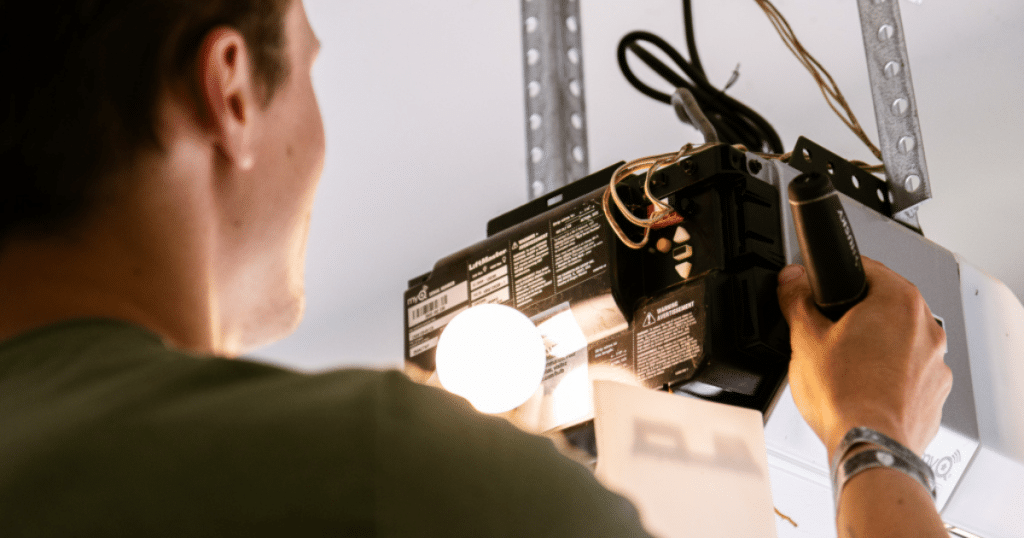
Trusted Garage Door Service You Can Count On
For homeowners looking for reliable and professional support, G & G Garage Door is known for delivering dependable garage door services backed by industry experience and a strong commitment to customer satisfaction. Whether dealing with persistent opener issues or routine maintenance, working with a trusted local expert can make all the difference. Contact us today or give us a call to schedule a professional inspection and keep your system running safely and smoothly.
Frequently Asked Questions
[sp_easyaccordion id=”10198″]