




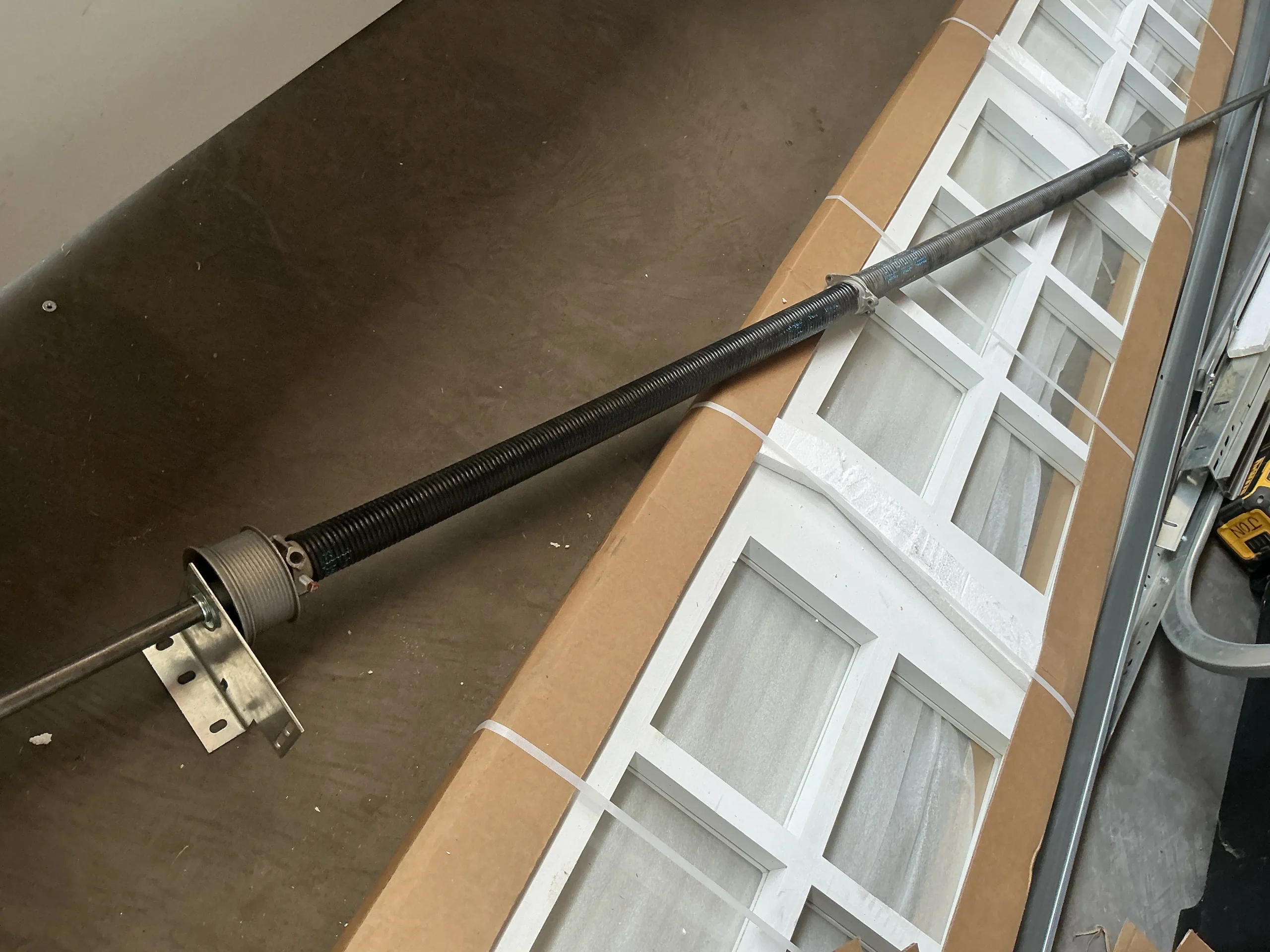
The torsion spring is the heavy-duty coil mounted above the garage door. It does the heavy lifting, literally. Every time the door opens or closes, the spring winds and unwinds to counterbalance the door’s weight. Without a working torsion spring, the garage door opener motor would burn out fast, or the door simply would not move at all.
For homeowners in Anaheim, CA, where warm weather, salt-tinged coastal air from nearby Orange County, and daily use are all factors, torsion springs take a real beating. Understanding what drives garage door spring replacement can save time, money, and a lot of frustration.
7 Main Causes of Garage Door Torsion Spring Replacement
1. Normal Wear and Tear (The Number One Cause)
Torsion springs are rated by cycles. One cycle equals one full open and one full close. Most standard springs are rated for 10,000 cycles. For a family that uses the garage four times a day, that works out to roughly seven years of use.
Once a spring hits its cycle limit, the metal fatigue builds up to a breaking point. There is no way around this. It is not a defect. It is just physics.
What to check: Look at the spring’s coils. If they appear stretched out, uneven, or have visible gaps, the spring is nearing the end of its life.
Prevention tip: Ask about high-cycle springs (rated for 25,000 to 50,000 cycles) when getting a replacement. The average cost upgrade is modest but extends the spring’s life significantly.
For a deeper look at what to watch for before a full failure, check out Garage Door Torsion Spring Replacement: Signs It Is Time to catch the warning signs early.
2. Rust and Corrosion
Anaheim sits close enough to the coast that moisture and salt air can creep into garages, especially in older homes with poor ventilation. Rust is a silent killer for torsion springs. It increases friction on the coils during movement and weakens the metal over time.
Corroded springs do not just wear out faster. They can snap without warning, which is a serious safety hazard.
What to check: Run a visual inspection of the spring every few months. Orange or brown discoloration on the coils is a red flag.
Prevention tip: Spray the spring with a garage door lubricant (not WD-40) two to three times per year. A proper silicone-based or lithium-grease spray keeps rust at bay and reduces friction.
Wondering if a corroded spring needs immediate attention? Read Is Garage Door Torsion Spring Replacement Urgent? to understand when waiting is no longer an option.
3. Poor Lubrication
An under-lubricated spring works harder with every cycle. The coils grind against each other slightly with each movement, slowly wearing down the metal. This shortens the spring’s life by thousands of cycles.
Many homeowners in Anaheim never touch their springs after installation. That oversight costs them replacement jobs every few years instead of every seven to ten.
What to check: Listen for squeaking or grinding sounds when the door moves. That noise often means the spring or other hardware needs lubrication.
Prevention tip: Lubricate the torsion spring, cables, rollers, and hinges every three to six months as part of routine maintenance.
Curious about how far a well-maintained spring can actually go? How Long Does Garage Door Torsion Spring Replacement Last? breaks down the lifespan expectations every homeowner should know.
4. Incorrect Spring Size or Tension
If a spring was installed with the wrong specifications, it works outside its designed parameters every single time the door moves. A spring that is too light for the door strains on every lift. A spring that is too tight puts unnecessary stress on the opener and cables.
This is a common issue in Anaheim homes where garage doors have been replaced or upgraded without updating the spring hardware to match.
What to check: If the door feels unusually heavy when manually lifted, or if the opener strains audibly, the spring tension may be off.
Solution: A licensed garage door technician can measure the door weight and recalibrate or replace the spring to the correct specifications. Do not attempt to adjust spring tension without professional training. The stored energy in a torsion spring is enough to cause serious injury.
5. Extreme Temperature Fluctuations
Anaheim generally enjoys mild weather, but temperatures can still swing between cool winter mornings and hot summer afternoons. Metal expands and contracts with these temperature changes. Over years of repeated thermal cycling, the spring metal becomes brittle and more prone to snapping.
Springs tend to break most often on cold mornings when the metal is at its least flexible. If a spring is already worn, a cold snap can push it over the edge.
What to check: Pay attention to whether the garage door struggles more on cold mornings. That could signal a spring that is nearing failure.
Prevention tip: Keep the garage insulated and ventilated. A garage door with proper weatherstripping reduces the temperature swings the hardware experiences.
6. Cables Coming Off the Drum
The torsion spring does not work alone. It works together with cables, drums, and pulleys to move the door smoothly. When a cable frays or slips off the drum, the spring takes on uneven stress. That imbalance accelerates wear and can cause the spring to snap prematurely.
This is one of the most overlooked causes of early torsion spring failure.
What to check: Look at the cables running along the sides of the door. Fraying, kinking, or cables that look slack or off-track are warning signs.
Prevention tip: Have a professional inspect the full garage door system, not just the spring, at least once a year. A full tune-up catches cable issues before they damage the spring.
7. DIY Adjustments Gone Wrong
This one comes up more than people expect. A homeowner notices the door is slow or noisy and decides to tighten or loosen the spring on their own. Without knowing the correct winding procedures, they either overtighten the spring (causing it to snap) or under-tension it (leaving the door unbalanced).
Garage door torsion springs are under extreme tension. Improper handling is genuinely dangerous. Every year, people suffer serious injuries from DIY spring adjustments.
What to check: If anyone has previously adjusted the spring on the door, have a professional verify the tension is correct.
Solution: Always hire a certified garage door technician in Anaheim for any spring-related work. The risk of serious injury from a DIY attempt is never worth it. A professional gets the job done safely, correctly, and with the right parts for the door.
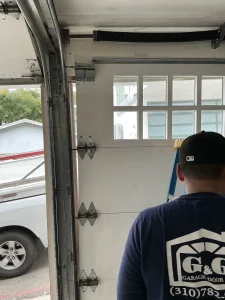
Signs Your Torsion Spring Needs Replacement Right Now
Do not wait for a full snap. These warning signs mean a replacement is coming soon:
- The door opens a few inches, then stops. This is the opener’s built-in safety shutting down because the spring cannot support the door’s weight.
- The door looks crooked or uneven when opening. One spring has failed in a two-spring system.
- A loud bang came from the garage. A snapping torsion spring sounds like a gunshot. If that noise happened, the spring is broken.
- The door feels extremely heavy when lifted manually. The spring is no longer counterbalancing the weight correctly.
- Visible gap in the spring coil. A broken spring has a clear separation in the coil. This is a definitive sign of failure.
How Long Do Torsion Springs Last in Anaheim?
Standard torsion springs last 7 to 9 years under normal residential use in Anaheim. High-cycle springs can last 15 to 20 years. Homes where the garage is the primary entry point go through cycles faster, so expect the lower end of those ranges.
Routine maintenance, proper lubrication, and annual inspections push those numbers higher.
Should Both Springs Be Replaced at the Same Time?
Yes. If the garage door has two torsion springs and one breaks, replace both. The surviving spring has gone through the same number of cycles as the broken one. It will fail soon. Replacing both at the same time saves on labor and avoids a second service call within months.
Why Hire a Local Anaheim Garage Door Expert?
A local Anaheim garage door technician understands the specific conditions homes in the area deal with, coastal humidity, heat cycles, and the age of the housing stock in neighborhoods like Anaheim Hills, West Anaheim, and the Platinum Triangle area. Whether the need is a full replacement or garage door spring repair, local professionals can also respond faster for emergency calls.
Look for a licensed, insured company with verifiable reviews on Google or Yelp. Ask if the technician is certified and whether the springs they install come with a warranty.
The Trusted Choice for Garage Door Repair in Anaheim
G & G Garage Door has built a strong reputation serving Anaheim homeowners with honest, reliable, and professional service. The team brings hands-on expertise, quality parts, and local knowledge that gets the job done right the first time. Contact us today or give us a call to schedule an inspection or same-day repair.