





Most homeowners do not think twice about garage door width until a new car barely fits through the opening or a garage door replacement arrives and does not match the rough opening. Getting the width right from the start saves time, money, and a lot of unnecessary frustration.
Whether you are planning a garage door replacement, upgrading to something wider, or planning a new garage build in Torrance, CA, this guide walks you through everything you need to know about garage door widths, from the most common standard sizes to larger specialty options like the 20-foot garage door.
Why Standard Garage Door Width Varies More Than You Think
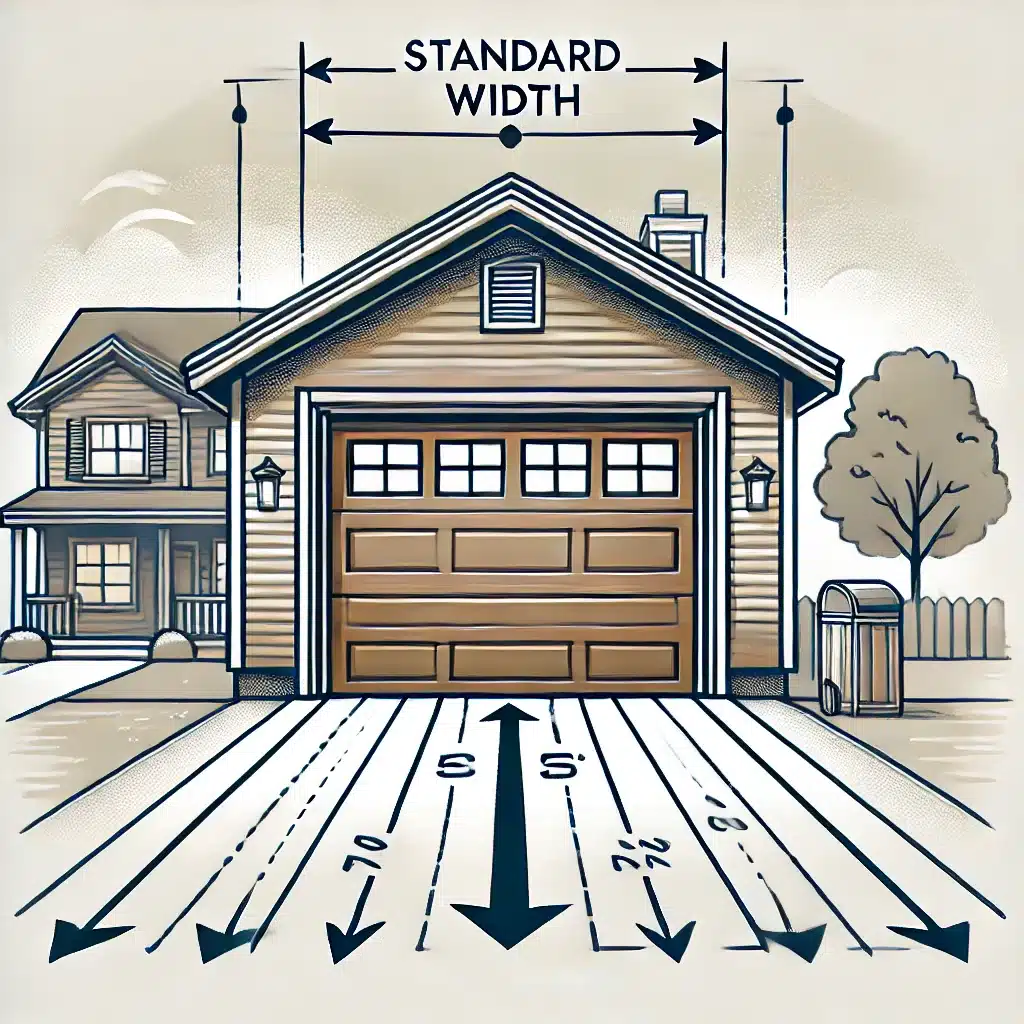
There is no single universal width that fits every home. The right size depends on your garage layout, the number of vehicles you park inside, and how much room you need to move around comfortably. That said, most residential garage doors fall within a predictable range.
For homeowners who also want to understand how height plays into their decision, our detailed breakdown in Garage Door Height Secrets Revealed: How to Choose the Perfect Size covers vertical clearance, headroom requirements, and height upgrade options.
- Single-car garages typically use doors between 8 and 10 feet wide
- Two-car garages most commonly use doors between 16 and 18 feet wide
- Older homes in areas like Torrance often have 8-foot single doors that no longer accommodate modern vehicles comfortably
- Newer builds tend to use 9-foot or 10-foot single doors as a standard because today’s vehicles are wider
Tip: Measure your rough opening before comparing door sizes. The rough opening is the actual gap in your wall frame, which is often slightly larger than the door currently installed.
Standard Garage Door Width Options: A Breakdown by Use
Understanding which width category fits your situation makes the selection process much easier. Here is a practical breakdown of the most common residential garage door widths and what each one is best suited for:
- 8 ft wide: Found on many older homes. Works for compact cars, but leaves little room for wider modern vehicles or comfortable entry and exit
- 9 ft wide: The most popular single-car upgrade. Provides a few extra inches of clearance that makes a noticeable difference for trucks and crossovers
- 10 ft wide: Ideal for full-size trucks, oversized SUVs, or homeowners who want extra room to move around their vehicle inside the garage
- 16 ft wide: The standard two-car width for most suburban homes. Fits two average-sized vehicles side by side
- 18 ft wide: A wider two-car option that gives more comfortable clearance, especially if both vehicles are trucks or SUVs
If you are working with a single-car opening and want a full comparison of dimensions, our guide on Garage Door Guide: How Wide Is a Single Door goes deeper into single-door sizing, clearance tips, and what to check before ordering.
The 20 Foot Garage Door: When Standard Sizing Is Not Enough
A 20-foot garage door is not something you see on every street, but it is more common than most homeowners expect. In parts of Torrance, CA, where lot sizes allow for larger builds, this size comes up regularly in three-car garages, RV storage setups, home workshops, and oversized two-car configurations where both vehicles are large.
Before ordering a 20 ft wide garage door, there are several things to check:
- Your wall framing must support the wider span, which often requires a reinforced structural header above the opening.
- The garage door opener must be rated for a heavier and wider door.
- Spring tension requirements increase significantly with width, so standard spring hardware will not work.
- Garage door installation at this size should always be handled by a trained technician, not attempted as a DIY project.
- A 20×10 garage door configuration, which adds extra height, is common for homeowners with RVs, lifted trucks, or high-clearance vehicles.
Tip: If your framing was built for a standard 16-foot or 18-foot door, widening to 20 feet will require structural work. Have a professional assess your opening before placing any order.
Large Garage Door Sizes: What Qualifies and What It Takes
Large garage door sizes generally start at 18 feet and go up from there. These doors are not just wider. They are heavier, require more robust hardware, and place greater demands on your garage structure. Here is what falls under the large door category for residential use:
- 18 ft: The entry point for large residential doors. Common in newer homes with two-car garages that prioritize comfort over minimum clearance
- 20 ft: Used for three-car garages, oversized double bays, and RV or boat storage. Requires reinforced framing and heavy-duty hardware
- 24 ft and wider: Rare in residential settings but used for custom builds, large workshop spaces, or mixed-use properties
According to the Door and Access Systems Manufacturers Association, proper installation of large residential garage doors requires load calculations that go well beyond standard residential door specs. Skipping a structural assessment before installing a large door is one of the most common and expensive mistakes homeowners make.
Tip: In Southern California, large garage doors may also need to meet specific wind load ratings depending on your local building code. Ask your installer before purchasing.
Average Width of Garage Door by Home Age and Type
The average width of a garage door in a given home often reflects when it was built and what vehicle sizes were common at that time. Here is a general breakdown:
- Pre-1980 homes: Typically have 8-foot single doors or 15-foot double doors, both of which are narrower than modern standards
- 1980 to 2000 homes: Most commonly have 16-foot double doors or 9-foot single doors
- 2000 and newer: More likely to feature 18-foot double doors or 10-foot single doors as builders accounted for larger vehicles
- Custom or large-lot builds: Often have 20-foot or wider openings designed around specific vehicle or storage needs
Homeowners in older parts of Torrance, CA, sometimes find that their existing garage opening is simply too narrow for their current vehicle. Widening an opening is possible, but it does require framing work and a professional assessment first.
Width of Garage Doors: How to Measure Your Opening Correctly
Ordering the wrong size is almost always the result of measuring incorrectly. Here is how to get an accurate measurement before you order:
- Measure the width of the rough opening at its widest point, from inside edge to inside edge of the framing
- Measure in at least three places, top, middle, and bottom, because openings are not always perfectly square
- Record the smallest measurement as your usable width
- Check your side room on both sides. Standard hardware requires at least 3.75 inches on each side
- Inspect the condition of the framing itself. Rotted or damaged wood will need to be repaired before a new door can be installed properly
According to the U.S. Department of Energy’s guidance on doors and energy efficiency, a garage door that does not fit its opening correctly can also affect your home’s energy efficiency by allowing air infiltration, which is especially relevant in a climate like Torrance, where temperatures can shift significantly between seasons.
Tip: If you can see daylight around the edges of your current door or feel drafts inside the garage, the door may already be the wrong size or improperly installed. Have a technician inspect it before assuming a simple replacement will solve the problem.
Garage Doors Standard Sizes: A Quick Reference for Homeowners
Here is a summary of the most common garage door dimensions used in residential installations:
- Single car, compact: 8 x 7 ft
- Single car, standard: 9 x 7 ft
- Single car, modern clearance: 9 x 8 ft or 10 x 8 ft
- Double car, standard: 16 x 7 ft
- Double car, comfortable clearance: 18 x 7 ft or 18 x 8 ft
- Oversized double or three-car: 20 x 7 ft, 20 x 8 ft, or 20 x 10 ft
The width of garage doors can vary slightly between manufacturers, even within the same nominal size. Always confirm exact dimensions with your supplier and cross-check against your rough opening measurements before placing a final order.
Common Width Mistakes and How to Avoid Them
Even careful homeowners run into these problems when choosing a replacement or new garage door:
- Ordering based on the old door’s size rather than the actual rough opening measurement
- Forgetting to account for the side room needed by the track and hardware
- Assuming a wider door will fit without checking the structural header
- Choosing a door width based on looks alone, without considering vehicle size
- Not having a professional inspect the framing before ordering a larger door
Each of these mistakes can result in delays, additional repair costs, or a door that simply does not operate correctly. When in doubt, bring in a trained technician to assess your space before committing to a size.
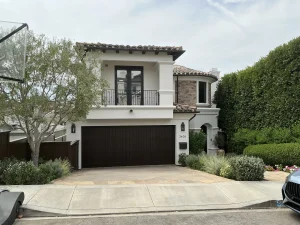
The Right Width Makes All the Difference
Choosing the correct garage door width comes down to knowing your opening, understanding your vehicle needs, and having accurate measurements before you order anything. Whether you are working with a standard single-car setup or planning a larger installation, taking the time to get the sizing right is always worth it.
If you are in the Torrance, CA area and want a professional assessment before making your decision, G & G Garage Door is ready to help. Our team inspects your space, takes precise measurements, and walks you through the right options for your home. Contact us or give us a call to schedule your consultation today.