




Most homeowners think about security after something goes wrong. A break-in, a trespasser, or an incident with a neighbor’s property is often what pushes people to take a closer look at what is actually protecting the boundary of their home. That boundary protection starts with a perimeter fence.
But what is perimeter fencing, exactly? It is more than just a line of posts and panels around your yard. A perimeter fence is your property’s first line of defense. It defines your space, controls access, deters unwanted visitors, and when done right through professional fence installation, it works together with your gates and security systems to create a complete protective barrier.
If you live in Torrance, CA, where residential neighborhoods sit close together and property security matters, understanding what perimeter fencing is and how to choose the right type can make a real difference in your peace of mind and your property value.
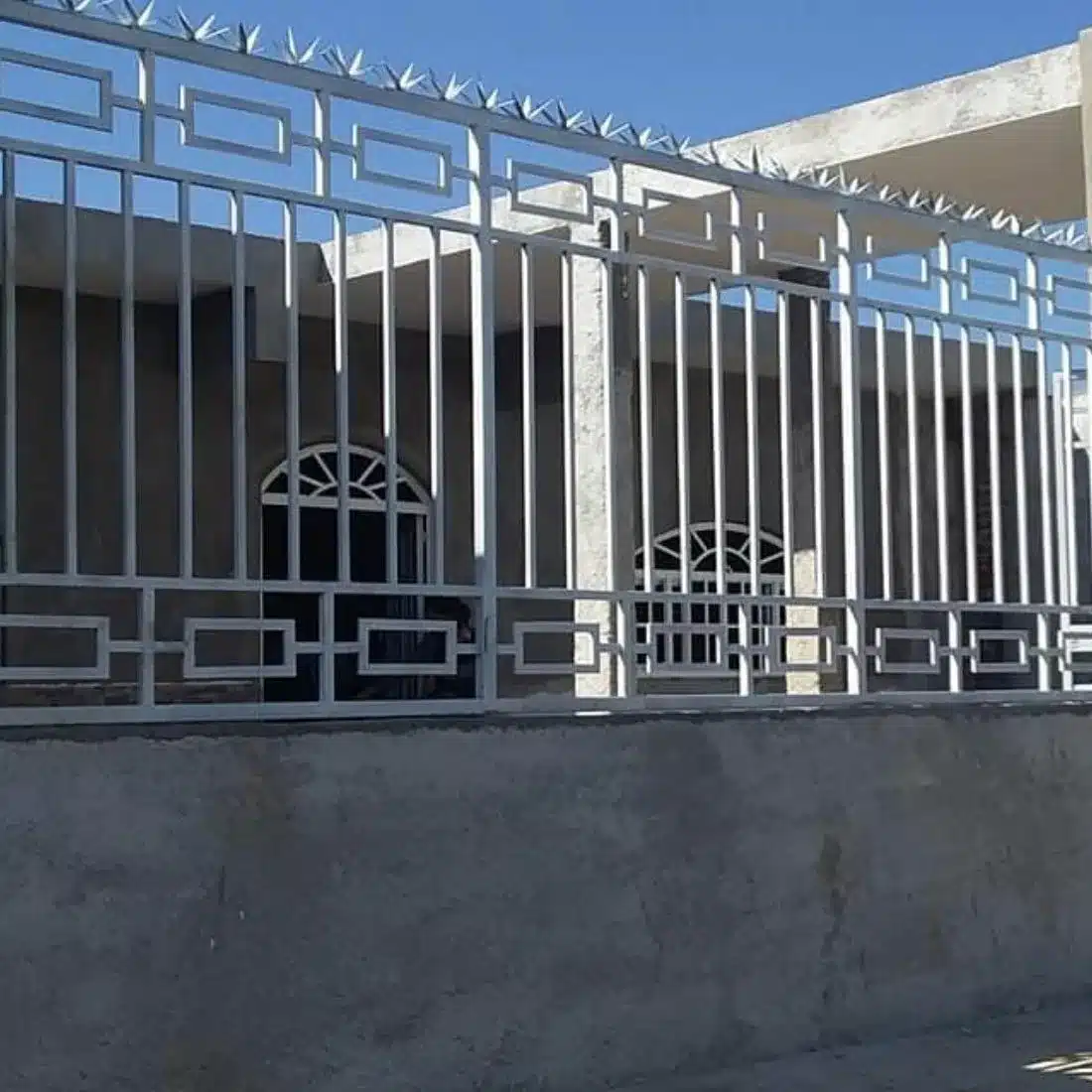
What Is Perimeter Fencing and Why Does It Matter?
A perimeter fence is any barrier that encloses the outer boundary of a property. It can be made from wood, steel, aluminum, chain link, vinyl, or masonry, and it can range from a simple decorative boundary to a high-security barrier with anti-climb features and surveillance integration.
The purpose of a perimeter fence goes beyond keeping people out. It also:
- Establishes clear property lines so there is no confusion between neighboring lots.
- Creates a visual deterrent that discourages unauthorized entry before anyone even tries.
- Provides privacy so your family can use your outdoor space without feeling exposed.
- Supports other security systems like cameras, motion lights, and automated gates.
- Adds curb appeal and can increase the overall value of a property.
For homeowners and business owners alike, what is perimeter fencing really comes down to this: it is a layered security tool that works best when combined with access control, proper lighting, and a reliable gate system.
Types of Perimeter Fences: Choosing the Right One for Your Property
Not all perimeter fences are built for the same purpose. The right choice depends on your security needs, your budget, and the look you want for your property. Here is a breakdown of the most common types used in residential settings.
Chain Link Fencing
Chain link is one of the most affordable and widely used options for perimeter fencing. It is durable, low-maintenance, and allows visibility through the fence, which can be a security advantage or a drawback depending on your situation. It works well for enclosing large areas and is commonly used for side yards, back lots, and commercial perimeters.
Steel and Wrought Iron Fencing
Steel and iron fencing offer strong visual deterrence and excellent durability. These fences are harder to cut through or scale than chain link, and they tend to complement the look of higher-end residential properties. They do require periodic maintenance to prevent rust, particularly in coastal areas like Torrance.
Wood Privacy Fencing
Wood fences are popular for residential backyards because they offer full privacy and a natural look. They are not the strongest security option since they can be climbed or damaged more easily than metal, but they are effective at creating a private, enclosed outdoor space.
Aluminum Fencing
Aluminum is a lightweight, rust-resistant option that looks similar to wrought iron but costs less and requires almost no maintenance. It is a practical choice for homeowners who want a clean, attractive perimeter fence without the upkeep demands of steel or wood.
Concrete and Masonry Walls
For maximum security and privacy, nothing beats a solid masonry wall. These are the hardest to breach and the most permanent option. They are also the most expensive, but for high-value properties or commercial sites, the investment is often worth it.
Vinyl Fencing
Vinyl is a low-maintenance material that holds up well against weather and does not rot or rust. It is available in privacy, semi-privacy, and picket styles. While it is not as strong as steel, it provides a clean look and works well for residential boundary marking.
Key Security Features to Look for in a Perimeter Fence
A perimeter fence is only as effective as its design and installation allow. When evaluating options, there are specific security features worth prioritizing.
Height
Taller fences are harder to scale. For residential security, a minimum height of six feet is generally recommended. For higher-risk properties, eight feet or more may be appropriate.
Anti-Climb Features
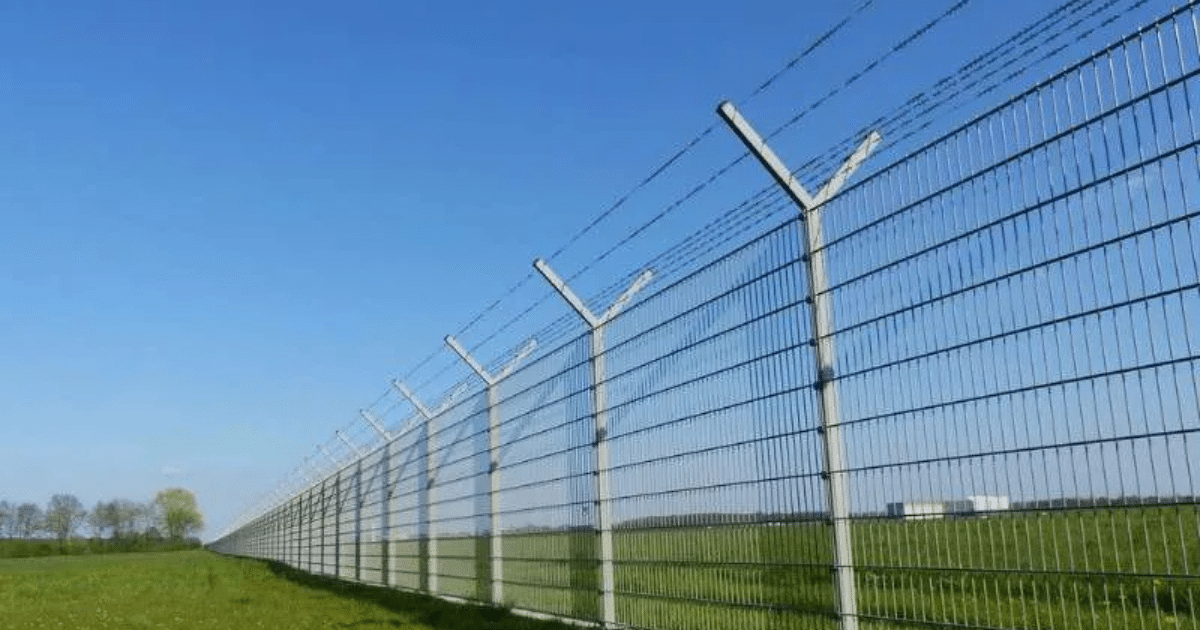
Some fences include pointed tops, roller bars, or angled extensions at the top of the fence line to prevent climbing. These features are more common in commercial settings, but can be added to residential fencing where needed.
Ground Clearance
The gap between the bottom of the fence and the ground matters more than most homeowners realize. A large gap allows for easy crawling underneath. Ideally, the fence should sit close to the ground or have a concrete footer that closes that gap entirely.
Material Strength
Thicker gauge steel and welded construction are harder to cut through than thin or hollow materials. If security is the priority, do not compromise on material quality to save on installation cost.
Visibility vs. Privacy
Open fences like chain link and wrought iron allow you to see what is happening outside your property. Solid fences like wood and masonry block that obstruct the sightline. Both approaches have security trade-offs, and the right balance depends on your specific property and neighborhood.
How Perimeter Fencing Works With Your Gate System
A perimeter fence without a proper gate is like a security system with the front door left open. The gate is where most unauthorized access happens, which means it needs to be at least as strong as the fence it connects to.
In Torrance, CA, many residential properties combine a perimeter fence with an automated gate at the driveway entrance. This setup controls vehicle access while the fence handles foot traffic boundaries. When these two systems are well-matched in height, material, and security features, they create a consistent and reliable barrier around the entire property.
For homeowners considering how to fully integrate perimeter security with gate access, Sliding Gate Components: Key Parts, Security & Maintenance Tips covers the hardware and maintenance details that keep the gate side of your security system functioning properly.
Key things to align between your fence and gate:
- Height consistency: The gate should match the height of the fence so there is no weak point at the entry.
- Material compatibility: Mixing steel fencing with a lightweight aluminum gate creates a mismatched security level at the entry point.
- Gap control: The same ground clearance rules that apply to the fence apply to the gate as well.
- Lock quality: A strong gate with a weak lock defeats the purpose of the entire perimeter system.
What Is Perimeter Fencing for Commercial Properties? Key Differences From Residential
Commercial perimeter fencing operates under a different set of requirements than residential fencing. The scale is larger, the security demands are typically higher, and the fence may need to comply with local zoning regulations or industry-specific safety standards.
For commercial properties in Torrance, common perimeter fencing choices include:
- High-security chain link with barbed wire or razor wire at the top for industrial sites.
- Steel palisade fencing, which uses vertical steel stakes with pointed tops to deter climbing.
- Anti-ram barriers for properties that need protection against vehicle intrusion.
- Automated access points integrated directly into the fence line for controlled entry and exit.
The core principle of perimeter fencing remains the same for commercial use: define the boundary, control access, and deter unauthorized entry. The execution is simply more robust.
Effective perimeter security for commercial properties combines physical barriers with electronic detection to create a multi‑layered defense system. For additional guidance on perimeter‑security best practices and how to design a layered approach, a security‑engineering overview of perimeter protection for businesses explains how fencing, access control, and detection systems work together to secure sites.
Perimeter Fence Maintenance: What to Check and When
A perimeter fence that is not maintained is a security liability. Damage, rust, loose posts, and failing hardware all create weak points that undermine the fence’s entire purpose. Here is a practical maintenance routine for homeowners.
Monthly Checks:
- Walk the full perimeter and look for any sections that are leaning, bowing, or pulling away from the posts.
- Check gate hinges and latches for rust or stiffness.
- Clear any vegetation growing against or through the fence, as roots and vines accelerate structural damage.
Every Six Months:
- Inspect all post connections at the base. Ground contact is where most fencing failures begin, especially for wood and untreated steel.
- Check for rust on metal fencing and treat any bare spots with rust-inhibiting primer.
- Tighten any loose fasteners along the fence line.
Annually:
- Have a professional inspect the full fence and gate system, including underground post conditions if accessible.
- Repaint or re-coat metal sections as needed.
- Review whether the fence still meets your current security needs or if an upgrade is warranted.
Tips to avoid common problems:
- Keep sprinklers from spraying directly onto metal fencing. Constant water exposure speeds up corrosion even on powder-coated surfaces.
- After a storm, check for any panels that shifted or posts that heaved due to ground movement.
- Do not hang items on the fence. Even moderate added weight over time causes bowing and weakens the post connections.
Local Considerations for Perimeter Fencing in Torrance, CA
Installing or upgrading a perimeter fence in Torrance involves a few local factors worth knowing before you start.
Permit Requirements Fences over a certain height typically require a building permit in Torrance. The standard threshold is often six feet for rear and side yard fences and a lower limit for front yard installations. Always check with the City of Torrance Building and Safety Division before installation to avoid code violations.
HOA Rules Many neighborhoods in Torrance fall under homeowners association guidelines that specify approved fence materials, colors, and heights. Review your HOA documents before choosing a fence style to avoid costly changes after installation.
Coastal Weather Considerations Torrance is close to the coast, which means salt air is a real concern for metal fencing. Stainless steel, aluminum, or properly sealed and powder-coated steel are the best choices for properties that face coastal exposure. Untreated iron or bare steel will rust noticeably faster in this environment.
Soil Conditions Torrance has areas with expansive clay soils that shift with moisture changes. This movement can cause fence posts to heave over time. When installing new fencing, using concrete footings that extend below the frost line and expand zone helps prevent post movement.
For properties with automated gate systems attached to the fence line, the type of opener matters as much as the fence itself. Complete Guide to Dual Swing Gate Openers for Smooth and Secure Operation walks through the key considerations for choosing and maintaining gate openers that complement your perimeter security setup.
Signs Your Perimeter Fence Needs Repair or Replacement
Knowing when to repair versus when to replace is one of the more practical decisions a homeowner faces with perimeter fencing. Here are the signs that action is needed.
Repair when you notice:
- A single section is leaning or pulling away from a post while the rest of the fence is solid.
- Surface rust or peeling paint on metal sections that have not yet reached the structural layer.
- A gate that sags slightly but still operates within the existing hardware.
- Loose fasteners or minor damage from debris impact.
Replace when you notice:
- Widespread rust that has eaten through the metal surface on multiple panels.
- Multiple posts that are soft, rotting, or heaving at the base.
- A fence that no longer meets the height or security standard your property needs.
- Damage from a vehicle impact that has compromised the structural integrity of a section.
Most perimeter fences last between 15 and 30 years, depending on material and maintenance. Metal fencing tends to outlast wood when properly maintained, and aluminum is particularly long-lasting in coastal environments like Torrance.
According to the American Fence Association, routine professional inspections every one to two years are one of the most effective ways to catch early‑stage problems before they become full‑scale replacements. More information on fence maintenance and inspection standards is available through the AFA’s industry standards overview.
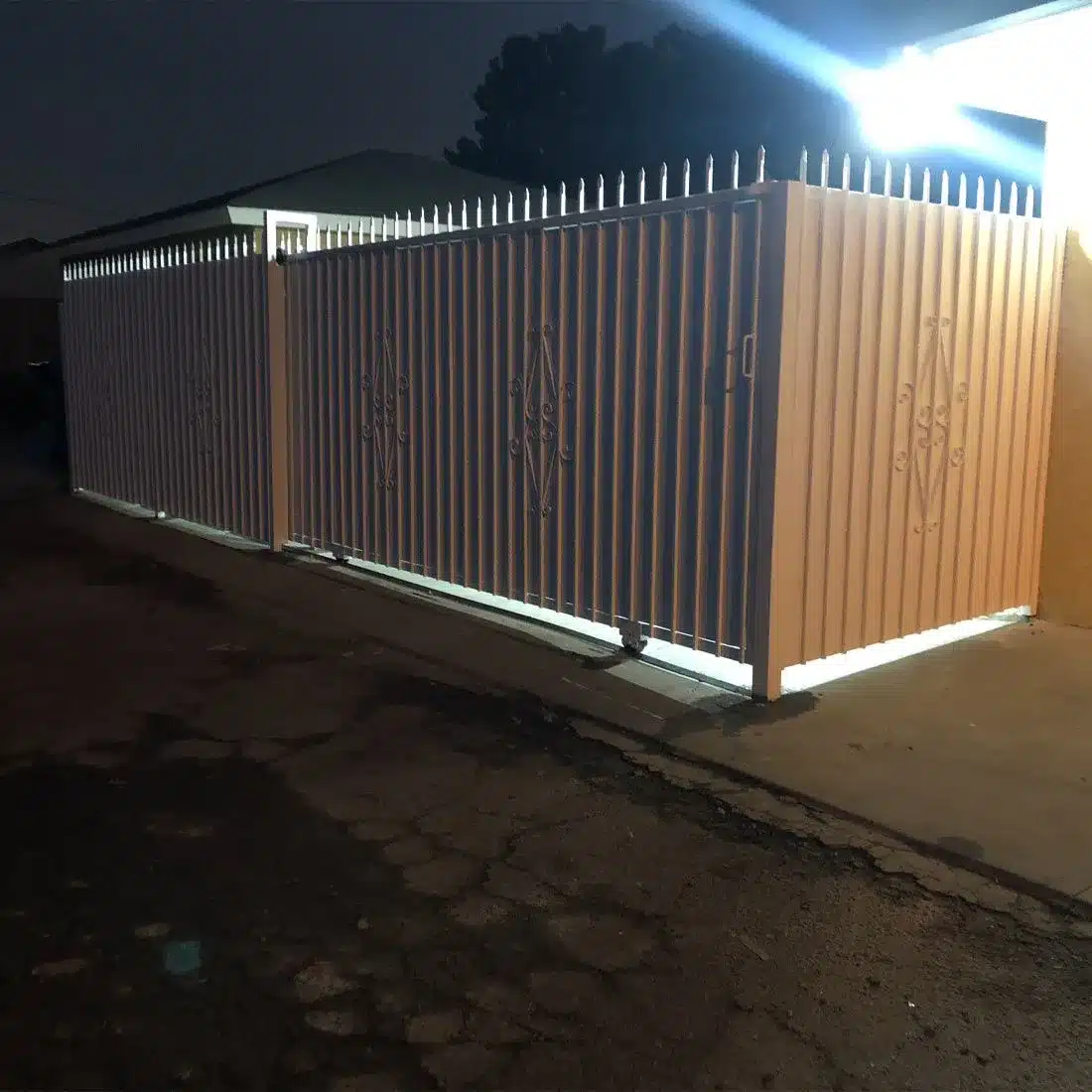
Protect Your Property With the Right Perimeter Solution
A solid perimeter fence does more than mark your property line. It sends a clear message to anyone approaching your home that access is controlled and security is taken seriously. From choosing the right material for your neighborhood in Torrance to keeping the fence in good condition year after year, every decision you make adds up to a stronger, more reliable security barrier.
Taking a proactive approach to your perimeter fencing means fewer surprises, lower repair costs over time, and a property that looks well-maintained and cared for from the street.
When your fence or gate system needs professional attention, G&G Garage Door is ready to help. Our team works with homeowners across Torrance, CA to inspect, repair, and upgrade gate and perimeter security systems that actually hold up. Contact us or give us a call to get started with a service visit and protect what matters most.