





If your garage door suddenly stops working, the first question that comes to mind is usually: how long is this going to take? Whether you are dealing with a broken spring, a door that will not open, or worn-out hardware, the repair timeline varies depending on what is wrong and who is doing the work.
Most homeowners in Torrance, CA, and the surrounding South Bay area want a quick, reliable answer. The truth is, some garage door repairs take less than an hour, while others may need a same-day or next-day appointment depending on parts and the complexity of the job. This guide breaks it all down so you know what to expect before a technician arrives at your door.
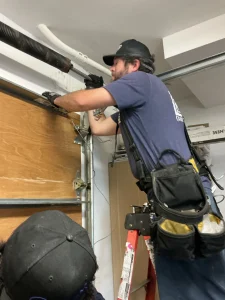
What Affects How Long a Garage Door Repair Takes?
Not all garage door problems are the same. The time it takes to complete a repair depends on several key factors:
- Type of repair needed: A simple sensor adjustment takes minutes. A full spring replacement or cable repair takes longer and requires more skill.
- Parts availability: If the technician has the right parts on their truck, the job moves faster. Special-order parts can add time.
- Door size and weight: Larger or heavier doors, like those on two-car garages, often require more labor and time.
- Age and condition of the door: An older door with multiple worn components may take longer because additional issues can be found during the repair.
- Access and workspace: A cluttered or tight garage can slow down even the most experienced technician.
Understanding these variables helps set realistic expectations and avoid surprises on the day of your appointment.
How Long Does It Take to Replace Garage Door Springs?
Spring replacement is one of the most common garage door repairs. When homeowners search for how long it takes to replace garage door springs, they usually want to know if they can get it done in a single visit, and in most cases, the answer is yes.
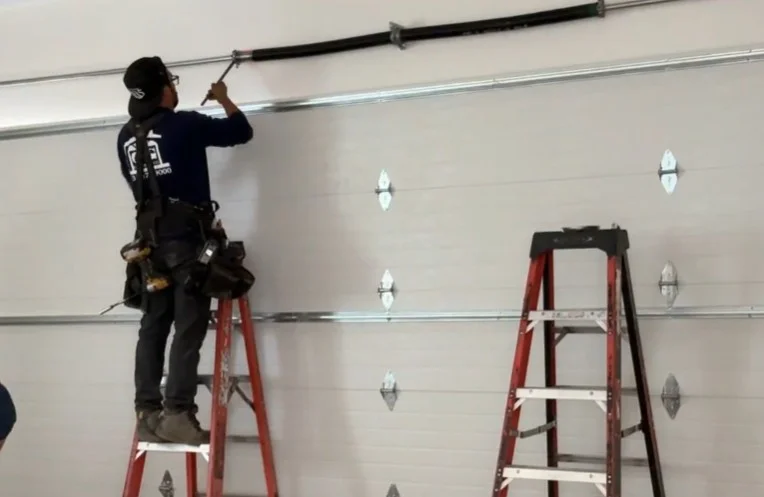
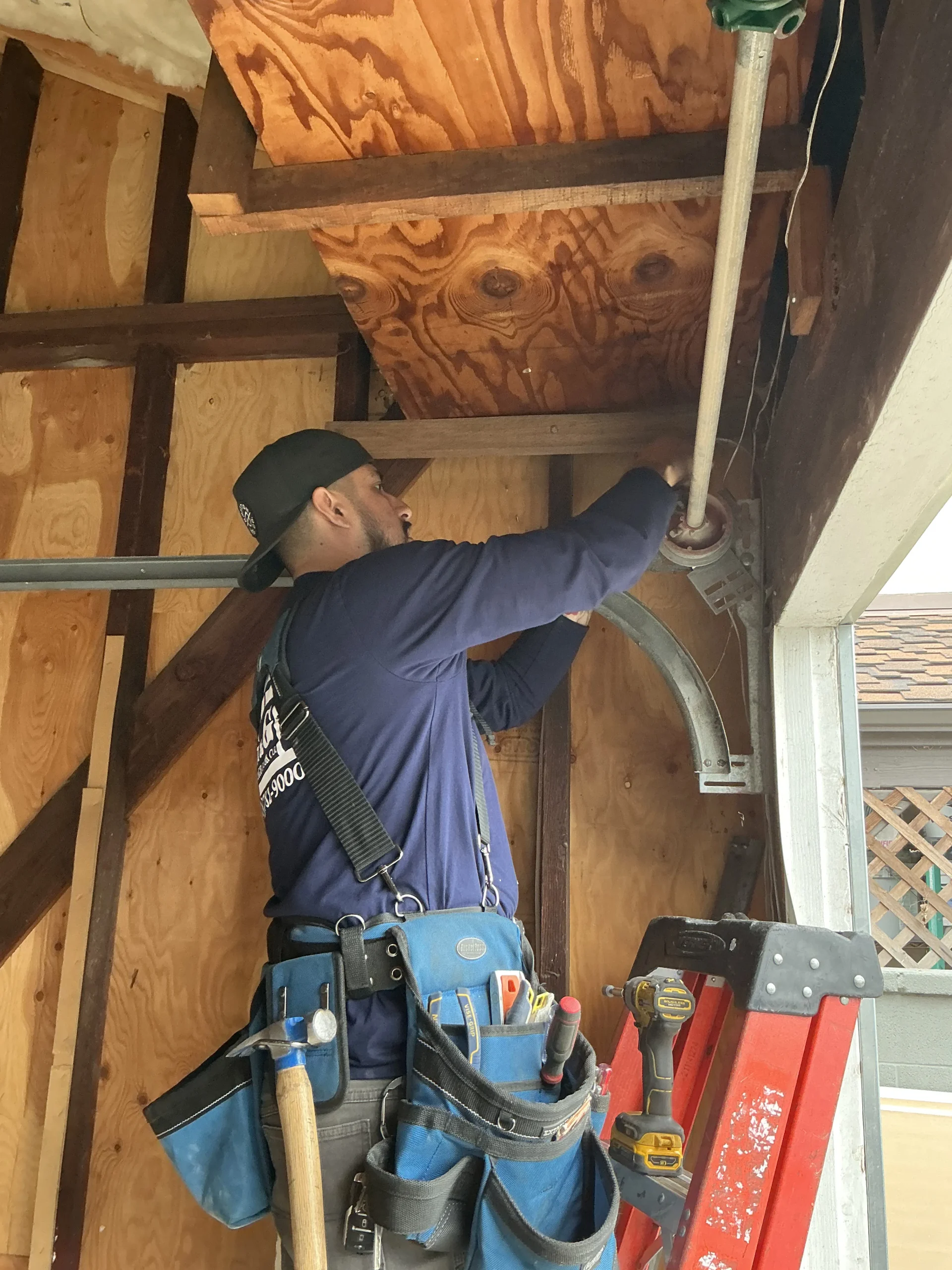
On average, a professional technician can complete a standard torsion spring replacement in about 1 to 2 hours. This includes removing the old springs, installing the correct replacements, and testing the door balance and operation. Extension spring systems, which are common on older or lighter garage doors, can sometimes be completed faster, typically within 45 to 90 minutes.
Several things can push that time higher:
- Both springs need replacing at the same time, which is actually recommended even if only one has broken
- The cable drums or end bearings show wear and should be addressed during the same visit
- The door needs to be rebalanced or realigned after the spring work
- Access to the spring hardware is limited due to how the garage is set up
If you want to understand what can cause your door to stop moving correctly in the first place, How to Fix a Garage Door That Gets Stuck Halfway: Step-by-Step Guide provides a closer look at what happens when spring tension and other components fall out of balance.
Repair Time by Type of Garage Door Issue
Different problems come with different timelines. Here is a general breakdown of how long common repairs typically take when handled by a trained technician:
Broken or Worn Springs
- Torsion spring replacement: 1 to 2 hours
- Extension spring replacement: 45 to 90 minutes
- Full spring system overhaul (both springs, cables, and hardware): 2 to 3 hours
Cable Issues
- Single snapped cable: 30 to 60 minutes
- Both cables replaced: 60 to 90 minutes
Sensor and Safety Eye Problems
- Sensor realignment or cleaning: 15 to 30 minutes
- Sensor replacement: 30 to 45 minutes
Roller and Track Repairs
- Roller replacement: 45 to 75 minutes
- Track realignment: 30 to 60 minutes
- Full track replacement: 1.5 to 2.5 hours
Opener Repairs and Replacements
- Opener repair: 30 to 60 minutes
- Full opener replacement: 1.5 to 3 hours, depending on model and wiring
What Is a Realistic Fastest Garage Door Repair Response Time?
When a garage door fails in the middle of your morning routine, every minute counts. The fastest garage door repair response time in most service areas, including Torrance, CA, is typically same-day service when you call early in the day. Many reputable companies offer morning dispatch with a technician on-site within 2 to 4 hours of your call.
Emergency or after-hours service is also available through some providers, though availability may vary, and costs can be higher outside of standard business hours. If your door is stuck open and security is a concern, that is when same-day emergency service becomes especially important.
Here are a few things that affect response time in your area:
- How close is the nearest dispatch location to your home
- Whether the required parts are stocked on service vehicles
- Time of day and current schedule availability
- Whether it is a weekend, holiday, or peak service period
Signs That Your Garage Door Needs Immediate Attention
Some garage door problems can wait a day or two. Others should not. Knowing the difference can save you from a bigger repair bill or a safety risk. Watch for these warning signs:
- Loud bang or snap: This is often the sound of a spring breaking. The door may still move slightly, but it will feel extremely heavy.
- Door stops midway: If your door reverses or freezes before fully opening or closing, there may be a tension or obstruction issue.
- Visible cable damage: Frayed, loose, or coiled cables sitting on the floor are a clear sign of a problem that needs immediate repair.
- Uneven movement: One side of the door rising faster than the other points to a spring or cable imbalance.
- Grinding or scraping sounds: These can point to worn rollers, a bent track, or hardware that needs lubrication.
Do not attempt to force a door open or closed when any of these signs are present. Doing so can cause further damage or create a risk of injury.
Tips to Keep Repair Times Short and Prevent Future Breakdowns
Regular garage door maintenance is the best way to avoid unexpected repairs and reduce how long a future service visit might take. Here is what homeowners can do to stay ahead of common issues:
- Inspect hardware every few months: Look at the springs, cables, rollers, and hinges for visible wear or rust. Catching a problem early means less repair time later.
- Apply lubricant to moving parts: Use a garage door lubricant (not WD-40) on the rollers, hinges, and spring coils at least twice a year. This reduces friction and extends the life of the components.
- Test the door balance: Disconnect the opener and lift the door manually to about waist height. If it stays in place, the springs are balanced. If it falls or rises on its own, the tension needs to be checked by a professional.
- Clear the tracks: Dirt and debris in the tracks can throw off alignment and cause grinding. Wipe them down with a clean cloth regularly.
- Check the weather seal: A damaged or cracked bottom seal can let moisture in, which accelerates rust on cables and springs over time.
- Schedule annual professional inspections: A technician can spot worn components before they fail, often preventing emergency calls and reducing repair costs.
According to a garage‑door maintenance guide from Lowe’s, routine upkeep can significantly extend the life of your garage door system and reduce how often you need to call for repairs. Homeowners who stay consistent with basic maintenance typically spend less on repairs over time.
When a DIY Approach Costs You More Time
It is tempting to search for a quick solution online and try to handle the repair yourself. For some minor tasks like replacing a remote battery or cleaning sensors, that is perfectly reasonable. But for anything involving springs, cables, or the structural components of the door, DIY attempts often create more problems.
Torsion springs are under extreme tension. Handling them without the right tools and training can result in serious injury or further damage to the door system. A repair that a professional could complete in 90 minutes may turn into an all-day project or require a more expensive fix if something goes wrong.
If you are unsure about what your door actually needs, review Avoid Costly Repairs: Learn How to Replace a Garage Door Spring at Home to understand what the process involves before deciding whether it is the right approach for your situation.
Guidance from the Door and Access Systems Manufacturers Association (DASMA) on garage‑door safety emphasizes that knowing your limits with high‑tension mechanical systems is one of the most important safety practices a homeowner can adopt. When in doubt, it is always safer and more efficient to call a trained professional.
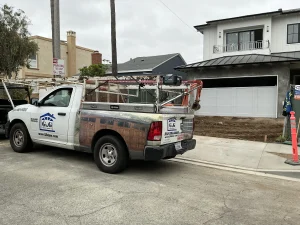
How to Prepare Before the Technician Arrives
A little preparation on your end can actually shorten the overall service time. Here is what helps:
- Clear the area around the garage door and inside the garage so the technician has room to work
- Note the symptoms you have observed, like sounds, how the door moves, and when the problem started
- Know your garage door brand and model if possible, or have the opener manual available
- Make sure there is someone home who can authorize the work and ask questions
- Avoid trying to operate the door after a spring or cable failure, as this can make the damage worse
Your Garage Door Deserves Prompt, Professional Care
A broken garage door is more than an inconvenience. It affects your daily routine, the security of your home, and in some cases, your ability to get your vehicle in or out. Understanding what drives repair time, what warning signs to watch for, and how to maintain your system puts you in a much stronger position as a homeowner.
When it is time to call in a professional, G & G Garage Door is ready to help. Serving homeowners throughout Torrance, CA, and the surrounding areas, their team brings the experience and equipment to handle repairs quickly and correctly the first time. Whether it is a spring replacement, a cable issue, or a full system check, do not wait until a small problem becomes a bigger one. Contact us today or give us a call to schedule your service appointment.