



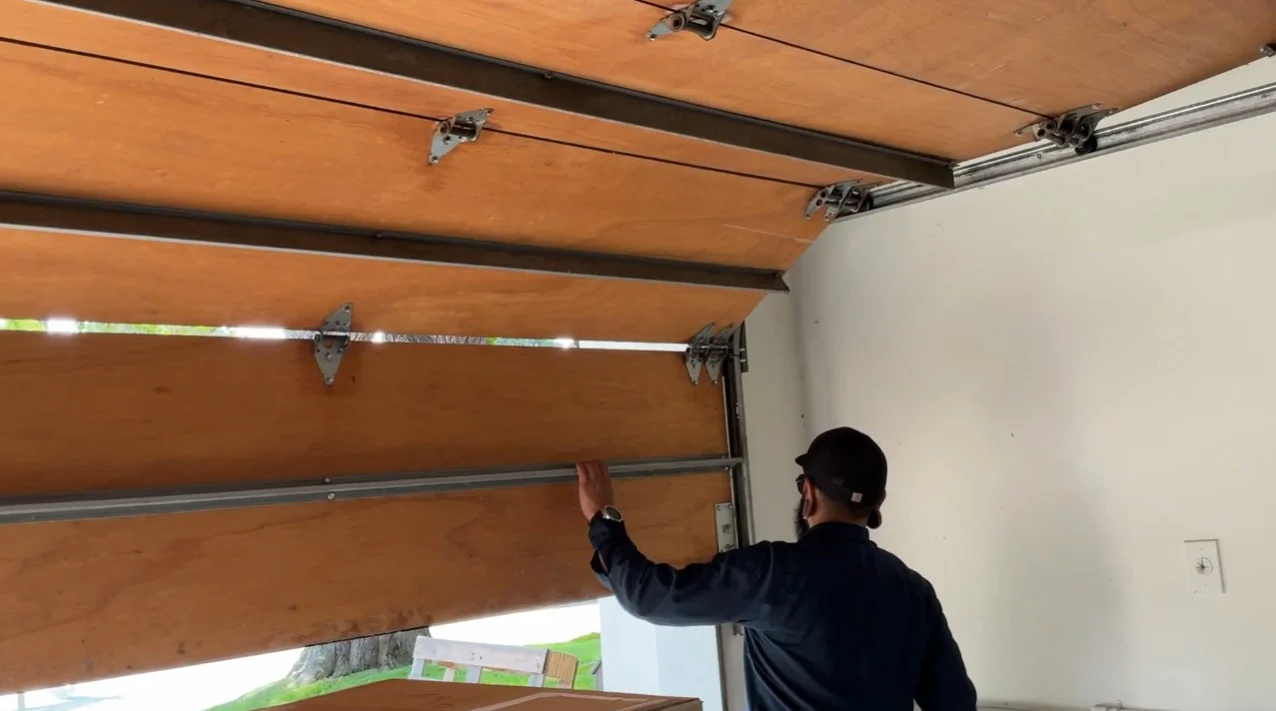
There is nothing more frustrating than a garage door that refuses to cooperate. You press the button, it starts moving, and then stops right in the middle, leaving your car trapped inside or your garage wide open. If your garage door gets stuck when opening, you are not alone. It is one of the most common complaints homeowners in Torrance, CA, bring to garage door technicians every week.
The good news is that most causes behind a jammed garage door are identifiable. Some can be addressed with a careful inspection, while others require professional garage door repair to step in. This guide walks you through the most likely reasons your door is stopping halfway and what you can do about each one.
Start With a Visual Inspection Before Touching Anything
Before trying to force the door open or pressing the button repeatedly, take a moment to look at the system. A quick visual check can tell you a lot without any tools. Here is what to look for:
- Check the tracks on both sides of the door for visible bends, gaps, or debris blocking the path
- Look at the rollers to see if any have come off the track or are visibly cracked
- Inspect the cables on each side to see if one appears loose, frayed, or has fallen off the drum
- Check if the door panels themselves are warped or damaged, which can cause binding
- Look at the bottom of the door to make sure nothing physical is blocking its path
Do not attempt to manually force a door that has a broken cable or a spring issue. These components are under significant tension and can cause injury if mishandled. If you are unsure how long these repairs might take or what the full scope of the problem is, reviewing How Long Does It Take to Fix a Garage Door: Find Out Here gives you a solid overview of timelines and what to expect from a service visit.
Dirty or Obstructed Tracks Are a Common Culprit
One of the most overlooked reasons a garage door gets stuck when opening is dirty or misaligned tracks. Tracks guide the rollers as the door moves up and down. When they collect grease buildup, dirt, or small debris, the rollers cannot move smoothly, and the door stalls.
Here is how to check and address this issue:
- Use a clean cloth to wipe down both tracks, removing any visible dirt, grease, or buildup
- Check that the tracks are parallel to each other and level. A gap between the roller and the track rail is a sign of misalignment
- Tighten any loose bolts holding the track brackets to the wall
- After cleaning, apply a garage door lubricant (not standard household oil) to the rollers only, not the tracks themselves
If the tracks are visibly bent or warped, do not try to bend them back into place yourself. Professional garage door track repair or replacement is the safer and more effective route.
Worn or Damaged Rollers Can Stop a Door Cold
Rollers are the small wheels that run inside the tracks and allow the door to move. Over time, they crack, chip, or simply wear down from daily use. A damaged roller creates drag or can jump the track entirely, causing the door to stop mid-travel.
Signs that your rollers need attention:
- Visible cracks, chips, or flat spots on the roller wheel
- A roller that sits outside the track instead of inside it
- Squeaking or grinding sounds as the door moves
- The door is shaking or wobbling more than usual during operation
Steel rollers tend to last longer than nylon ones but create more noise. Nylon rollers are quieter and generally a good choice for most residential doors. If only one or two rollers are damaged, garage door roller replacement on just those is usually sufficient. If several are worn, replacing the full set makes more sense and can be done during a single service visit.
Tension Problems: When Springs and Cables Are the Real Issue
A jammed garage door that stops halfway is often a symptom of a tension problem rather than a track or roller issue. Springs and cables work together to counterbalance the weight of the door. When one side loses tension, the door goes off-balance, and the safety mechanism in the opener triggers a stop to prevent further damage.
How to Test for a Balance Problem
- Disconnect the automatic opener by pulling the emergency release cord (usually a red handle hanging from the opener rail)
- Manually lift the door to about waist height and let go
- A properly balanced door will stay in place. If it falls or rises on its own, the spring tension is off
- If the door feels extremely heavy when lifted manually, a spring has likely broken or lost significant tension
What Not to Do
- Do not attempt to adjust the torsion spring tension yourself. These springs store a large amount of energy and can cause serious injury if released incorrectly
- Do not continue operating the door if you suspect a broken spring. Forcing it can damage the opener motor and other hardware
- Do not ignore an imbalanced door. The longer it runs in this condition, the more strain it puts on the opener and cables
If a spring replacement is needed, understanding that process in detail can help you prepare for what a technician will do. Avoid Costly Repairs: Learn How to Replace a Garage Door Spring at Home walks through what that job actually involves so you can make an informed decision about whether professional service is the right call.
Limit Switch and Opener Settings That Cause Stopping
Sometimes a garage door gets stuck when opening, not because of a mechanical failure, but because the opener itself is telling it to stop. Garage door openers use limit switches to know how far the door should travel when opening and closing. If these settings are off, the opener may cut power before the door reaches the fully open position.
Here is what to check on the opener:
- Locate the limit adjustment screws on the opener unit, usually labeled “up” and “down” and marked with arrows
- If the door stops before fully opening, the “up” limit may need to be increased slightly
- Refer to your opener manual for the specific adjustment method, as it varies by brand and model
- Also check the force or sensitivity settings. If the opener senses too much resistance, it will stop and reverse as a safety feature
This is one of the more approachable checks a homeowner can do without calling a technician, as long as the manual is available and adjustments are made carefully and in small increments.
Safety Sensor Issues That Trigger Unexpected Stops
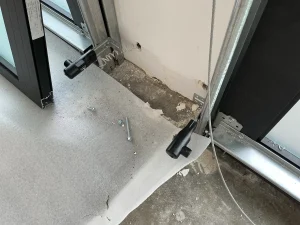
Modern garage doors are equipped with photo-eye sensors near the bottom of the door frame on each side. These sensors shoot an invisible beam across the opening. If the beam is interrupted, the door reverses or stops as a safety measure. A misaligned or dirty sensor can trigger this response even when nothing is actually in the way.
Steps to check your sensors:
- Look at both sensor units. Most have a small indicator light. A solid light means the beam is aligned. A blinking or off light means something is wrong
- Wipe the sensor lenses with a clean, dry cloth to remove dust or smudges
- Check that both sensors are pointing directly at each other. Even a small bump can knock them out of alignment
- Make sure nothing is obstructing the beam path, including cobwebs, a garden hose, or a bin placed too close to the door
- If the sensor wiring appears damaged or chewed, a replacement will be needed
Sensor checks are quick and often resolve a stuck door issue without any parts or professional help. Always check these before assuming a mechanical component has failed.
Weather and Environmental Factors That Affect Door Movement
Torrance, CA, sits along the South Bay coast, which means garage doors in this area deal with salt air, humidity, and temperature shifts that can accelerate wear on metal components. These environmental conditions contribute to several issues that cause a door to stick or bind:
- Rust on springs, cables, and hinges from coastal moisture creates friction and stiffness over time
- Wood door panels can absorb moisture and swell slightly, causing binding in the frame or against the track
- Lubricants can thicken in cooler temperatures, making it harder for rollers and hinges to move freely
- Temperature-related expansion and contraction of metal components can shift alignment over seasons
Homeowners in coastal areas benefit from more frequent inspection and lubrication schedules compared to those in drier inland climates. Applying a quality garage door lubricant at least twice a year and inspecting for rust after wet weather helps keep these issues under control.
According to a garage‑door maintenance guide from Lowe’s, keeping up with regular maintenance is one of the most effective ways to prevent unexpected breakdowns and extend the life of your system.
When to Stop Troubleshooting and Call a Professional
Some garage door problems are safe for homeowners to investigate. Others cross a line where continuing on your own creates more risk than reward. Here are clear signs it is time to call a professional:
- The spring appears broken or visibly separated, as torsion spring repairs require specialized tools and training
- A cable has snapped or come off the drum, and the door will not move evenly
- The track is bent beyond what a simple tightening can resolve
- The door falls quickly when released manually, indicating a serious tension imbalance
- You have adjusted the opener settings and sensors, but the door still stops halfway without explanation
- The door makes loud scraping, popping, or banging sounds during any attempt to move it
Attempting to push through these situations without the right knowledge or tools often leads to higher repair costs and potential safety risks. A trained technician can diagnose the exact cause in a single visit and complete most repairs the same day.
Guidance from the Door and Access Systems Manufacturers Association (DASMA) on garage‑door safety strongly advises homeowners to leave high‑tension component repairs to qualified professionals to avoid injury.
Get Your Garage Door Moving Again Without the Guesswork
A garage door that stops halfway is telling you something is wrong. Whether it is dirty tracks, a worn roller, a sensor out of position, or a tension issue that needs professional attention, the key is knowing where to look and how to respond without making the situation worse. Homeowners who take time to inspect their system regularly and act early on warning signs spend far less time dealing with emergency repairs.
When the problem goes beyond what a visual check can resolve, G&G Garage Door is here to help. Serving Torrance, CA and the surrounding South Bay communities, their technicians are equipped to diagnose and repair jammed garage doors quickly and professionally. Do not let a stuck door disrupt your day any longer than it has to. Contact us or give us a call to book your service appointment today.