




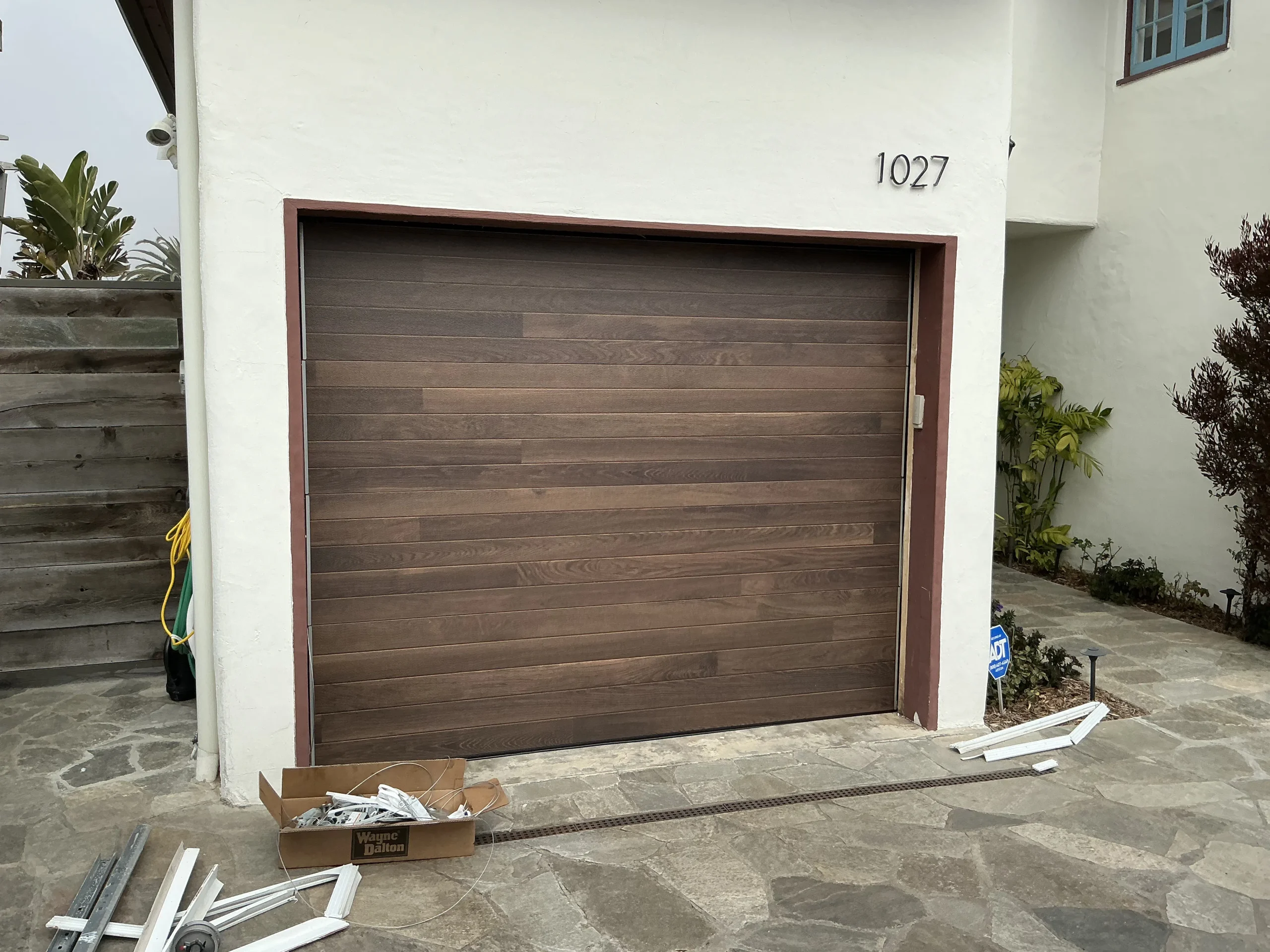
Planning a garage door replacement or new garage door installation? If you’re wondering what to do with your old vinyl backed door, you have come to the right place. These doors are a top choice for homeowners thanks to their durability and style. Still, recycling them takes more effort than you might think.
The truth is, recycling a vinyl backed garage door is not as straightforward as placing it at the curb. The combination of materials involved, including PVC panels, steel frames, and foam insulation, means responsible disposal requires a few deliberate steps. Getting it right not only benefits the environment but also ensures you stay in line with local disposal guidelines in your area.
This guide gives you clear, actionable steps. No matter if you live in Torrance, CA or nearby, you’ll finish with a solid plan for your old door and ideas for smooth garage door installation on the new one.
What Are Vinyl Garage Doors and Why Do Homeowners Choose Them?
Vinyl garage doors are constructed primarily from polyvinyl chloride, commonly known as PVC. Many models also feature a steel or foam backing that adds structural support and insulation, which is why they are often referred to as “vinyl backed.” This combination makes them resistant to dents, rust, and moisture, which is a meaningful advantage in coastal areas like Torrance, CA where salt air and humidity can shorten the lifespan of other door types.
Homeowners choose vinyl garage doors because they require minimal garage door maintenance, maintain their color over time, and perform reliably in a variety of weather conditions. They come in a wide range of profiles and finishes, making them a versatile design choice for different home exteriors.
If your home has a classic brick facade and you are weighing design upgrades while planning your replacement, Black Garage Doors on Red Brick House: A Timeless walks through how bold color choices can completely change the way a home presents from the street.
Can Vinyl Backed Garage Doors Be Recycled? The Honest Answer
Here is the direct answer: recycling is possible, but it cannot happen through standard channels. Vinyl backed garage doors contain PVC, which is classified as a Type 3 plastic. Most municipal curbside recycling programs do not accept PVC, and many local facilities are not equipped to handle it.
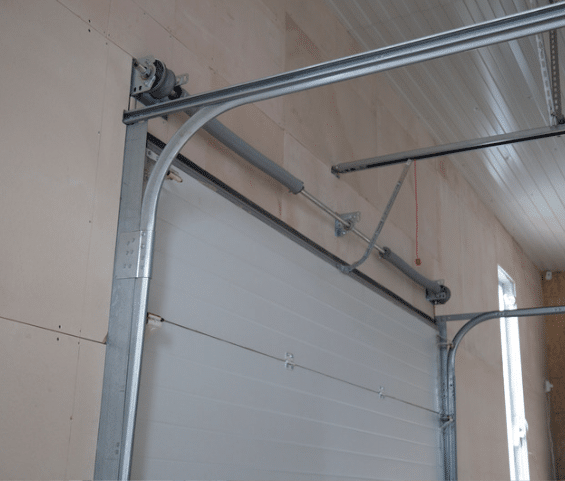
The challenge becomes more layered when you consider the multi-material construction. A typical vinyl backed door may include PVC panels, galvanized steel components, polyurethane foam insulation, and aluminum hardware. Each of these materials follows its own recycling pathway, and they cannot all be dropped off at the same location.
This does not mean recycling is off the table entirely. It means the process requires more intention than a standard material. The sections below break down what to check and what your realistic options are.
8 Things Every Homeowner Should Know Before Recycling a Vinyl Backed Garage Door
- Identify What Your Door Is Actually Made Of
Not all vinyl garage doors are built the same way. Some are entirely PVC, while others are steel doors with a thin vinyl coating applied to the surface. Before beginning disposal, check the manufacturer label or reach out to the company that originally installed the door. Knowing the exact material composition tells you which recycling options are relevant to your specific door and which facilities can accept it. - Separate the Materials Before You Drop Anything Off
Most recycling facilities process one material category at a time. If your door includes a steel frame, aluminum hinges, and a foam insulated core, each component may need to go to a different location. Steel and aluminum are widely accepted at scrap metal yards and can generate a modest return. The foam insulation, however, has limited recycling options and in many cases ends up in the landfill. Breaking down the door into its individual parts before transport gives more of it a second life. - Check Local Recycling Facilities in Torrance, CA
In Torrance, CA, large item disposal operates through the city’s waste management program rather than standard curbside service. The Torrance Public Works Department can direct you to approved drop-off sites and scheduled collection events. Calling ahead to confirm which materials are accepted at each location avoids unnecessary trips and ensures you are following local guidelines correctly. - Consider Donation as a Greener Alternative
If the door is still structurally sound and functional, donating it is often a smarter environmental choice than recycling. Organizations like Habitat for Humanity ReStores accept used building materials, including garage doors, and redistribute them to homeowners who need affordable options. Donating keeps the product in active use, reduces landfill volume, and directly helps someone in your community. Check with local donation centers in Torrance, CA to confirm availability before transporting the door. - Contact the Manufacturer About Take-Back Programs
Before investing time in searching for specialty recycling facilities, contact the garage door manufacturer directly. Some manufacturers offer product take-back or trade-in programs, particularly for newer models or well-known brands. This is a step many homeowners skip, but it can simplify the entire disposal process and may come with guidance specific to your door’s construction. - Hire a Professional Removal Technician
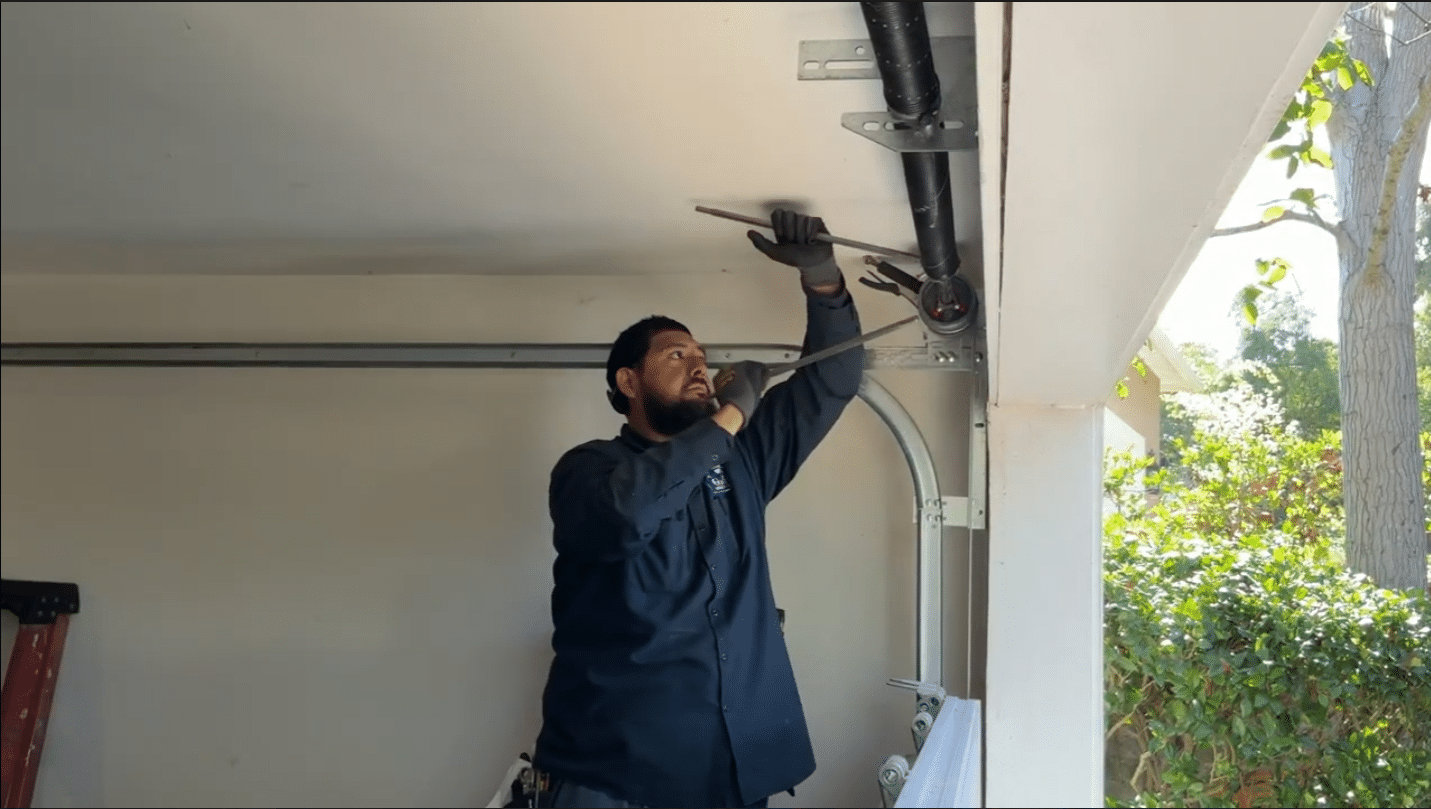
Removing a full garage door assembly on your own presents real physical risks. The panels are heavy, and the spring system stores significant mechanical tension. Improper handling can cause serious damage to the door frame or injure the homeowner attempting the removal. A trained technician not only removes the door safely but often has existing relationships with local disposal and recycling contacts in Torrance, CA. Many garage door companies include old door removal as part of a full replacement service. - Know What Goes to the Landfill and Plan Accordingly
Even with the most careful approach, some components of a vinyl backed garage door may not have a viable recycling option in your area. Polyurethane foam insulation, in particular, is difficult to process and is typically sent to the landfill at most facilities. Acknowledging this reality upfront allows you to plan more clearly. The goal is to reduce what ends up in the landfill, not to eliminate it entirely in every case. - Time Your Replacement with Local Disposal Events
Los Angeles County, which includes Torrance, CA, organizes periodic large item and hazardous material collection events throughout the year. These events accept materials that fall outside regular curbside service, including certain plastics and construction materials. Timing your garage door replacement to align with one of these community events can make responsible disposal significantly easier and more efficient.
How Vinyl Garage Doors Compare to Other Door Materials
Understanding where vinyl falls on the sustainability spectrum can help you make a more informed choice when it is time to select a replacement door.
Steel garage doors are among the most recyclable options on the market. Steel is a commodity material that scrap facilities actively seek, and it can be melted down and reused repeatedly without losing quality. Aluminum doors carry a similar advantage, as aluminum is one of the most efficiently recycled metals available.
Wood doors, when untreated or minimally finished, can often be repurposed, composted, or donated without much difficulty. However, painted or chemically treated wood introduces its own disposal complications.
Vinyl, while excellent for coastal climates and low-maintenance living, is the least straightforward to recycle at the end of its service life. For homeowners who weigh long-term sustainability as a priority, this is a factor worth considering before the purchase rather than at the point of disposal.
For a reliable and up-to-date reference on how different plastic types are handled in the broader recycling system, the EPA recycling guidelines provide clear information that applies directly to material decisions like this one.
Eco-Friendly Habits That Help Your Vinyl Garage Door Last Longer
The most sustainable garage door is one you do not need to replace for a long time. Building consistent maintenance habits into your routine extends the life of the door considerably and delays the disposal conversation by years.
Here are practical steps worth doing regularly:
- Inspect the door panels every six months for cracks, warping, or fading
- Keep the tracks clear of dirt and debris to reduce unnecessary stress on the panels
- Apply a UV-protective treatment if the door faces direct sunlight for most of the day
- Check and replace weather stripping at the base and along the sides when visible wear appears
- Lubricate hinges, rollers, and springs with an appropriate lubricant at least twice a year
- Address minor cracks or surface damage early before they develop into full panel replacements
- Rinse the exterior panels with a mild soap and water solution two to three times a year
These habits are straightforward, but they add meaningful years to the door’s lifespan and reduce the amount of material that eventually needs disposal.
When you are ready to replace and start thinking through design options, Black Garage Doors for White Homes: Top Style Trends offers practical inspiration for homeowners with lighter colored exteriors who want a modern, high-contrast finish.
For homeowners looking to extend eco-friendly practices beyond garage doors, the Earth911 recycling locator is a useful tool for finding nearby facilities that accept a wide range of home building materials.
Make the Right Call for Your Home and the Environment
Replacing a vinyl backed garage door is a meaningful home project, and handling the old one responsibly is part of doing it right. From separating materials and navigating local programs in Torrance, CA to timing your replacement with community disposal events, a thoughtful approach goes a long way toward reducing waste and staying compliant with local guidelines.
G & G Garage Door works with homeowners across Torrance, CA and the surrounding area to make garage door replacements smooth from start to finish, including safe removal and responsible disposal of the old door. Our team is ready to guide you through the process and help you choose a door that fits both your home and your values. Contact us or give us a call today to schedule your consultation.