



A dented or cracked section does not always mean you need a full garage door replacement. For many homeowners in Torrance, CA and beyond, garage door panel replacement is a smart, cost-effective solution that can restore both the look and function of a door without replacing the entire system.
But here is the honest truth: not every panel can simply be swapped out. There are a few key factors that determine whether a single-section repair will work for your specific door. This guide breaks it all down in plain, straightforward language so you can make a confident decision before calling a technician.
Is Replacing Just One Garage Door Panel Actually Possible?

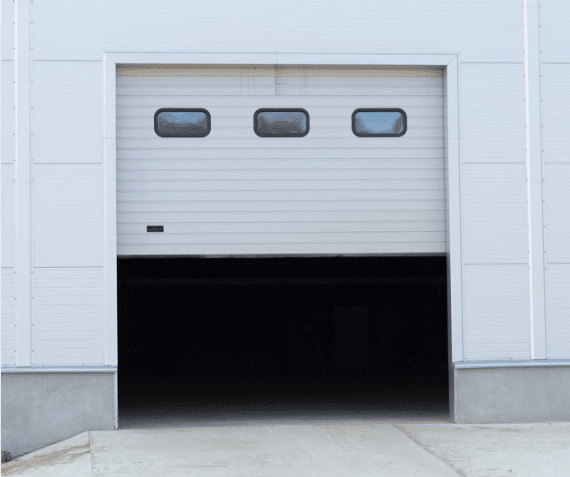
The short answer is yes, but with conditions. Most modern sectional garage doors are built in individual horizontal sections, which means one damaged panel can sometimes be removed and replaced without touching the rest of the door.
Here is what typically makes a single garage door section replacement possible:
- The door is a sectional type. Sectional garage doors are the most common style and are designed for panel-by-panel replacement.
- The replacement panel matches the original. Color, material, texture, and thickness all need to align with your existing sections.
- The door manufacturer still produces that panel. Older doors may have discontinued styles, making it difficult to source an exact match.
- The overall structure of the door is still sound. If surrounding sections are warped or weakened, a single replacement may not hold up well over time.
If your door checks these boxes, a garage door section replacement is a practical option. If you are weighing whether a full door makes more sense for your home, the guide on New Garage Door Costs in Torrance, CA: Installation, Materials, and Labor covers what goes into the full job and what to expect.
Types of Garage Door Sections Every Homeowner Should Know
Before moving forward with any repair, it helps to understand how your door is built. Not all panels work the same way, and knowing your door type saves time and prevents unnecessary costs.
- Sectional Garage Door Panels. These are horizontal sections stacked on top of each other and connected by hinges. They are the most common type and the most straightforward to repair section by section.
- Single Panel Garage Door. A single panel garage door is one solid piece that swings up and out to open. These cannot be partially repaired since the entire door is one continuous unit.
- Raised Panel and Flush Panel Designs. Raised panels have a three-dimensional profile while flush panels are flat. Both are available in sectional formats, but matching them requires close attention to texture and depth.
- Insulated vs. Non-Insulated Sections. Insulated panels have a layer of foam or polystyrene between two steel sheets. Replacing an insulated section with a non-insulated one creates visible inconsistency and reduces your garage’s energy efficiency.
- Garage Door Inserts. Some homeowners add window inserts or decorative garage door inserts to specific panels. These are add-ons and not structural, so they can usually be replaced or updated independently.
Knowing your door type helps a technician source the right garage door replacement panels quickly and accurately.
7 Signs Your Garage Door Section Needs to Be Replaced

Catching damage early can prevent bigger, more expensive problems. Here are the most common signs that a panel needs attention:
- Visible Dents or Bends. Small dents from a car bumper or hail are common. Minor surface dents can sometimes be addressed with a garage door panel repair kit, but deep bends in the metal compromise the panel’s structural strength and alignment.
- Cracks in the Panel Surface. Wood and composite panels can crack over time due to weather exposure. Cracks allow moisture in, which leads to rot, warping, and eventual failure of the section.
- The Door No Longer Opens or Closes Smoothly. A damaged section can throw off the door’s balance, making it harder for the opener to function properly. If the door hesitates, jerks, or makes grinding noises, a warped or bent section may be the cause.
- Rust or Corrosion on Steel Panels. Steel panels are prone to rust, especially in coastal areas like Torrance, CA, where salt air accelerates corrosion. Surface rust can sometimes be treated early, but deep corrosion typically means the section needs full replacement.
- Damaged Weather Seal Around the Section. If the rubber seal along the edges of a section is torn or compressed, drafts and water can enter the garage. If the panel itself is warped, the seal will not sit flush regardless of how many times it is replaced.
- Faded or Peeling Surface Finish. This is primarily an aesthetic concern, but it signals that the panel material is aging. Faded or chipped sections also stand out from the rest of the door and reduce curb appeal.
- A Panel Separating From the Frame. If a section starts pulling away from its hinges or the surrounding frame, the structural connection has weakened. This is a safety concern that needs immediate professional attention.
What Affects Whether a Panel Can Be Replaced
Even when replacement seems straightforward, several real-world factors can complicate the process. Here is what a trained technician evaluates before recommending a single-panel repair:
- Door age. Doors that are 15 to 20 years old may have panels no longer in production. Sourcing an exact match for older garage door sections can take longer and may cost more.
- Material type. Steel, aluminum, wood, and vinyl each have different replacement processes. A garage door panel repair kit designed for one material will not work on another.
- Color and finish. Even when the panel profile matches, a slight color difference between an aging door and a new replacement panel is often visible in direct sunlight.
- Number of damaged sections. If two or more sections are compromised, replacing all of them together may be a smarter investment than addressing each one at a different time.
- Availability of ideal door replacement parts. Not all brands stock individual panels. Some manufacturers require purchasing through authorized dealers, which can affect both timeline and availability.
For homeowners who want to understand industry safety standards and material guidelines before making a decision, the Door and Access Systems Manufacturers Association (DASMA) is a trusted non-commercial resource covering everything from material specs to installation best practices.
Repair vs. Replace: When Each Option Makes Sense
This is the question most homeowners struggle with, and it does not always have a clear-cut answer. Here is a straightforward framework to help guide the decision:
Repair the panel if:
- The damage is limited to one section.
- The door is less than 10 years old.
- A matching replacement section is available.
- The rest of the door is structurally sound and functioning properly.
Replace the full door if:
- Multiple panels are damaged or heavily corroded.
- The door is older and replacement parts are no longer available from the manufacturer.
- The door has already been repaired multiple times.
- A new door would offer meaningfully better insulation, security, or appearance for the home.
If you are weighing the cost difference between a partial repair and a full two-car door replacement, Costs Revealed: How Much Does a 2-Car Garage Door Replacement Cost break down what the numbers look like and what homeowners typically invest in a full upgrade.
There is no single right answer here. The best decision depends on your specific door, your priorities, and your long-term goals for the home.
6 Practical Tips to Protect Your Garage Door Panels From Damage
Preventive garage door maintenance goes a long way toward extending the life of your garage door sections. Here are six things every homeowner can do to stay ahead of costly repairs:
- Inspect the Panels Every Few Months. A quick visual check twice a year can catch small issues before they develop into structural problems. Check for cracks, rust spots, or uneven gaps between sections.
- Keep the Tracks Clean and Properly Aligned. Dirt and debris in the tracks put unnecessary stress on the panels during operation. Wipe down the tracks periodically and confirm they are level and aligned.
- Lubricate Hinges, Rollers, and Springs Regularly. Use a garage door-specific lubricant on the moving hardware. This reduces friction and prevents strain on individual panel sections during daily operation.
- Avoid Bumping the Door With Your Vehicle. This is one of the most common causes of dented panels. If your garage space is tight, consider adding parking guides or bumpers to prevent accidental contact.
- Seal and Paint Wood or Composite Panels. If your door has wood or composite sections, a fresh coat of exterior paint or sealant every few years prevents moisture from penetrating the material and causing warping or cracking.
- Schedule Annual Professional Inspections. A trained technician can identify tension imbalances, worn hardware, and early signs of panel stress that are easy to miss with a casual check. Catching these early avoids more serious repairs later.
If you want to know what a thorough professional maintenance visit should cover, the International Door Association (IDA) is a trusted industry resource with standards and guidance built specifically for homeowners and door professionals.
Get Your Garage Door Repaired the Right Way
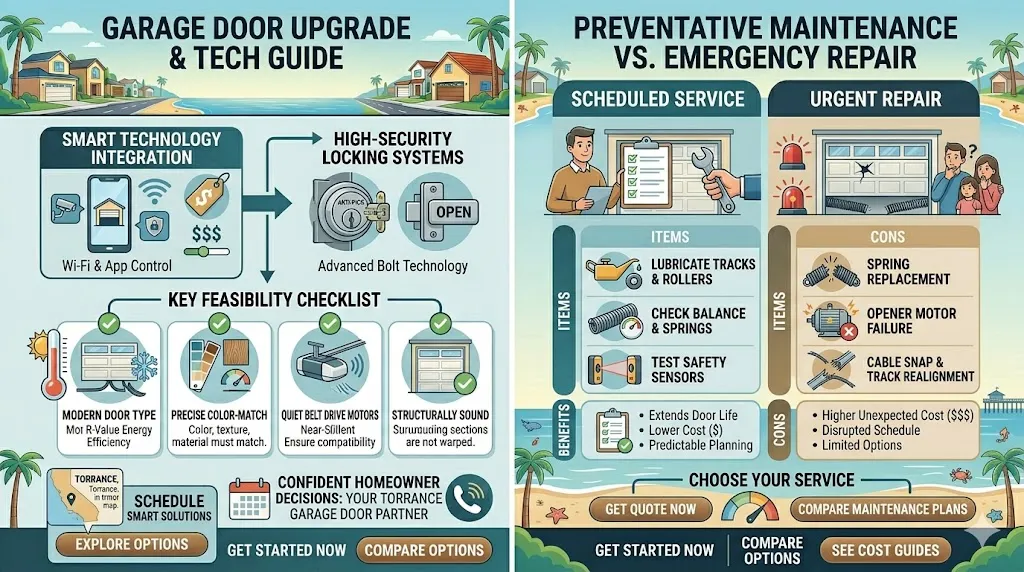
Taking care of a damaged panel sooner rather than later protects your garage, your vehicle, and the overall safety of your home. Whether it is a single dented section in Torrance, CA or a more complex issue with corrosion or alignment, acting early almost always saves you time and money in the long run.
When you need a team that truly understands garage doors, G & G Garage Door is ready to help. From single panel repairs to full door assessments, their technicians bring real hands-on experience and straightforward recommendations to every job. Contact us or give us a call to schedule an inspection and get your garage door working the way it should.