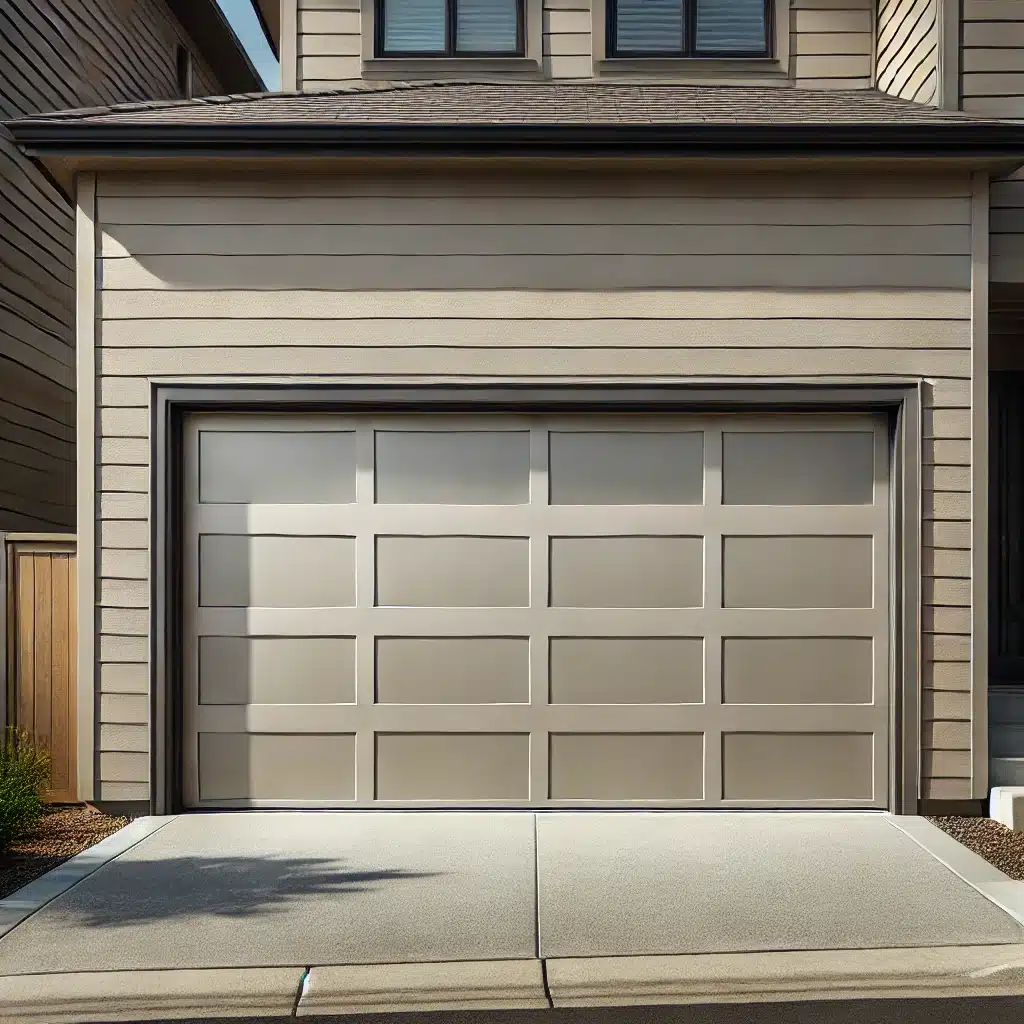







Residential garage door installation is easier to manage when you know what the appointment includes and what quality work looks like. The installation process involves handling heavy door sections, ensuring track alignment is precise, and managing the spring system that carries high tension. When each phase is completed in the right order, the door travels smoothly, seals evenly, and the opener runs without extra strain.
Homeowners schedule professional garage door installation during remodeling, after weather damage, or when repeated residential garage door repair visits stop solving the problem. Understanding the process helps you prepare your garage, plan access, and recognize key safety checks that protect daily use.
Arrival Checks And Jobsite Setup
Installation usually begins with quick checks that confirm the door and hardware match the garage. This planning time reduces mistakes later and keeps the workflow safer.
If you are still deciding on the right time to book service, read When Should You Schedule Residential Garage Door Installation.
What Installers Verify At Arrival
Installers typically confirm the basics that control fit and track layout:
- Opening width and height
- Headroom above the opening
- Side clearance near the jambs
- Backroom depth for full door travel
- Floor level at the threshold for bottom seal contact
- Ceiling clearance along the horizontal track path
- Opener location, outlet access, and mounting area condition
These checks matter even more during garage door replacement because the new door system may not match the old track positions.
What Installers Do To Prepare The Work Area
A safe work area speeds the job and helps avoid accidental damage. Setup often includes:
- Creating a staging zone for door sections and hardware
- Planning safe ladder placement and tool access
- Keeping the driveway clear for unloading
- Protecting nearby stored items from dust or contact
- Setting a clear boundary so kids and pets stay away
Old Door Removal During Garage Door Replacement
If your project is a garage door replacement, removal is the first hands-on phase. Removal must be controlled because springs, cables, and sections can shift suddenly under tension.
How Old Door Removal Usually Works
Removal often follows a careful sequence:
- Disconnect the opener from the door
- Secure the door so it cannot move unexpectedly
- Release spring tension using the correct tools and steps
- Remove sections in a controlled order to prevent tipping
- Remove old tracks, brackets, and hangers
- Clear mounting points so new hardware sits flush and stable
Even when a door looks simple, removal can be complex if the old system has years of wear.
What Can Slow Down Removal
Extra time is common when older hardware is difficult to detach. Typical slowdowns include:
- Rusted or stripped fasteners
- Bent tracks that bind against framing
- Old brackets mounted into weak or patched wood
- Multiple layers of added hardware from past repairs
- Damaged sections that are hard to separate cleanly
If a door needed frequent residential garage door repair, removal often reveals the root cause, such as shifted tracks, worn mounting points, or improper spacing.
Track Installation And Alignment
The tracking phase is one of the most important phases. Tracks guide the door’s path, so alignment affects noise, smoothness, sealing, and opener strain.
Installing Vertical Tracks
Vertical tracks guide the door near the opening. Common work includes:
- Positioning tracks to match the door width
- Installing jamb brackets at the correct spacing
- Confirming plumb alignment so the door does not drift
- Confirming roller clearance to prevent rubbing
Small track errors can create big problems later, so professionals verify alignment before moving on.
Installing Horizontal Tracks And Supports
Horizontal tracks extend into the garage and must stay stable over time. This phase often includes:
- Installing horizontal track sections
- Mounting ceiling hangers and supports
- Confirming track level and spacing
- Securing flag brackets and connection points
- Checking clearance from obstructions
If horizontal tracks sag, the door may shake or bind near the top. Proper support helps the door travel quietly and consistently.
When Track Layout Needs Extra Adjustment
Extra adjustment is common when:
- Headroom is limited
- Side clearance is tight
- The opening is out of square
- Ceiling features block the track path
In these cases, track layout may be modified so the door still travels smoothly and seals properly. The goal is stable movement with minimal friction.
For a full scope view of what service usually includes, read What Do Residential Garage Door Installation Services Include.
Door Assembly And Section Stacking
Once the track layout is stable, the installers assemble and stack the door from bottom to top. This is where the system starts to look finished, but alignment still matters.
Setting The Bottom Section
The bottom section sets the foundation for the entire door. This step often includes:
- Placing the bottom section evenly on the floor
- Confirming level placement
- Installing bottom brackets and roller carriers
- Confirming bottom seal contact across the width
If the bottom section is not level, the door can rattle or twist as it moves.
Stacking The Middle Sections And The Top Section
Once the bottom section is correct, sections are stacked and secured so they hinge smoothly:
- Install hinges and rollers
- Stack the middle sections and secure the hinge points
- Install the top section and top fixtures
- Add reinforcement struts when included
- Confirm the door stays centered in the opening
What Installer Checks During Assembly
Installers watch for details that affect long-term performance:
- Even spacing between sections
- Smooth hinge movement without binding
- Rollers aligned correctly in both tracks
- Side clearance that prevents rubbing
- Seal contact and fit near the header
If the old system had ongoing issues, this phase often makes it clear whether the previous tracks were misaligned or the door was not centered.
Spring System Setup And Cable Routing Under High Tension
The spring and cable system controls the lift force. This part is safety-critical because the parts carry high tension and must match the door weight.
What Spring And Cable Setup Includes
Spring and cable setup often includes:
- Installing torsion shaft components
- Installing springs and bearing plates
- Installing drums and routing lift cables
- Setting equal cable tension on both sides
- Winding springs to the correct count
- Securing set screws and confirming proper seating
How Installers Confirm Door Balance
Before the opener is connected, installers test the balance by hand.
A balanced door typically:
- Lifts smoothly without feeling heavy
- Stays in place when opened partway
- Does not slam down or drift upward
- Moves evenly without twisting
Balance is a major reason installation should not be rushed. A poorly balanced door can cause opener strain and raise the chance of early residential garage door repair calls.
Opener Connection Or Setup When Included
Some jobs include reconnecting an existing opener. Others include a new opener. Either way, the opener should move a balanced door, not force it.
What Opener Work Usually Includes
Opener-related work may include:
- Securing the header bracket and rail support
- Connecting the opener arm to the door
- Setting travel limits
- Adjusting force settings
- Aligning photo-eye safety sensors
- Testing wall controls, remotes, and keypad functions when present
Common Reasons Opener Work Adds Time
Opener work may take longer when:
- The opener is older and already strained
- The bracket area needs reinforcement
- Sensors must be repositioned due to track changes
- Wiring needs safe routing adjustments
- Travel limits require careful tuning for even closure
If you are planning your day around the appointment, read How Long Does Residential Garage Door Installation Take.
Safety Testing And Final Inspection
Final testing confirms safe daily operation. This is where professionals verify that the system behaves predictably under normal use.
Safety Tests Usually Completed
Testing commonly includes:
- Photo-eye sensor alignment and obstruction testing
- Auto-reverse testing
- Multiple open and close cycle tests
- Checks for smooth, even travel
- Hardware fastener checks for secure fit
- Seal checks at the floor and along the sides
- Manual release check for safe operation if needed
After installation day, homeowners can follow a clear monthly testing routine in this How to Test the Safety Reversal System walkthrough.
What A Finished Door Should Do
After final checks, the door should:
- Open and close smoothly without hesitation
- Stay aligned in the tracks through full travel
- Close evenly without gaps at the floor
- Reverse correctly when safety features are triggered
- Operate without harsh vibration or loud rubbing
If something looks off, adjustments are completed before the job is considered finished.
The federal standard (16 CFR Part 1211) outlines safety requirements for automatic residential garage door operators.
What Can Add Time During Installation
Some garages require added work for a safe fit and reliable travel. When installation takes longer, it is usually because the garage conditions require extra correction.
Common time add-ons include:
- Low headroom track configurations
- Out-of-square openings that need correction
- Old door removal with rusted hardware
- Opener replacement or wiring changes
- Heavier insulated doors that need reinforcement
- Sealing upgrades that improve fit and comfort
Extra time is often a sign that the installer is protecting long-term operation, not dragging the job out.
What You Can Do To Support A Smooth Installation Day
Homeowner preparation helps the appointment move efficiently and reduces interruptions.
Helpful preparation steps:
- Move vehicles out of the garage
- Clear storage near the opening and side walls
- Keep a clear path for moving door sections
- Confirm working lights inside the garage
- Confirm outlet access near the opener location
- Keep kids and pets away from the work zone
These steps also make it easier to complete safety checks without delays.
What To Watch For Right After Installation
The first week matters because small concerns are easier to correct early.
Good first-week observations:
- Listen for new grinding, popping, or harsh vibration
- Watch for smooth travel without side-to-side shifting
- Confirm the door closes flat against the floor
- Confirm the seal contacts evenly across the width
- Watch for frequent reversing without obstruction
If something feels wrong, scheduling service early is often simpler than waiting for the issue to worsen.
Preventive Garage Door Maintenance That Protects The New System
Preventive garage door maintenance does not need to be complicated. The goal is smooth travel, stable balance, and reliable safety features.
Helpful routine habits:
- Keep tracks clear of debris near the floor
- Keep photo-eye sensors clean and aligned
- Listen for loose hardware sounds
- Watch for changes in travel speed or smoothness
- Schedule periodic checks for balance and safety performance
These steps reduce surprise breakdowns and help the opener last longer.
Ready For A Safer and Smoother Door Every Day
Residential garage door installation works best when each phase is completed carefully, from track alignment to balance setup to safety testing. If your project includes new garage door installation and garage door replacement, controlled removal and stable mounting help reduce repeat residential garage door repair needs. When the system is balanced and tested properly, daily operation becomes quieter, smoother, and more predictable.
G & G Garage Door provides residential garage door repair and service, offering straightforward recommendations based on safety and door condition. If you want help planning installation day or confirming what your garage needs, contact us or give us a call. We can review your setup and schedule professional service, so your door operates smoothly and reliably.
Frequently Asked Questions
Do you remove the old door during garage door replacement?
Yes. We disconnect the opener, release spring tension safely, remove sections, and clear old tracks and hardware. Rusted fasteners or weak mounting points can add time during removal.
When are the tracks installed during the process?
Tracks are installed after the opening is confirmed and the old door is removed. We set vertical and horizontal tracks, confirm spacing, and secure supports, so rollers travel smoothly.
How do you keep the door from rubbing or sticking?
We align tracks, confirm bracket placement, and check roller clearance. We also keep the door centered in the opening and confirm sections stack evenly without twisting.
What is the most safety-critical step?
Spring and cable setup is the most safety-critical step because it involves high tension. We match spring capacity to door weight and confirm balance before connecting the opener.
How do you know the door is balanced correctly?
We lift the door by hand and check whether it stays in place when opened partway. A balanced door should not slam down, drift upward, or feel heavy through travel.
What if the opener is older or struggling?
We check whether the opener can handle door weight and whether safety features perform correctly. If it strains, reverses often, or cannot be tuned reliably, we may recommend adjustment or replacement.
What final tests do you perform before leaving?
We test photo-eye sensors, auto-reverse, travel limits, and smooth open-close cycles. We also check fasteners and confirm that the door seals evenly at the floor.
What should we watch for during the first week?
Watch for uneven travel, new grinding sounds, frequent reversing, or gaps in sealing. If anything changes, scheduling service early helps prevent larger problems.
How can we reduce future repair needs?
Preventive garage door maintenance helps most. Keep tracks clear, keep sensors clean, test safety features as instructed, and schedule periodic checks for balance and safe operation.