





Most homeowners don’t think twice about their garage door height until something goes wrong. Maybe you’re replacing an old door with a professional garage door installation and realize the new one doesn’t fit. Maybe you bought a taller truck, and now you’re holding your breath every time you pull in. Or maybe you’re building a new garage in Torrance, CA, and want to get it right the first time.
Whatever the situation, getting the right garage door height matters more than most people realize. The wrong size can create clearance problems, reduce curb appeal, and even affect how well your garage stays insulated. This guide breaks it all down in plain terms so you know exactly what to look for, what to measure, and what to avoid.
What Is the Standard Height of a Garage Door?
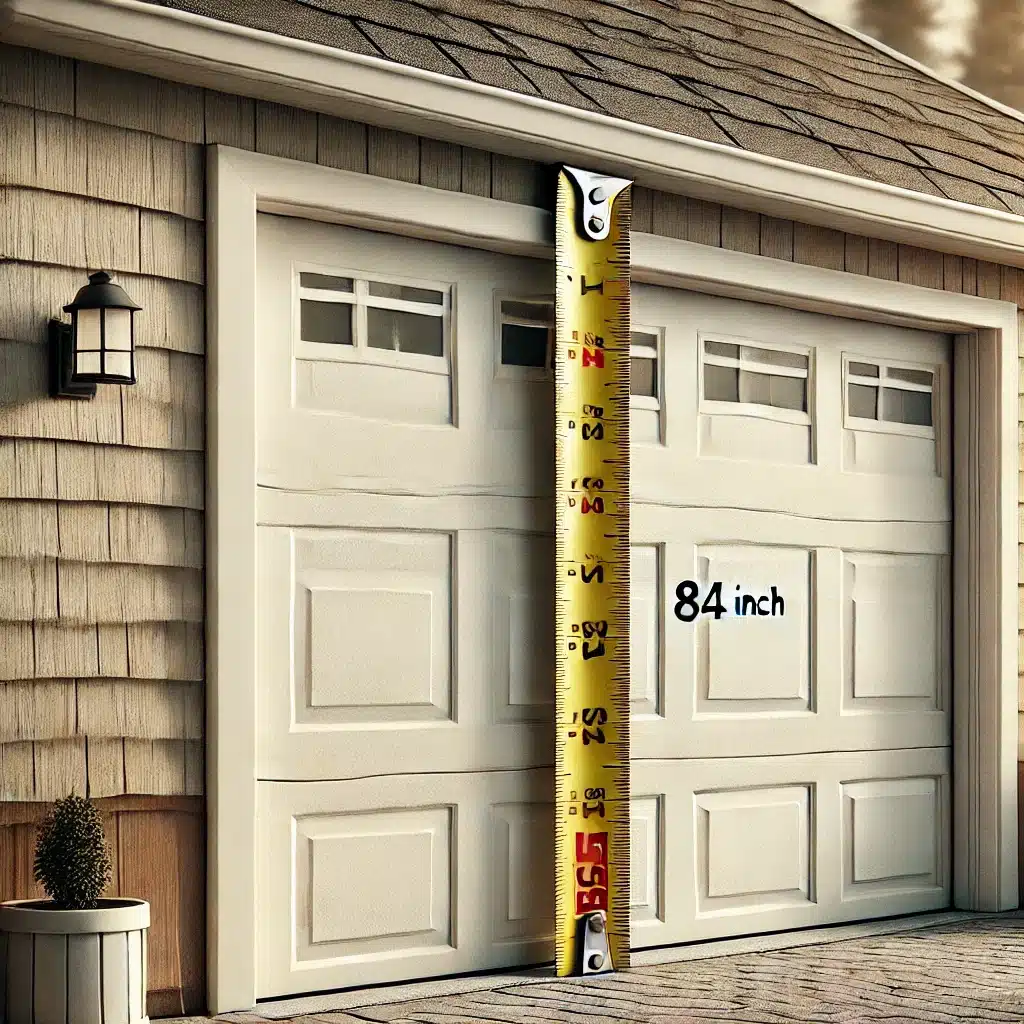
If you’ve ever asked, “how tall is a standard garage door?” the short answer is 7 feet. That’s the most common height for single-car and double-car residential garage doors across the country, including most homes here in Southern California.
That said, standard doesn’t mean one-size-fits-all. Here’s a quick breakdown of what you’ll typically find:
- 7 feet tall – Most common for standard residential homes, fits most sedans, SUVs, and standard trucks
- 8 feet tall – Ideal for taller vehicles like full-size pickup trucks, vans, and lifted vehicles
- 9 feet tall – Less common residentially, but used for homes with RVs or oversized vehicles
- 10 feet tall – Typically reserved for commercial properties or custom builds
So when someone asks, “What is the standard size of a standard garage door?” the baseline is 7 feet high by 8 or 9 feet wide for a single car, and 7 feet high by 16 feet wide for a double car. But again, your specific situation may call for something different.
Tip: Before assuming your home has a standard-height opening, always measure the actual opening, not just the door. Rough openings can vary even in homes built in the same neighborhood.
Standard Garage Door Height vs. What You Actually Need
Knowing the typical residential garage door height is a good starting point, but it’s not the full picture. What matters just as much is what you’re parking inside.
Here’s a simple way to think about it:
- Sedans and small SUVs – A 7-foot door is usually more than enough
- Full-size trucks and larger SUVs – You’ll want to look at 8-foot doors
- Cargo vans, box trucks, or campers – An 8 to 9-foot door is the safer choice
- RVs or boats on trailers – You may need 10 feet or a custom height
A common mistake homeowners make is choosing a door based on their current vehicle without thinking ahead. If you plan to upgrade your vehicle in the next few years, sizing up is almost always the smarter move during garage door replacement.
What to check: Measure your tallest vehicle from the ground to its highest point, including any roof racks or accessories. Add at least 2 inches of clearance above that. That’s your minimum safe door height.
How Garage Door Height Affects More Than Just Clearance
The standard height garage door isn’t just about fitting your car inside. It also plays a role in a few things homeowners don’t always think about:
Headroom and Spring System Your garage door needs vertical space above the opening to operate properly. This is called headroom. Most standard spring systems need at least 10 to 12 inches of headroom above the door. If you’re going taller, your garage ceiling needs to accommodate the extra door panel height plus that clearance.
Insulation and Energy Efficiency Taller doors have more surface area, which means more potential for heat loss or heat gain. In a place like Torrance, CA, where summers can get warm, this matters. Look for doors with a good insulation rating if you’re using your garage as a workspace or if it’s attached to your home.
Curb Appeal Proportions matter. A door that’s too short or too tall can look off compared to the rest of your home’s exterior. Builders typically size garage openings to keep things visually balanced, so sticking close to the standard height for a garage door usually makes good design sense.
Safety Oversized doors that weren’t properly supported or balanced can be dangerous. If a door is heavier than the spring system is designed to handle, it can fall or fail to stay open. Always make sure the hardware is rated for the door’s size and weight.
How High Are Garage Doors in Different Home Types?
Not every home has the same garage setup. Here’s how garage door heights typically break down by home style:
- Tract homes and standard subdivisions – Almost always 7 feet, built to accommodate typical family vehicles
- Custom homes – Often 8 feet or taller, especially when the builder designed the garage for versatility
- Older homes – May have shorter openings, sometimes 6.5 feet, which can be a problem for modern vehicles
- New construction in Torrance – Many newer builds include 8-foot doors as standard, especially in larger homes
- Townhomes and condos with attached garages – Usually 7 feet, though this varies by building
If you’re in an older home and you’re finding that your current door barely clears your SUV, it may be worth looking into whether the opening can be raised. This is a structural project that should be handled by a licensed professional, not a weekend DIY job.
Common Garage Door Height Problems and How to Avoid Them
Even with the right measurements in hand, homeowners still run into problems. Here are the most common ones and what to watch out for:
Problem 1: Buying a door that’s too short This happens when homeowners measure the existing door instead of the actual opening. The opening may be taller than the current door if someone previously installed a shorter replacement.
Tip: Always measure the rough opening from the floor to the top of the frame, not the old door itself.
Problem 2: Not accounting for headroom Some homeowners buy a taller door without realizing their ceiling won’t accommodate the hardware. Regular garage door maintenance helps spot these clearance issues early.
Tip: Before ordering a taller door, measure from the top of the opening to the ceiling. You need at least 10 to 12 inches minimum. If you have less, you’ll need a low-clearance spring system, which a garage door technician can help you select.
Problem 3: Ignoring the side room Tracks need wall space on both sides of the door. If you’ve ever wondered why a door won’t fit even though the height and width seem right, this is often the culprit.
Tip: Leave at least 3.75 inches on each side of the opening for standard track hardware.
Problem 4: Skipping a professional measurement Online estimators and general guides are helpful, but they’re not a substitute for someone who can physically assess your opening, ceiling height, and side clearance.
Tip: When in doubt, have a local garage door professional come out before you order anything. A quick assessment can save you the headache of a wrong-size order.
Garage Door Height and Width Go Hand in Hand
You can’t talk about height without addressing width. The two dimensions work together to determine whether a door fits, functions, and looks right in your home.
For most homes, a single-car garage door runs 8 to 9 feet wide. But what about wider openings? What if you’re working with a two-car bay or an oversized single? To understand how width choices affect your options, it helps to read through how to approach the decision carefully. If you’re unsure about the width side of things, check out Stop Guessing: How to Choose the Right Garage Door Width for a full breakdown.
Getting both dimensions right before you order is the single best thing you can do to avoid costly mistakes.
How to Measure Your Garage Door Opening the Right Way
Whether you’re replacing an old door or sizing for a new installation, here’s a straightforward process:
- Width: Measure the horizontal distance of the opening at the widest point
- Height: Measure from the floor to the highest point of the opening
- Side room: Measure the distance from the edge of the opening to the nearest wall or obstruction on each side
- Headroom: Measure from the top of the opening to the ceiling
- Depth: Measure how far back the garage goes (important for low-headroom or jackshaft systems)
Write all of this down before calling a supplier or installer. It saves time, reduces back-and-forth, and helps you get an accurate quote.
Note: If your garage floor isn’t level, that can affect how the door seals at the bottom. Mention this when speaking with a technician.
What the Garage Door Height Standard Means for Replacement Projects
Replacing a garage door isn’t as simple as ordering the same size. Here’s what can go wrong even when you think you’re ordering a match:
- The old door may have been a non-standard size from a previous repair
- The opening may have been modified over the years without documentation
- New door panels may have slightly different thickness or spring requirements
For replacement projects, always treat it like a new measurement job. Don’t rely on the label on your old door or the size listed in old paperwork.
According to the International Door Association, garage door standards can vary by product line and manufacturer, so it’s always worth verifying with your supplier that the door you’re ordering matches your rough opening, not just a general size category.
Single vs. Double Garage Doors: Does Height Change?
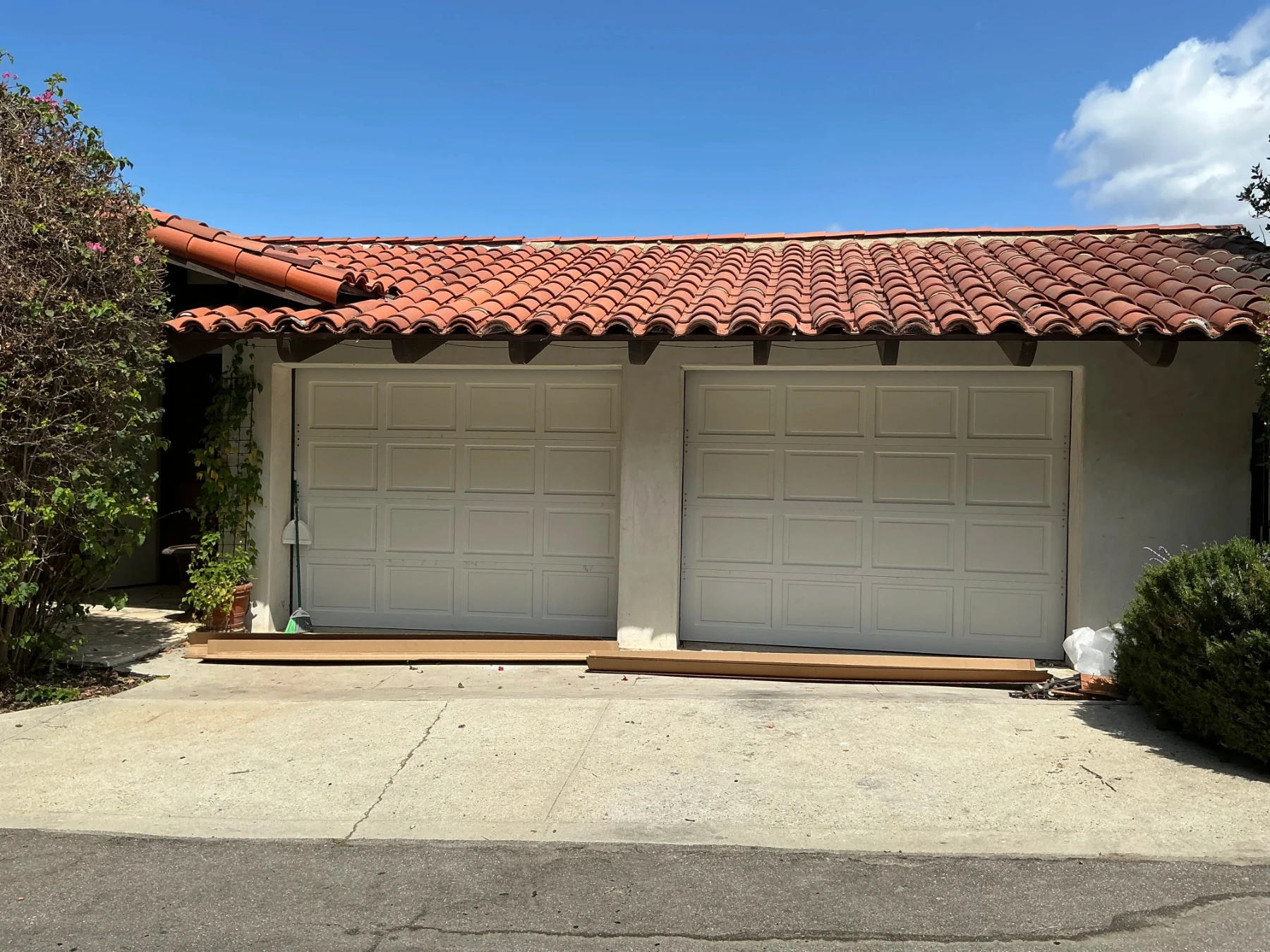
In most cases, no. Whether you have a single or double garage door, the standard height stays the same at 7 or 8 feet. The big difference is width, not height.
That said, homes with double garage doors sometimes have taller openings because the builder anticipated larger vehicles or wanted a more open, airy appearance. If you’re replacing a double door and thinking about upgrading the height at the same time, this is a good time to assess whether your current spring system, tracks, and opener are rated for a heavier, taller panel.
Curious about the width side of a single-car door? Garage Door Guide: How Wide Is a Single Door goes deep on that topic and is a good companion read if you’re doing a full replacement project.
When to Call a Professional Instead of Guessing
Here’s an honest truth: most homeowners are not equipped to catch every measurement variable that affects a garage door installation. And that’s okay. That’s what professionals are for.
You should bring in a professional when:
- Your opening is irregular, or you’re not sure of the measurements
- You’re considering raising the height of an existing opening
- Your ceiling doesn’t seem to have enough headroom for a standard spring system
- Your door has been binding, dragging, or showing signs of an imbalance
- You’re adding a new garage to your property and need guidance from the start
According to the U.S. Department of Energy’s guidance on doors and energy efficiency, properly sized and insulated doors can have a real impact on home energy performance, especially in attached garages. Getting the sizing right from the start supports both function and efficiency.
Is Your Garage Door the Right Height? Here’s How to Know for Sure
At the end of the day, the best garage door height is the one that fits your vehicle, works with your garage’s structure, and holds up over time. The standard height of a garage door in most residential settings is 7 feet, but depending on your vehicle, your home type, and your long-term plans, 8 feet or taller may serve you better.
Don’t guess. Measure carefully, think ahead, and when something doesn’t add up, bring in a professional who can give you a straight answer.
If you’re in the Torrance area and want a professional set of eyes on your garage setup, the team at G & G Garage Door is ready to help. Whether you’re replacing an old door, planning a new install, or just trying to figure out what size makes sense, give us a call or contact us today. Getting it right starts with one conversation.