



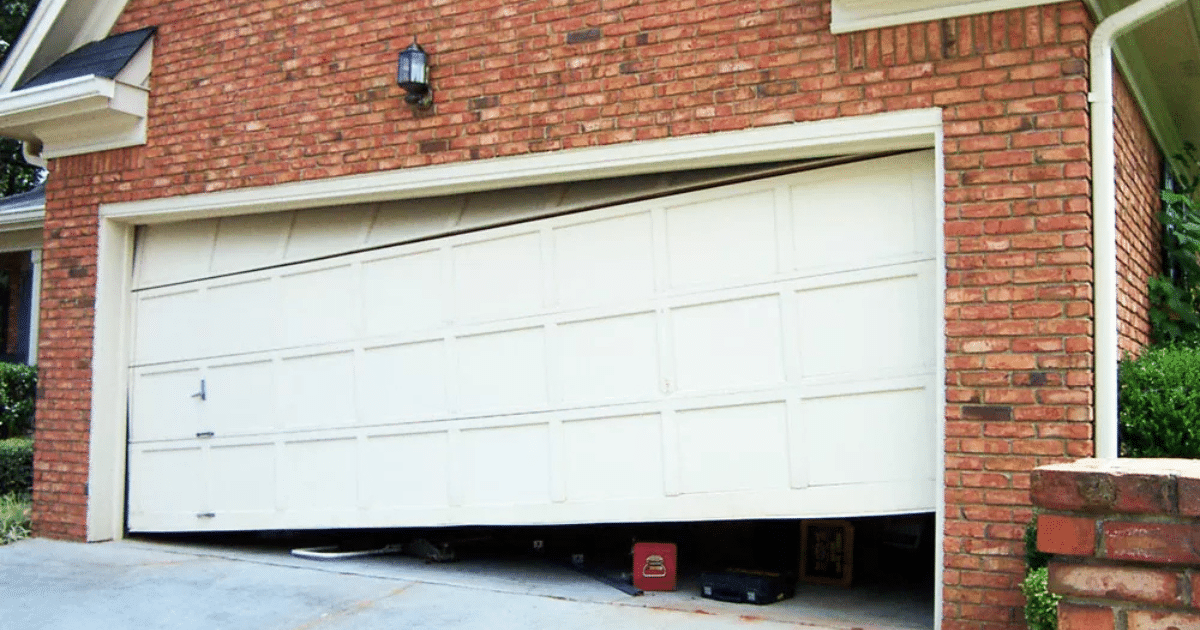
A garage door that slips off its track can turn a normal day into a serious safety concern. The door may lean, grind, bind, or stop halfway, and the opener can sound like it is struggling to move it. In Anaheim, CA, this issue often shows up after windy days that blow grit into garages, hot afternoons that increase friction on worn rollers, or a minor bump that shifts a track bracket just enough to create a roller problem.
This guide is written the way a garage door technician explains it during a service visit. You will learn what a garage door off track actually means, what usually causes it, what you can safely check without risky repairs, and how to decide when it is time to bring in a professional. The goal is to help you make smart next-step decisions and protect your door system from bigger damage.
Quick Answer
A garage door goes off track when one or more rollers leave the track channel, or when the track path shifts out of alignment and can no longer guide the door smoothly. Common causes include track misalignment, worn or damaged rollers, loose hinges or brackets, cable tension problems, bent track sections, or ongoing rubbing and binding that finally forces the door out of its normal path. In Anaheim, heat, dust, and wind-blown debris can increase friction, making a tight-running door more likely to slip out of the track.
If you want a deeper breakdown of what causes off-track issues, read Why Garage Doors Jump the Track and When It Happens Most.
Before You Start: A Quick Safety Note
A garage door is heavy, and the lift system handles a serious force. Springs and cables do most of the lifting, and the opener is mainly there to guide movement. When a door is off track, weight can shift unevenly, and that is when things can become unpredictable.
Stop and contact a technician right away if you notice any of these red flags:
- The door is leaning or looks twisted in the opening
- A roller is visibly outside the track
- A cable is slack, frayed, or off the drum
- The track is bent or pulling away from the wall
- You heard a loud bang earlier, and the door now feels unusually heavy
- The opener strains hard, shakes, or seems to “fight” the door
This article will help you check safe items and recognize warning signs. It will not teach dangerous repairs like cable work, spring work, or track resetting. Those jobs require tools, training, and controlled handling of tension.
What Off Track Actually Means
Garage doors roll on rollers that sit inside vertical tracks near the door opening and then move into horizontal tracks along the ceiling. When the track spacing is correct and the rollers are in good shape, the door stays centered and moves smoothly. The door panels stay stacked properly, the hinges stay aligned, and the opener runs without strain.
A door becomes “off track” when:
- A roller pops out of the track channel
- The track shifts and forces rollers toward the edge
- The door lifts unevenly, twisting the panel line
- A bent section creates a pinch point that pushes rollers out
When this happens, the door may lean to one side, scrape metal, or bind so hard that it stops. Sometimes it will move a few inches and then jam. Other times, it will close crooked and leave a gap along one side.
Common symptoms include:
- The door leans or appears racked
- Loud grinding, scraping, or popping sounds
- Jerky, uneven movement
- The opener strains or reverses unexpectedly
- Rollers look tilted or no longer centered in the track
- One side of the door travels faster than the other
What Most Homeowners Notice First
On real service calls, homeowners rarely say “my roller is out of the track.” They usually describe what they experienced. Here are the most common first clues and what they often point to:
- The door looks crooked when it closes. This often points to uneven lift from cable issues, track misalignment, or roller trouble.
- The door makes a grinding sound near the bottom. This often points to debris in the track, a pinched track edge, or a roller starting to climb.
- The door starts moving and then jams. This often points to track alignment drift or a bent section creating a tight spot.
- The opener runs, but the door barely moves. This can happen when the door is binding or heavy due tothe lift system strain.
- The door shakes more than it used to. This often points to worn rollers, loose hinges, or shifting brackets.
If you are not sure which of these signals matters most, read Garage Door Off-Track Warning Signs and Safety Checklist.
Top Causes Of A Garage Door Going Off Track
Off-track problems rarely come from a single dramatic failure. Most of the time, the door was already rolling slightly tight, slightly noisy, or slightly uneven, and then one more factor pushes it out of the track path.
Below are the top causes, explained in plain language.
Track Misalignment From Impact Or Gradual Shifting
Tracks are held in position by brackets and fasteners. Over time, vibration can loosen hardware, especially on doors that cycle multiple times per day. In Anaheim, garages often see frequent use with commuting, school runs, and weekend activities, which adds more vibration and wear.
Typical triggers:
- A vehicle lightly bumps the track area
- Storage items fall and strike a track
- Brackets loosen gradually, and the track drifts out of position
What you might notice:
- One track looks closer to the door than the other
- Scrape marks appear on one side
- The door rubs on the same spot each cycle
Track spacing is designed to keep rollers centered. When spacing changes, rollers can climb and pop out.
Worn Rollers That No Longer Roll Smoothly
Garage door rollers should roll freely and stay straight. When bearings wear down, rollers wobble. A wobbly roller can “ride” the track edge instead of staying in the center.
Signs of roller wear:
- Rattling, rumbling, or loud rolling sounds
- Visible wobble while the door moves
- Jerky travel near the track curve
- Rollers that look tilted instead of straight
In Anaheim, high heat inside a garage can increase friction, and dust can work into worn bearings over time.
Loose Hinges Or Brackets Allowing Door Sections To Shift
Hinges connect door panels. Brackets anchor rollers. When hinges or brackets loosen, the door panels can shift slightly, and the roller path changes.
Clues:
- Clicking on panel joints
- The door looks less “square” while moving
- Panels flex more than usual
- New wobble or sway
When the door panels are not tracking straight, the rollers are forced to compensate. That is when they can climb the track edge.
Cable Issues That Lift The Door Unevenly
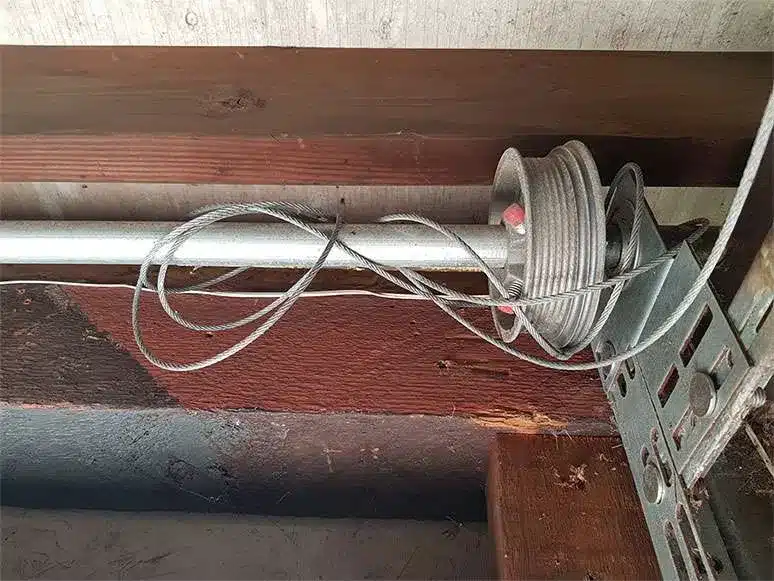
Cables lift the door evenly on both sides. If one cable is slipping, fraying, or not seated correctly on the drum, the door can rise crooked. A crooked rise pushes rollers toward the track edge and can pop one out.
Signs of uneven lift:
- The door is lower on one side
- A cable looks slack
- The door jerks or twists at startup
- The door closes unevenly
Important: cable issues are not a safe DIY area. Cables are under high tension, and the system can shift suddenly.
Bent Or Pinched Track Sections
A dent in the track creates a pinch point. Rollers hit that pinch point and either bind or get forced outward.
What you may see:
- A visible kink in the track
- A roller hesitates in the same spot every time
- A bright wear mark where metal is rubbing
This is common after impacts or when a door has been running misaligned for a long time.
Opener Strain That Makes A Tight Door Slip Worse
The opener is not meant to overcome a heavy or binding door. If the door is already tight, the opener can pull harder, which can twist the door path and lead to rollers popping out.
Clues:
- Humming followed by stopping
- The rail shakes
- The opener reverses while closing
- The door moves a few inches, then stalls
This often happens when the door is tight from worn rollers, track drift, or lift system issues.
Safe Next Steps To Take Right Now
These steps help you avoid making the problem worse. They are the same safe checks a technician would recommend before any hands-on adjustment.
Stop Using The Opener
Repeated button presses can:
- Bend tracks further
- Push more rollers out
- Damage the opener parts
- Increase cable imbalance
If the door is leaning, stop operating it and keep the area clear.
Keep The Area Clear And Stabilize The Situation
- Keep kids and pets away from the opening
- Do not stand under a partially open door
- Do not park a vehicle under an unstable door
- Avoid pushing the door with your hands or shoulder
A door that is off track can shift suddenly, especially if one side is carrying more weight.
Do A Visual Inspection From A Safe Distance
With good lighting, look for:
- Rollers sitting outside the track channel
- The track pulled away from the wall
- Bent, pinched, or separated track sections
- Loose brackets or missing fasteners
- Cables that look slack, frayed, or unevenly wrapped
If a roller is out or a cable is slack, stop there and schedule service.
Check For Obvious Obstructions Near The Track
In Anaheim, wind and dust can carry grit into garages, especially near the bottom corners.
What to check:
- Pebbles or debris in the track channel
- Items leaning into the track line
- Hardened dirt near the roller path
- Fresh scrape marks that indicate rubbing
You are not adjusting anything. You are only gathering clues.
Pay Attention To When It Started
Timing helps narrow the cause:
- Right after a windy day
- Right after a vehicle bump
- After weeks of increasing noise
- More often during hot afternoons
- Right after the door started dragging
This helps a technician diagnose faster and reduces repeat issues after service.
DASMA publishes clear, manufacturer-aligned safety guidance for garage door systems that supports the safe-next-steps approach.
When To Call A Technician Right Away
Some situations are not worth guessing, because they can become unsafe quickly. Contact a technician if you notice any of the following:
- The door is leaning or twisted
- A roller is out of the track
- The track is bent or pulling away from the wall
- A cable is slack, frayed, or off the drum
- The door is stuck halfway open
- The opener strains, shakes, or stops repeatedly
- The door feels unusually heavy
If you want a plain-English breakdown of what a service visit usually includes, read Garage Door Off-Track Repair: What To Expect From A Technician.
Tips To Help Prevent Off-Track Problems In Anaheim
Most off-track service calls involve warning signs that showed up earlier. These habits, along with consistent garage door maintenance, reduce the chance of a surprise failure.
Keep The Track Line Clear
- Do not store bins close to the vertical tracks
- Keep bikes, ladders, and long tools away from the track line
- Avoid stacking items that can fall into the roller path
Even a small bump can shift a track or knock a roller bracket.
Watch For Noise Changes
Noise is often your early warning:
- New scraping near the track
- New rattling during travel
- New shaking or wobbles
- New hesitation at the same spot
When a door gets louder, it is often telling you that the rollers are wearing or the track spacing is drifting.
Do A Monthly Two-Minute Visual Check
You do not need tools to do a quick check:
- Look at the rollers for wobble
- Look at the hinges for looseness
- Look at the track brackets for shifting
- Look at cables for fraying
Catching early wear prevents bigger damage later.
NAHB’s routine home maintenance guidance reinforces the value of quick monthly checks for major moving systems, including garage doors.
Keep Dust And Grit From Building Up
Anaheim garages can collect dust quickly, especially with regular use.
- Sweep near the door opening
- Keep the lower corners clear
- Avoid letting dirt pile up where rollers travel
Schedule Periodic Tune-Ups
A basic tune-up can catch:
- Roller wear before it becomes noisy
- Track drift before it becomes a pinch point
- Loose hinges and brackets before sections shift
- Balance issues that increase stress on the roller path
Why This Problem Is Common In Anaheim, CA
Anaheim conditions can make off-track issues more likely when the door already has minor wear.
- Heat can increase friction and make a tight door drag more.
- Wind can blow grit into the garage and near track corners.
- Dust can build up on rollers and along the lower track area.
- High daily use increases vibration and hardware loosening.
Many homeowners feel like it “happened suddenly,” but most off-track problems build up over time and show small warning signs first.
Get Your Garage Door Back To Safe, Smooth Travel In Anaheim
A garage door that is off track is more than an inconvenience. It often signals track alignment drift, roller wear, cable imbalance, or a bent track section that needs professional attention to restore stable travel. If you have done the safe checks above and the door still leans, binds, or shows rollers outside the track, G & G Garage Door can inspect the track system, rollers, hinges, and lift components, then restore smooth operation with safety as the priority. Contact us today to schedule service in Anaheim and protect your garage door from further damage.
Frequently Asked Questions
[sp_easyaccordion id=”9783″]