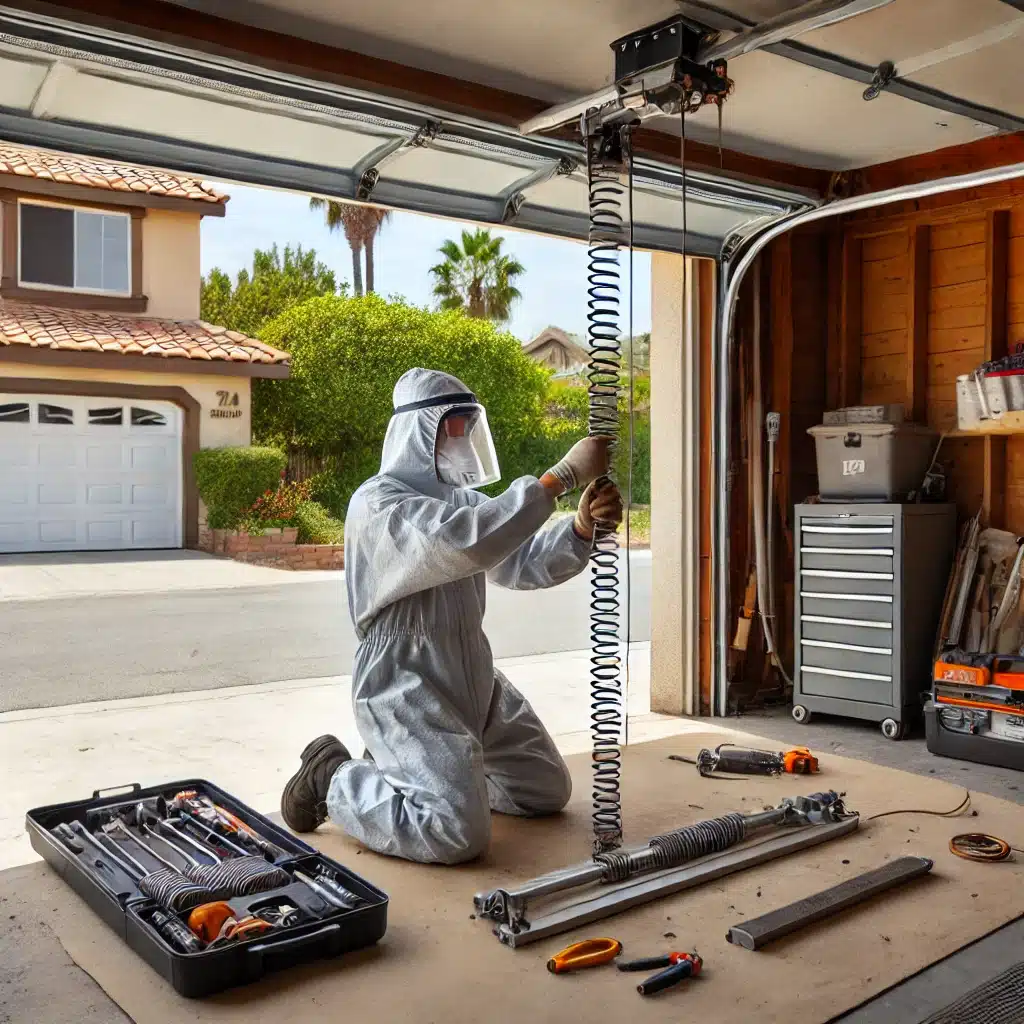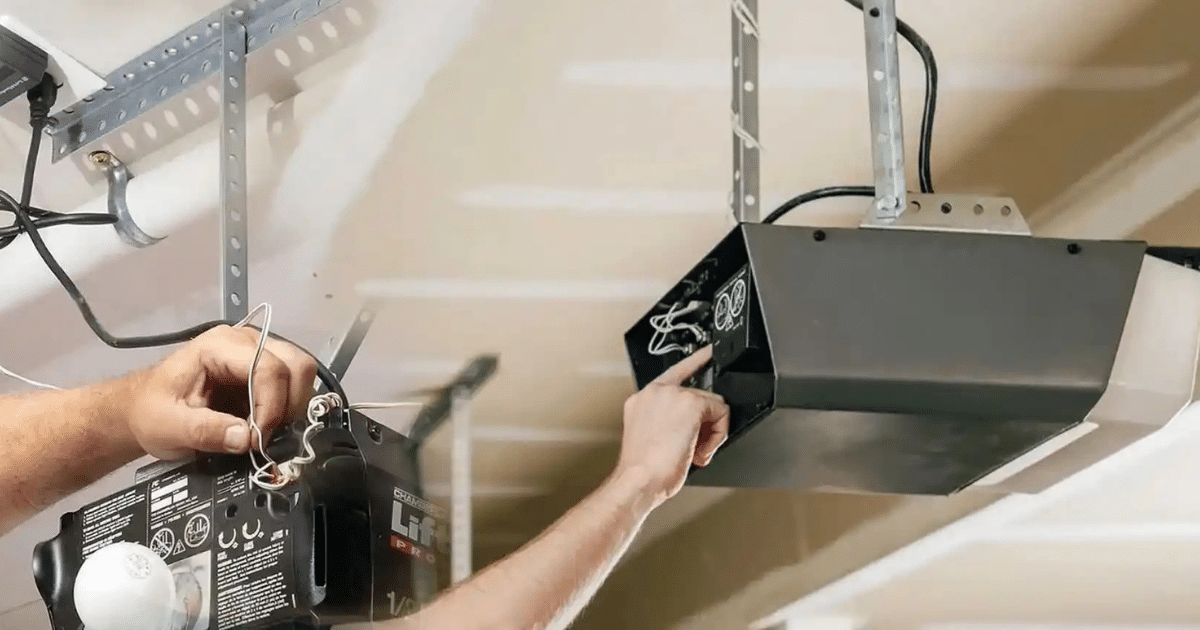


A garage door that is starting to come off track rarely goes from “perfect” to “fully jammed” with no warning. In most cases, the door gives clues first. It may start sounding rough, shake more than normal, close unevenly, or hesitate at one spot. The problem is that many homeowners in Anaheim, CA chalk those signs up to “the door is old” and keep running it, until one day a roller pops out and the door leans hard.
This guide is written like a technician’s safety briefing for garage door off-track risks. You will learn the warning signs that matter, how to separate minor clues from true red flags, and what to do next without stepping into risky repairs.
Quick Answer
The clearest warning signs that a garage door is starting to go off track include leaning, rubbing, scraping, shaking, or pausing in the same spot on every cycle. You may also notice rollers that sit at an odd angle, new scrape lines along the track, track brackets that no longer feel secure, or a door that closes unevenly and leaves a fresh gap on one side. In Anaheim, heat can increase friction and make tight travel worse, while wind-blown dust and debris can cause binding near the lower track area. If a roller is outside the track, a cable is slack, or the track is pulling away from the wall, stop using the door and contact a technician.
If your door is already off track and you need clear next steps, read Garage Door Off Track: Top Causes And Safe Next Steps.
Before You Start: A Quick Safety Note
Garage doors are heavy, and the spring and cable system handles high tension. When a door is not centered in the tracks, weight can shift unpredictably. That is why safety checks matter more than curiosity. Garage door maintenance habits also matter because small wear issues that are ignored can build into off-track problems.
Stop and schedule service right away if:
- The door is leaning or looks twisted
- A roller is visibly outside the track
- A cable looks slack, frayed, or uneven
- The track is bent or pulling away from the wall
- The door is stuck halfway open
- You heard a loud bang, and the door now feels heavy
This checklist is meant for safe observation and decision-making. It will not teach hands-on repairs.
Warning Signs Come In Levels
One reason off-track issues get worse is that homeowners treat every noise the same. The safest way to think about it is in levels.
- Level 1 signs: Early indicators. The door still works, but something is changing.
- Level 2 signs: Strong indicators. The door is unstable and needs service soon.
- Level 3 signs: Red flags. Stop using the door immediately.
Below, you will get a technician-style list you can use to judge what you are seeing.
Level 1 Warning Signs That A Door Is Starting To Drift
These signs do not always mean the door will jump the track today, but they often show up before it does.
New Rattling Or Rumbling That Was Not There Before
Garage door rollers and hinges usually become louder before they fail.
What it can mean:
- Roller bearings wearing
- Hinges loosening
- Track brackets are slowly drifting
- The door is starting to vibrate more than it should
Why it matters:
Vibration loosens hardware further and pushes rollers toward the edge.
A Door That Shakes Or Wobbles During Travel
A small wobble is often the early stage of a roller or track problem.
What it can mean:
- Worn rollers that no longer roll smoothly
- Track spacing drift
- Door sections share ifting at the hinges
Safe check:
Watch the door from inside the garage while it moves. If the door “waves” or shakes, take note of where it happens.
The Door Hesitates In The Same Place Each Time
A repeated hesitation is one of the most useful clues in garage door diagnostics.
What it can mean:
- Debris buildup at a track spot
- A dent or pinch point is forming
- A roller that binds at the curve
- Track alignment is tight at one point
Why it matters:
Repeated tight movement at one point is where rollers are most likely to climb the track edge.
New Scrape Marks On The Track
Shiny new wear marks often mean the door is rubbing.
What it can mean:
- A roller stem is tilted
- The track spacing has changed
- A bracket has shifted
- A section is twisting under load
If you see fresh scrape marks, it is a strong sign that the door is not centered.
The Door Is Starting To Sound “Dry” Or Rough
In Anaheim, heat and dust can make a door sound rougher as friction increases.
What it can mean:
- Rollers wearing
- Hinges loosening
- Track edges care ollecting grit
- The door is starting to bind under normal cycles
If the door is getting louder each week, do not ignore it.
Level 2 Warning Signs That Off-Track Risk Is High
These signals usually mean the door is close to a more serious problem. Service should be scheduled soon.
The Door Closes Unevenly Or Leaves A New Gap
A door that closes unevenly is often lifted unevenly, too.
What it can mean:
- Cable tension imbalance
- Track alignment drift
- Roller trouble on one side
Safe check:
Stand back and look at the bottom seal line. If one side reaches the floor before the other, that is a strong clue.
One Side Of The Door Appears Higher Than The Other While Moving
This “racked” look is a major warning sign.
What it can mean:
- A cable is slipping or not wrapping evenly
- A track has shifted and is forcing one side
- A roller is binding on one side
Why it matters:
A racked door pushes rollers toward the track edge and can pop one out quickly.
Rollers Look Tilted Or Not Centered In The Track
If you can see rollers, they should sit inside the track channel.
What it can mean:
- Worn rollers or bent roller stems
- A bracket that is shifting
- Track spacing changes
If a roller looks like it is riding the edge, the door is at high risk of coming off track.
The Door Jerks At Startup Or During Closing
A jerk often indicates uneven lift or binding.
What it can mean:
- Cable tension imbalance
- Roller binding
- Track pinch point
- Door resistance increasing
A jerky start is often a “last warning” before a roller exits.
The Opener Sounds Like It Is Straining More Than Usual
The opener should sound steady. Strain and vibration are warning signals.
What it can mean:
- Door resistance from track or roller issues
- Door balance problems
- The opener is forcing a tight door
If the opener sounds like it is fighting the door, stop using it until the cause is identified.
Level 3 Red Flags That Mean Stop Right Now
If you see any of these, stop operating the door.
A Roller Is Outside The Track Channel
This is a direct off-track condition.
What to do:
- Stop using the opener
- Keep the area clear
- Schedule service
A Cable Is Slack, Frayed, Or Off The Drum
Cable trouble is high-risk because of tension.
What to do:
- Do not touch the cable
- Do not pull the emergency release
- Schedule service immediately
The Track Is Bent, Split, Or Pulling Away From The Wall
A damaged track cannot safely guide the rollers.
What to do:
- Stop operation
- Avoid moving the door
- Schedule service
The Door Is Stuck Halfway Open And Leaning
A leaning door stuck mid-travel is unstable.
What to do:
- Keep people and vehicles clear
- Do not keep pressing the button
- Call a professional to stabilize it
You Heard A Loud Bang And The Door Now Feels Heavy
This can indicate lift system trouble.
What to do:
- Stop using the opener
- Do not attempt to force the door
- Schedule service
If you want a deeper explanation of why these events happen and the timing patterns that make them more likely, read Why Garage Doors Jump The Track And When It Happens Most.
Safety Checklist You Can Use In Two Minutes
Use this checklist as a quick decision guide.
Is the door leaning or crooked?
- Yes: stop and schedule service
- No: continue checklist
Do you see a roller outside the track?
- Yes: stop and schedule service
- No: continue checklist
Do cables look tight and even on both sides?
- No or unsure: stop and schedule service
- Yes: continue checklist
Is there visible track damage or separation?
- Yes: stop and schedule service
- No: continue checklist
Does the door shake, scrape, or hesitate repeatedly?
- Yes: plan service soon
- No: continue checklist
Did the problem start after wind, heat, or a bump?
- Yes: suspect debris, friction, or track shift
- No: suspect wear or hardware loosening
This checklist does not replace inspection, but it helps you make a safe call without guessing.
Why Anaheim Conditions Can Make Warning Signs More Noticeable
Anaheim garages see a mix of conditions that can amplify early warning signs.
Heat Can Increase Friction
On hot days, a worn roller or a tight track spot can feel worse. Homeowners often say the door is “fine in the morning but rough in the afternoon.” That pattern is common when friction is already elevated.
Dust Builds Up Fast In Many Garages
Dust can settle near hinges, rollers, and track edges. Over time, that can reduce smooth rolling and make a door sound rougher. It also makes it harder for homeowners to see fresh scrape marks because everything looks dirty, which is why paying attention to new noise helps.
DOE’s air sealing guidance is useful background if you want to reduce dust pathways and drafts that can make garages dirtier and less stable.
ENERGY STAR also explains practical sealing steps that can support a cleaner, more controlled garage environment.
Wind Can Push Debris Into Lower Track Areas
The bottom corners are where debris collects. A tiny rock in the track can create enough resistance to make a worn roller climb.
High Daily Cycles Increase Wear
Many Anaheim households run the door frequently. More cycles mean more vibration and more hardware loosening over time.
What Not To Do When You Notice Warning Signs
These mistakes turn a small issue into a larger one.
Do Not Keep Pressing The Button
Repeated operation can bend tracks, worsen roller wear, and strain the opener.
Do Not Force The Door By Hand
A door that is binding can shift suddenly.
Do Not Pull The Emergency Release On A Leaning Door
If the door is not stable, it can move unexpectedly once disconnected from the opener.
Do Not Try To “Bend The Track Back”
Track alignment and spacing need to be corrected precisely. Improper bending can make the roller path worse.
What A Technician Typically Checks After Warning Signs Appear
Once the door is showing warning signs, a technician typically checks:
- Track alignment and spacing
- Track bracket stability
- Roller wear and roller stem condition
- Hinge and bracket fastener integrity
- Cable condition and drum wrap
- Door balance and lift performance
- Opener strain indicators and travel behavior
- Final cycle test for smooth travel and stable closing
This matters because off-track issues are often a system problem, not one single failed part.
If you want to know what happens during a professional off-track repair, read Garage Door Off Track Repair: What To Expect From A Technician.
Tips To Reduce The Chance Of An Off-Track Event
These are practical habits that help prevent a door from progressing from warning signs to a full-on off-track event.
Keep The Track Line Clear
Do not store items close to the tracks where they can tip or fall.
Watch For Changes And Act Early
If you notice new scraping, wobbles, or hesitation, schedule a check before it becomes a jam.
Keep Lower Corners Clear Of Debris
Sweep near the opening and keep grit from collecting in the corners.
Schedule Periodic Tune-Ups
A simple tune-up can catch worn rollers, loose hardware, and track drift early.
Turn Warning Signs Into A Clear Next Step
Warning signs like scraping, shaking, hesitation, or uneven closing are not just annoyances. They are the door’s way of telling you something in the track, roller, or lift system is shifting. Using a safety checklist helps you decide when it is okay to pause and observe and when it is time to stop using the door and call for service to prevent sudden failure.
If your door is showing repeated warning signs or you are unsure whether the situation is safe, G & G Garage Door can inspect the full system and explain exactly what needs attention. Contact us today to restore stable operation and prevent an off-track emergency.
Frequently Asked Questions
Is a shaking garage door always a track problem?
Not always. Shaking can come from worn rollers, loose hinges, or track spacing drift. A technician checks the full roller path to identify the true source.
Why does my door hesitate in the same spot every time?
That pattern often points to a tight spot from debris, a developing dent in the track, or a roller that binds at the curve.
What does it mean if the door closes unevenly?
Uneven closing often signals uneven lift, which can be related to cable tension issues, track drift, or rollers not staying centered.
Can wind-blown debris really cause track trouble?
Yes. Small rocks or debris in the track channel can create resistance. If rollers are already worn, that resistance can push them toward the track edge.
How can I tell if the issue is urgent?
If the door is leaning, you see a roller outside the track, the track is bent or separating, or a cable appears slack, treat it as urgent and stop using the door.
Should I test the door multiple times to confirm the problem?
No. Repeated operation can worsen the issue and damage the opener. One careful observation is enough.
Can the opener cause a door to come off track?
The opener usually does not cause the root issue, but it can worsen it by pulling the Spot garage door off-track warning signs and a quick safety checklist for Anaheim homeowners. Learn red flags, what to stop doing, and safe next steps. binding or uneven door harder than it should.
Is it safe to try to realign the track myself?
Track alignment is precise and can be risky if the door is unstable. It is safer to have a technician correct alignment and confirm cable and roller condition.
What should I do if warning signs come and go?
Intermittent warning signs still matter. They often indicate early wear or slight drift that will eventually become consistent. Scheduling an inspection early prevents a full off-track event.