





It always seems to happen at the worst time. The power goes out, your remote stops working, or you realize you left your keys inside, and the only way in is through the garage. If you have ever found yourself standing in your driveway in Torrance, CA wondering how to open your garage door without power, you are not alone. It is one of the most common calls homeowners make to garage door technicians.
The good news is that most garage doors are designed with a manual override system for exactly these situations. Many also feature a remote keyless entry system with an outdoor keypad as a reliable backup. Knowing how to use it safely and correctly can save you time, money, and a lot of frustration. This guide walks you through every method available so you are prepared no matter what the situation looks like.
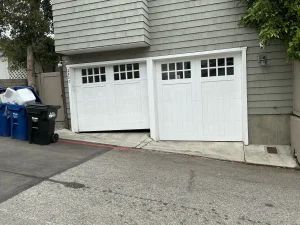
Understand How Your Garage Door Manual Override Works
Before trying to open your garage door manually from outside, it helps to understand what you are actually working with. Most residential garage doors connected to an automatic opener have a built-in emergency release system. This system allows the door to be disconnected from the opener and operated by hand when power or the remote is not available.
Here is how the system is set up:
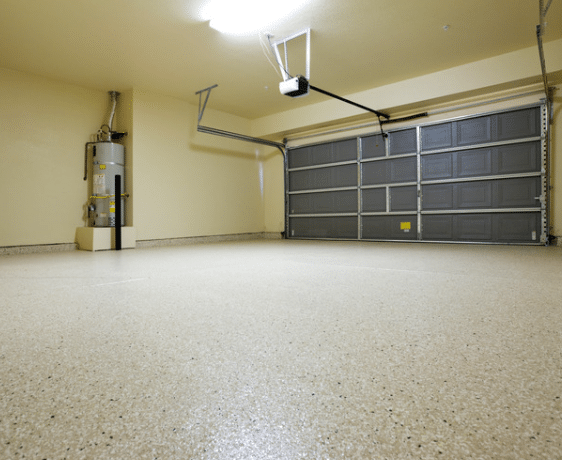
- A red emergency release cord hangs from the opener carriage, which runs along the overhead rail inside the garage
- Pulling this cord disengages a trolley mechanism, separating the door from the opener drive system
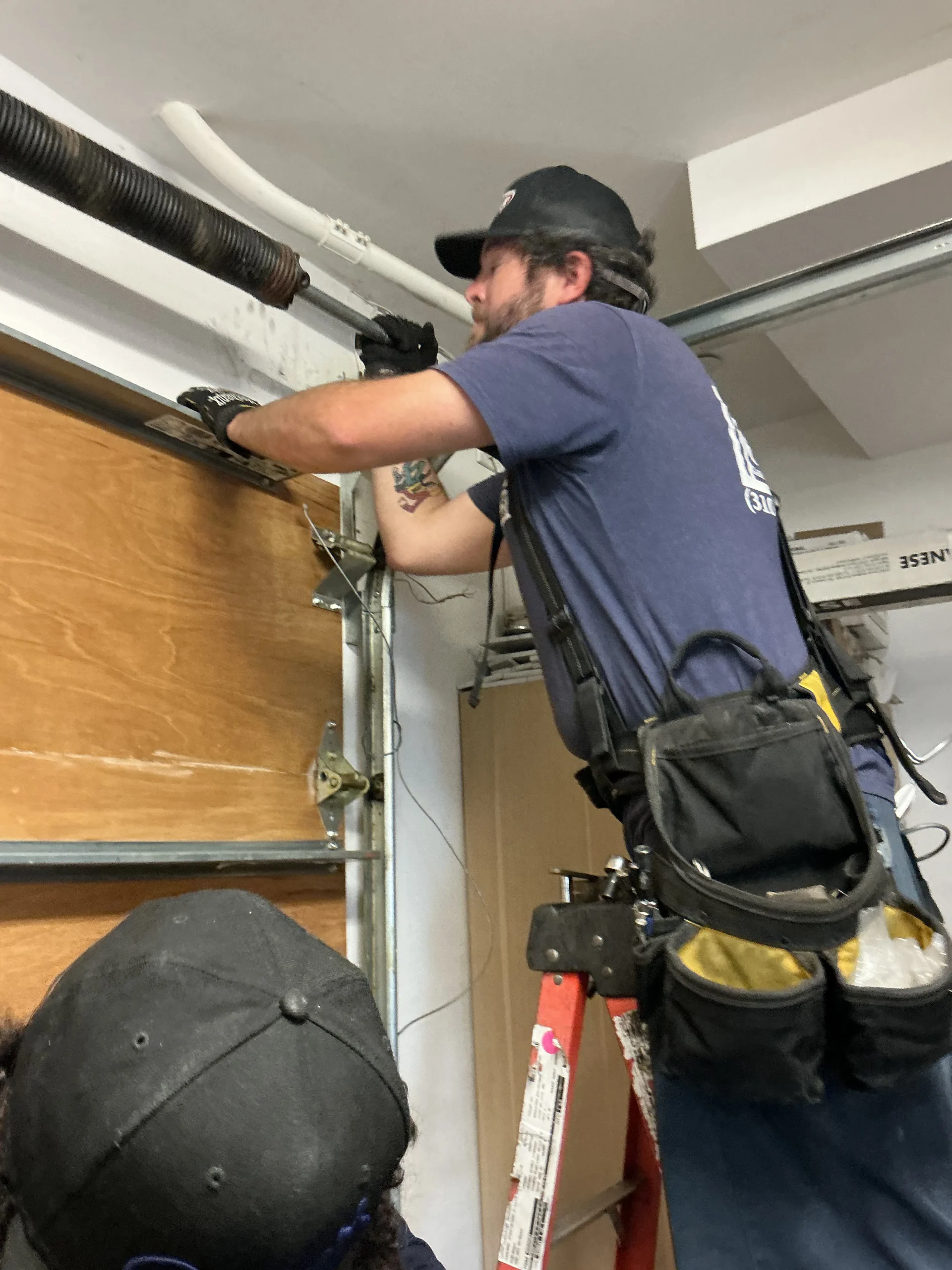
- Once disconnected, the door can be lifted or lowered manually as long as the springs are intact and provide a proper counterbalance
- The door can be reconnected to the opener simply by pulling the cord toward the door or by running the opener once power is restored
The challenge most homeowners face is that this cord is located inside the garage. Accessing it from outside requires a slightly different approach, which the next sections cover in detail.
How to Open a Garage Door from the Outside Using the Emergency Release Kit
Most modern garage doors include an exterior emergency release feature, sometimes called an exterior garage door opener bypass or emergency release kit. This is a small lock cylinder built into the top center of the garage door, on the outside. It is the most reliable and intended method for opening a garage door from the outside without a remote or power.
Here is how to use it:
- Locate the small lock cylinder on the exterior of the door, usually positioned near the top center panel
- Insert the emergency release key that came with your garage door system into the cylinder and turn it
- This releases a cable connected to the emergency release cord inside, disengaging the door from the opener
- Once disengaged, grip the door handle or the bottom of the door firmly and lift it upward along the track
- If the door feels balanced, it should stay open on its own. If it does not, the spring tension may need professional attention
If you do not have the emergency release key, check your original garage door paperwork or contact the manufacturer. Many homeowners misplace this key and only realize it is missing during an actual emergency.
How to Open Your Garage Door Manually from Outside Without a Key
Lost your emergency release key and locked out? This is a situation that requires more care. Knowing how to open a garage door manually from outside without a key is useful, but it is also a method that highlights a potential security vulnerability, which is worth being aware of.
The Wire Hanger Method
- This method works on older or less secure garage doors that have a gap at the top of the door between the door and the frame
- A straightened wire with a small hook at the end is carefully inserted through the gap at the top of the door
- The hook is used to catch and pull the emergency release cord inside the garage, disengaging the trolley
- Once disengaged, the door can be lifted manually from the outside
- This method requires patience and a good angle to reach the cord without causing damage to the door or weather seal
Important Notes on This Method
- Only attempt this on your own property. Using this method on someone else’s garage door is illegal
- If your door does not have a visible gap at the top, do not force one. You risk bending the top panel or damaging the weather seal
- This method works best as a one-time emergency solution. If you find yourself needing it regularly, installing an exterior emergency release kit is a worthwhile upgrade
- Be aware that this vulnerability also means that someone else could potentially use the same method to access your garage. Consider adding a zip tie or shield to the release cord to prevent unauthorized use
How to Open a LiftMaster Garage Door Manually from Outside
LiftMaster is one of the most widely used garage door opener brands in the country, and many homes in Torrance, CA, are equipped with LiftMaster systems. The process for how to open a LiftMaster garage door manually from outside follows the same general principles but has a few brand-specific details worth noting.
- LiftMaster garage door openers are equipped with a standard red emergency release cord inside the garage, attached to the carriage on the rail
- Newer LiftMaster models often include an exterior quick-release lock that uses a standard key for outside access
- Some LiftMaster systems also support battery backup, meaning the door can still operate automatically during a power outage without needing manual override at all. Check your model to see if this feature applies
- If your LiftMaster has a keypad mounted outside, check whether you programmed an access code. A working keypad with battery backup can open the door even when the power is out
- For models without battery backup or an exterior release, the wire method described in the previous section applies as an emergency option
If you are unsure which LiftMaster model you have or whether it includes battery backup, the model number is typically printed on a label on the back or side of the opener unit mounted to the ceiling.
What to Do When the Door Is Too Heavy to Lift Manually
One of the most important things to know about how to open a garage manually is that the process only works safely when the springs are functioning correctly. The springs are what counterbalance the weight of the door. When they are broken or under-tensioned, the door becomes extremely heavy and unsafe to lift by hand.
Here are the signs that a spring issue is making manual operation unsafe:
- The door feels like it weighs hundreds of pounds when you try to lift it, even after disengaging the opener
- The door drops quickly when you try to hold it at waist height, rather than staying in place
- You can see a visible gap or separation in the torsion spring above the door opening
- The cables appear loose, slack, or piled on the floor near the bottom corners of the door
In this situation, do not force the door open. Doing so can cause the door to fall suddenly, damage the track system, or result in injury. This is when emergency garage door repair in Torrance becomes necessary rather than optional.
For a better understanding of what happens when spring tension fails and what a repair visit involves, How Long Does It Take to Fix a Garage Door: Find Out Here gives a clear breakdown of timelines and what homeowners should expect from professional service.
How to Secure Your Garage Door After Opening It Manually
Once you have successfully opened your garage door manually from outside, the job is not completely done. A door that has been disengaged from its opener is no longer secured by the opener’s locking mechanism. That means it can be pushed open from the outside by hand until it is reconnected or manually locked.
Here is how to keep your garage secure after a manual override:
- If you need the door closed while power is still out, lower it manually and use the slide lock or side bolt locks built into many garage doors to secure it from the inside
- Never leave a manually operated door in the open position unattended, as it has no automatic lock holding it in place
- Once power is restored, reconnect the door to the opener by pulling the emergency release cord toward the door until you hear or feel it click back into the trolley, then run the opener once to confirm reconnection
- If the door does not reconnect after power is restored, the trolley or carriage may need adjustment by a technician
- Consider adding a garage door lock bar or slide bolt if your door does not already have a manual locking option built in
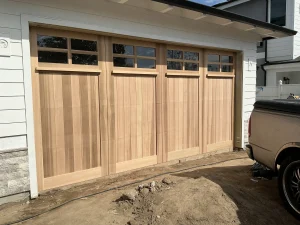
Getting locked out once is enough motivation to make sure it never happens again. These preventive steps are practical and inexpensive compared to the stress and cost of an emergency call:
- Install an exterior keypad: A battery-powered keypad mounted outside the garage gives you code-based access without needing a remote or key. Most modern openers, including LiftMaster models, are compatible with aftermarket keypads
- Keep a spare remote in a secure location: A second remote stored somewhere accessible but secure means a dead battery or misplaced remote does not leave you stranded
- Store the emergency release key somewhere safe: Keep it in your wallet, a lockbox, or another secure and memorable location so it is available when you actually need it
- Upgrade to a smart garage door opener: Smart openers allow you to open and close your garage from your smartphone from anywhere, eliminating most lockout scenarios entirely
- Check your opener’s battery backup: If your opener supports it, keeping a charged backup battery installed ensures the door operates normally during power outages without any manual override needed
- Schedule regular garage door maintenance checks: A technician can inspect the exterior release mechanism, springs, and opener components to make sure everything works correctly before an emergency arises
According to a neighborhood‑crime‑prevention guide on garage safety from the Taraval Station website, installing a wireless keypad is highlighted as an inexpensive and easy‑to‑install upgrade that improves both convenience and garage‑access security while helping prevent lockouts.
When Manual Access Points Lead to a Bigger Problem
Sometimes, needing to open your garage door manually is a one-time inconvenience caused by a power outage or a dead remote battery. Other times, it is a symptom of an underlying issue that deserves attention. Here are the situations where manual access is a warning sign rather than just a workaround:
- The opener runs, but the door does not move, which may indicate a stripped gear, a broken drive belt, or a trolley that has worn out
- The door moves manually but feels rough, sticky, or uneven, which points to track, roller, or spring tension issues
- The exterior release mechanism is damaged, corroded, or missing entirely, leaving you without a proper emergency access method
- The door reconnects to the opener but stops working again shortly after, suggesting an intermittent electrical or mechanical fault
If your door has been getting stuck or behaving inconsistently before the manual access situation arose, that pattern matters. How to Fix a Garage Door That Gets Stuck Halfway: Step-by-Step Guide covers the diagnostic steps for doors that stop mid-travel and what each symptom typically points to.
According to a garage‑door security and emergency‑release protection guide from GD Medics, practical steps such as securing the emergency release from tampering can significantly strengthen overall garage access security while still preserving safe manual operation.
You Should Never Be Locked Out of Your Own Garage
Knowing how to open your garage door without power, without a remote, and from the outside is practical knowledge every homeowner should have. Whether it is a power outage, a misplaced key, or a mechanical failure that leaves your door unresponsive, the right steps make all the difference between a minor inconvenience and a stressful emergency. Taking a few preventive measures now means you are never caught off guard when the situation arises.
When the issue goes beyond a simple manual override and your door needs professional attention, G&G Garage Door is here to help. Serving homeowners throughout Torrance, CA, and the surrounding South Bay area, their team handles everything from emergency garage door repair to full system inspections quickly and reliably. Do not wait until a small problem turns into a bigger one. Contact us today or give us a call to schedule your service.